

The Test CutThe Test Cut
Builds
Tools
Cutting Board DesignerFinish SimulatorGridfinity BuilderBoard Foot CalculatorWood Movement EstimatorAll tools
Wiki
Gear
Shopping guideWhat to buy, stage by stageMy shopWhat I actually own and useBooks, channels & printablesWhere I learn, and what I print
Merch

Hand Tools

What each hand tool is for and how it's used.
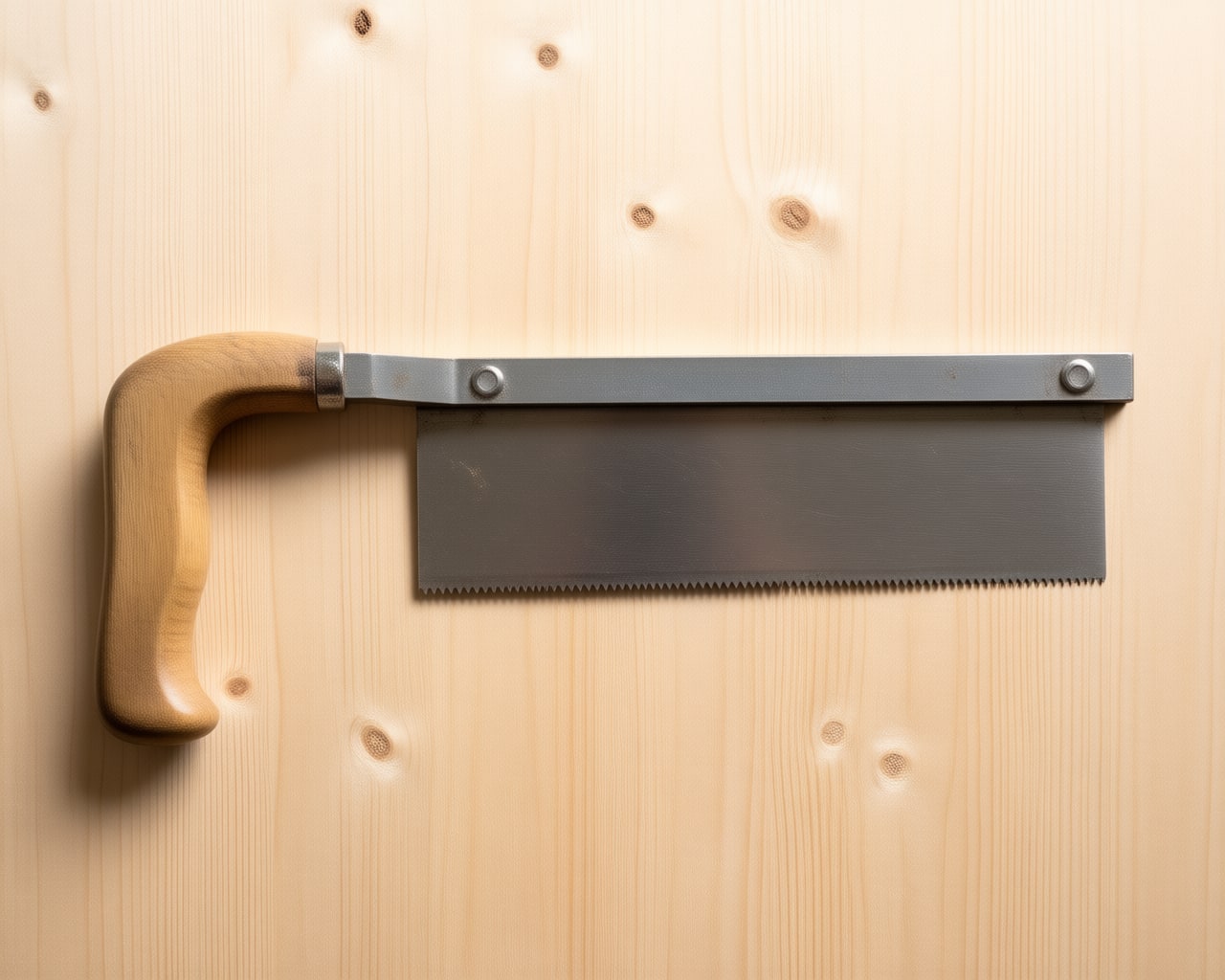
A backsaw. The heavy spine folded over the top edge is the whole point: it stiffens a thin, fine-toothed blade that would otherwise flex and wander off the line.
Backsaw
A stiffened-spine saw for precise, straight joinery cuts -- the reinforcement that keeps a thin, fine-toothed blade from wandering the way an unsupported blade would.
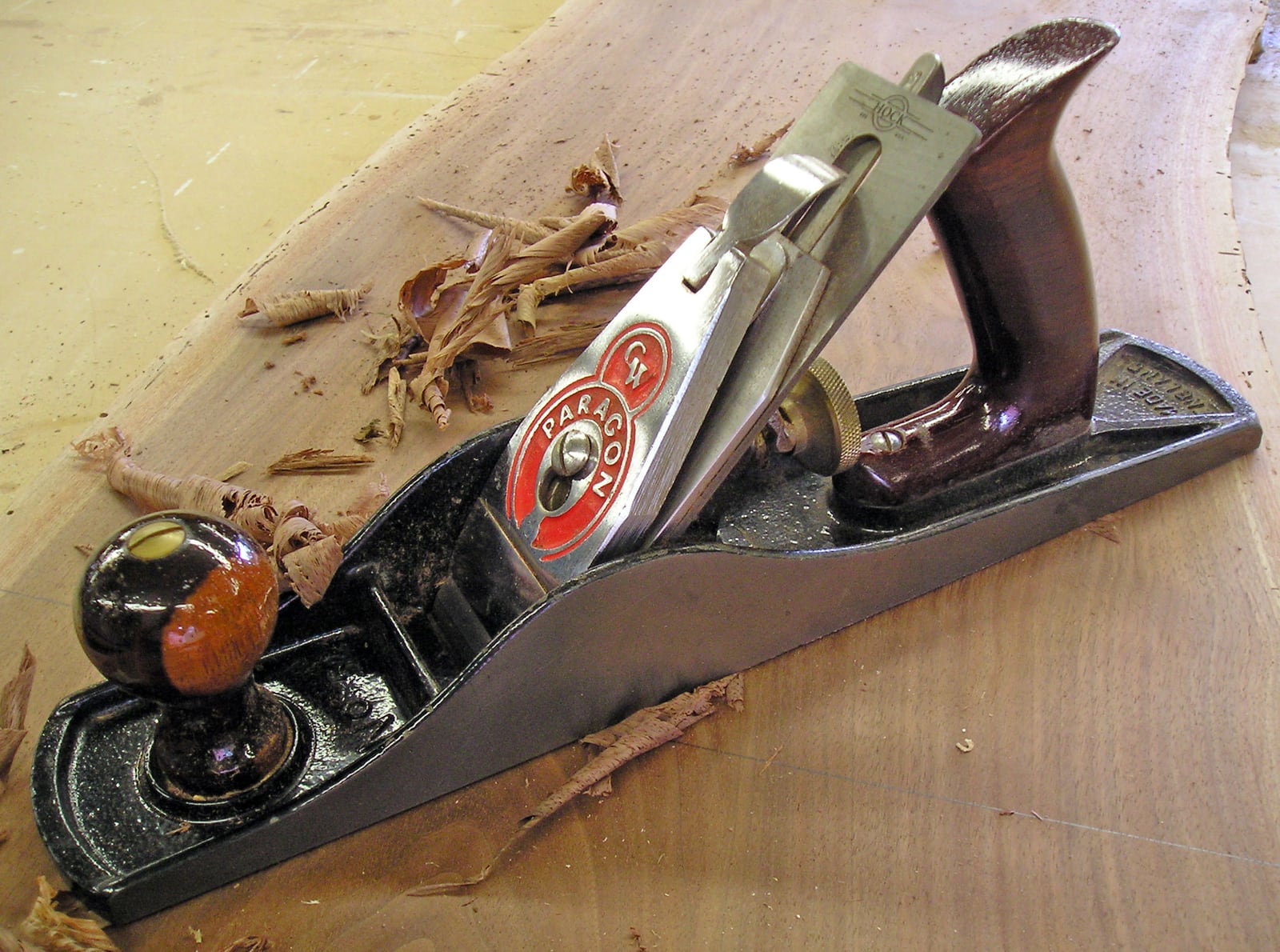
A Bailey-type No. 5 jack plane
Bench Plane
The tool on our own logo, for good reason -- shaving thin, controlled curls off a board is about as close as woodworking gets to a defining skill.
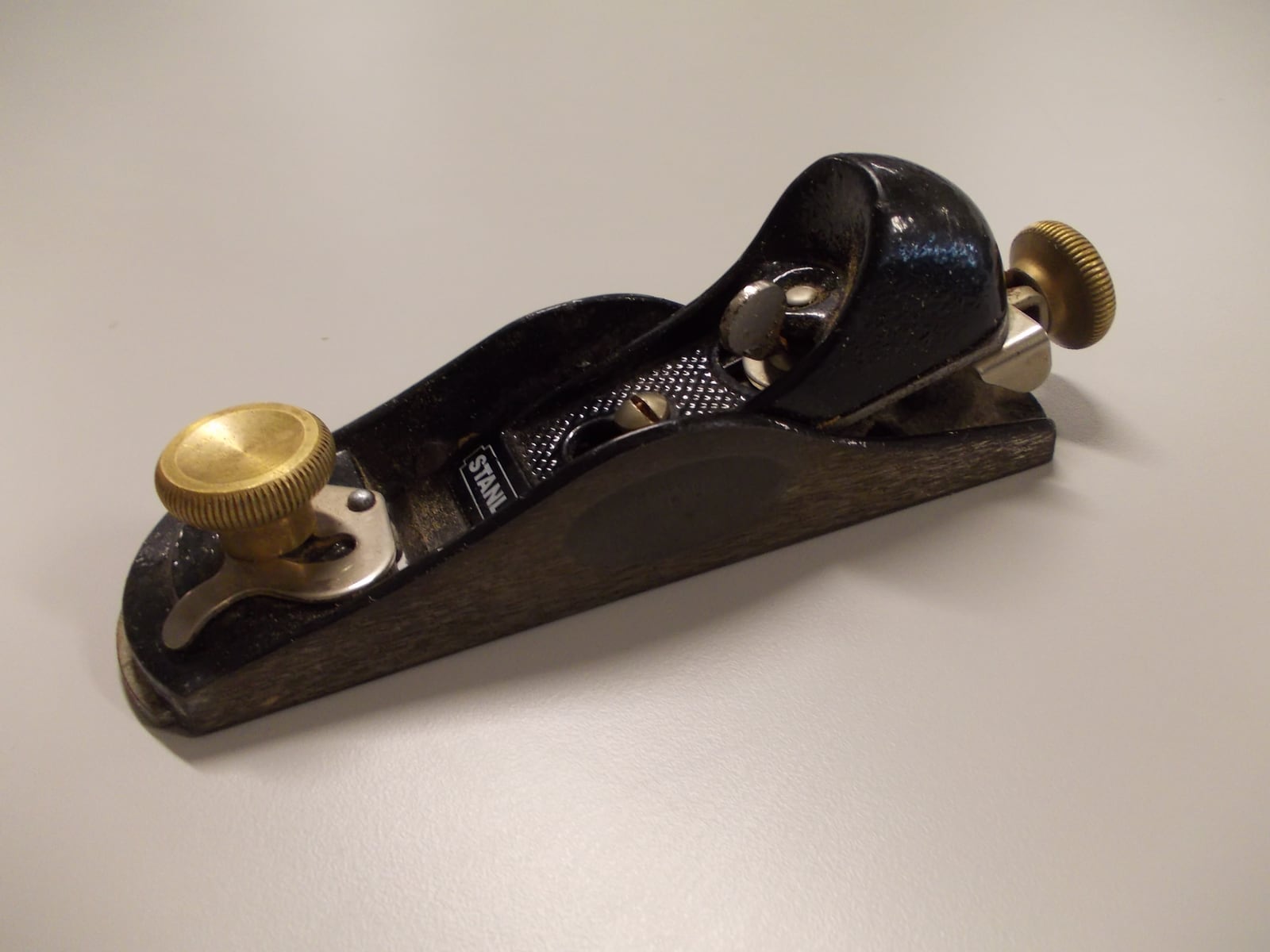
A block plane. Low-angle blade, bedded bevel up, small enough for one hand -- the plane most people reach for to break an edge or trim end grain.
Block Plane
A small, one-handed plane with its blade set bevel-up at a low angle -- built for end grain, and the plane most non-woodworkers actually own.
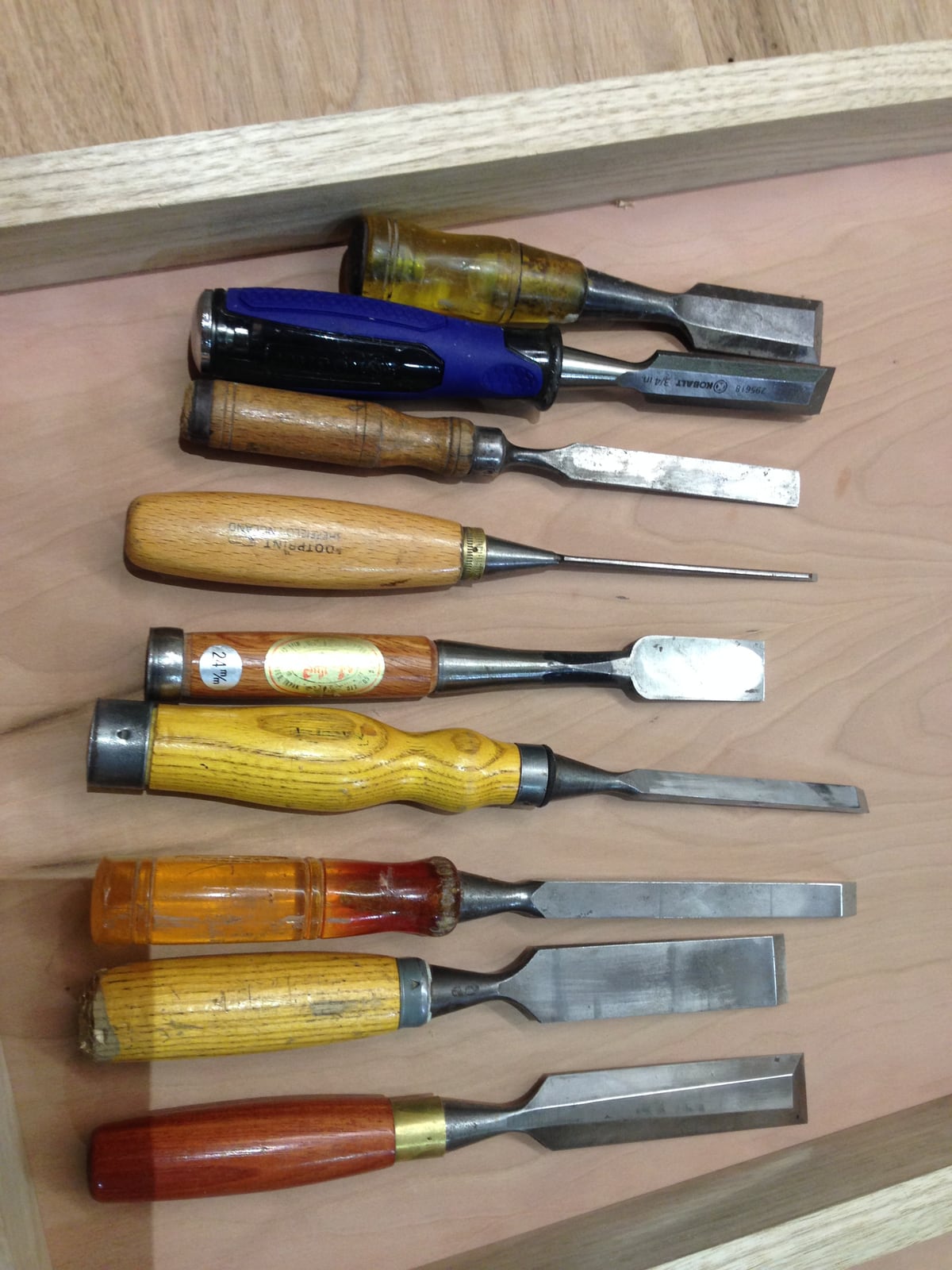
A set of bench chisels in ascending width. Which one you reach for is usually decided by the joint, not by preference.
Chisel
A flat, beveled blade for carving, paring, or chopping wood -- simple as tools get, and unforgiving the moment it's dull.
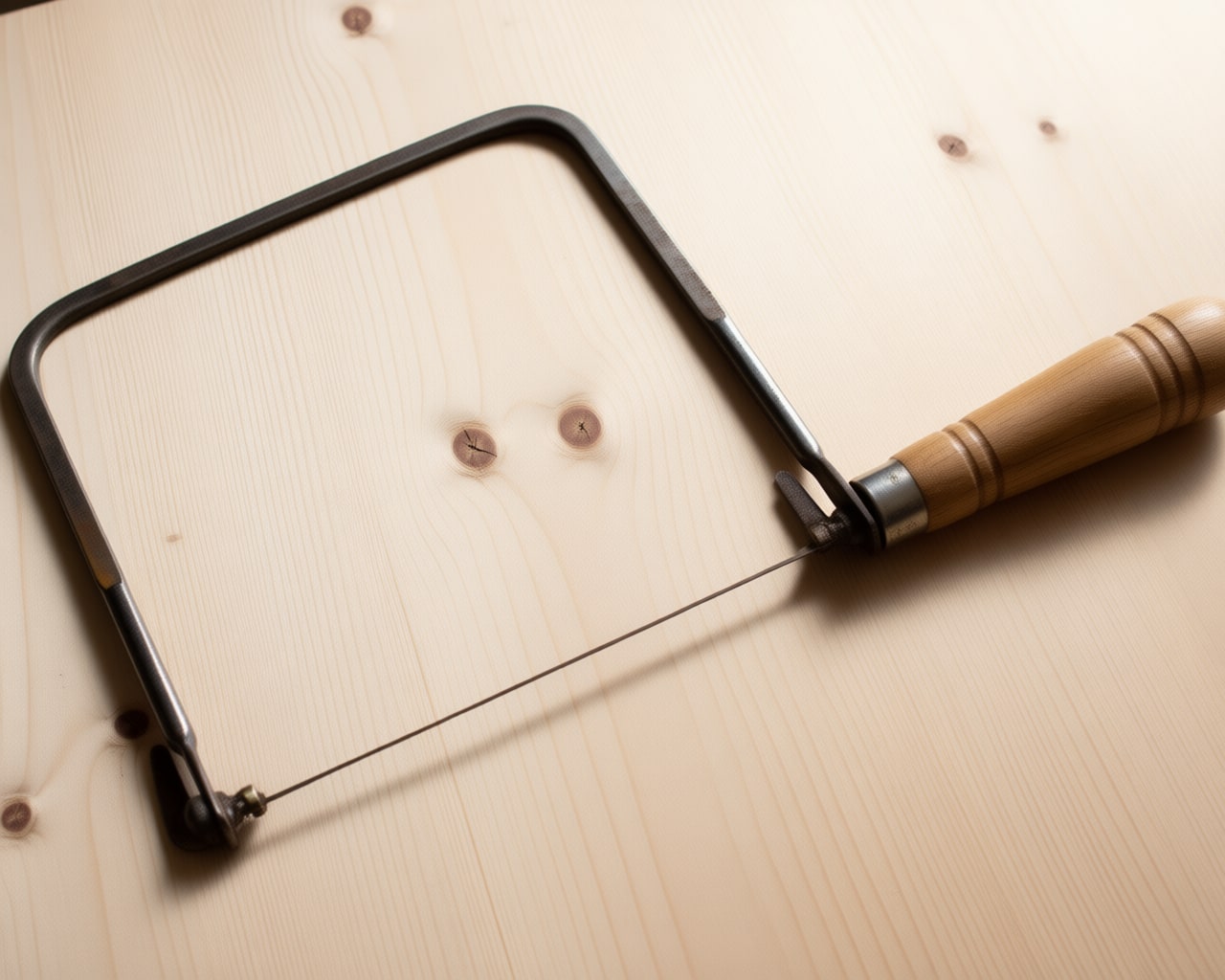
A coping saw -- the deep spring-steel frame is what gives it the reach to cut well inside the edge of a board, and the thin blade tensioned across it is what lets it turn a tight curve.
Coping Saw
A thin, replaceable blade held in tension across a deep frame -- built to follow tight curves a bandsaw's throat can't reach or a jigsaw can't cut as cleanly.
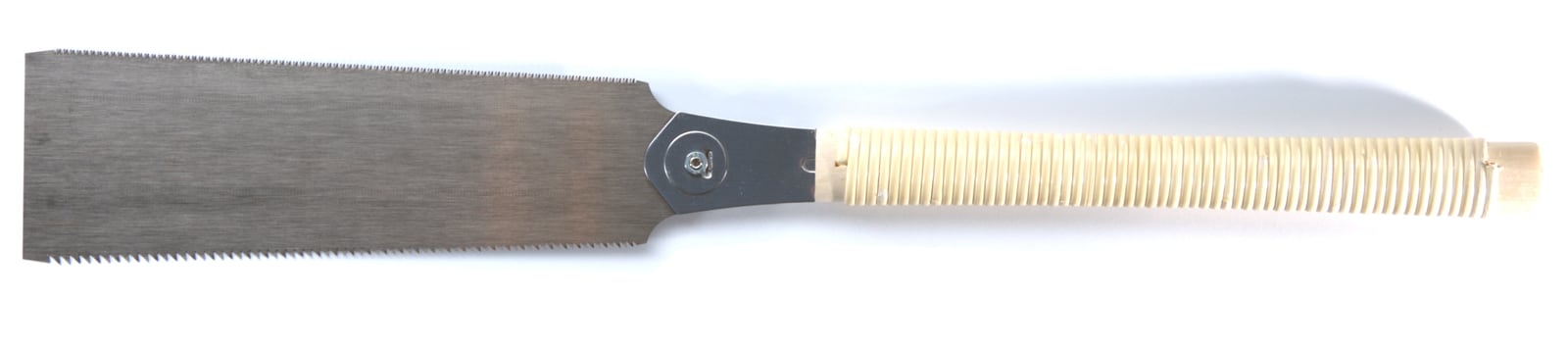
A Japanese ryoba saw, with rip teeth on one edge and crosscut teeth on the other
Japanese Pull Saw
Cuts on the pull stroke instead of the push -- a thinner blade under tension rather than compression, which is why it cuts thinner, straighter, and with less effort than a Western saw.
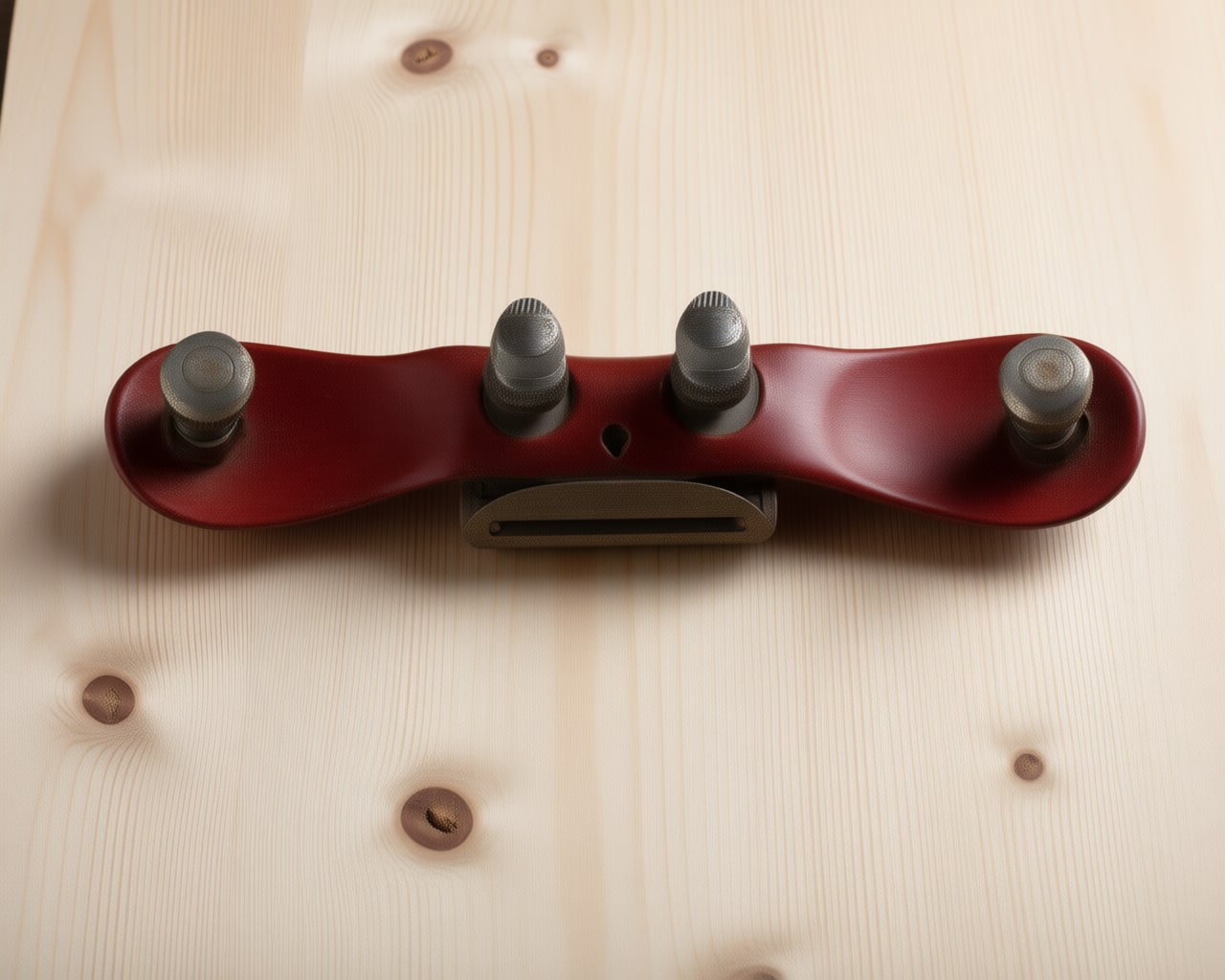
Router Plane
A flat-soled plane that trims a recess to one exact, consistent depth -- the hand-tool answer to a router for hinge mortises, inlay recesses, and tenon shoulders.
A spokeshave -- a very short plane sole between two wing handles, so it can follow a curve a full-length bench plane would bridge straight over.
Spokeshave
A short-soled plane with a handle on each side -- pulled or pushed to shape curves and tapers a full-length bench plane physically can't follow.
Preferences
AboutPrivacy PolicyTerms of Service

© 2026 The Test Cut.