

Shopping Guide
What to actually buy, roughly in the order most shops grow into it. Nobody needs everything on this page. A truly alarming amount of very good furniture has been built by people who owned about six of these things and a lot of patience.
How to read this
Every tool gets up to four picks. Where a tool genuinely doesn't have four honest answers, it gets fewer — a carpenter's pencil does not have a mid-range, and pretending otherwise would just be padding.
- Budget
- Gets you making sawdust this weekend. It will not be the last one you own, and that is completely fine — a cheap tool you actually use beats a perfect one you are still saving for.
- Solid Choice
- The one most people should actually buy. Good enough that you stop thinking about the tool and start thinking about the work, which is the entire point of owning tools.
- Buy Once, Cry Once
- Hurts once, then never again. This is Sam Vimes' Boots Theory with a dust port: the expensive one that lasts twenty years is genuinely cheaper than three cheap ones that don't.
- Money Is Fake
- Absolutely unnecessary. Frequently gorgeous. This is the tier where a pencil is machined from solid brass and someone says "but it develops a patina" with a completely straight face. We are not here to judge. We are here to enable.
Disclosure: We're not an Amazon Associate or affiliate of any retailer linked below, and we don't earn a commission from these links. They're shared because they're genuinely good deals or tools we'd use ourselves, full stop.
Getting Started
The first real tools, in roughly the order most people actually reach for them. Nothing here requires 220V or a dedicated room.
Right now the enemy is not skill, it is geometry. Nothing you own is flat, nothing is square, and the lumber pile does not care about your feelings. Almost every beginner problem — gaps in joints, wobbling tables, doors that will not close — traces back to a reference surface that was never actually straight.
What you will build here: cutting boards, floating shelves, a workbench to build everything else on, simple boxes, planters. All genuinely worth making, and all forgiving of the mistakes you are absolutely going to make.
The one decision that saves real money: pick a battery platform and stay married to it. Cordless is worth it for nearly everything at this stage, but the batteries and charger are most of what you are paying for — not the tool. Once you commit to DeWalt 20V, Milwaukee M18, Makita LXT or Ryobi ONE+, every tool after that can be bought bare for dramatically less. Choose before your second cordless tool, not your fifth, because switching later means re-buying an entire battery collection you already own.
This list owes a lot to 731 Woodworks' beginner tool video -- it's what got this shop started, and it's still the most level-headed hour on the subject.
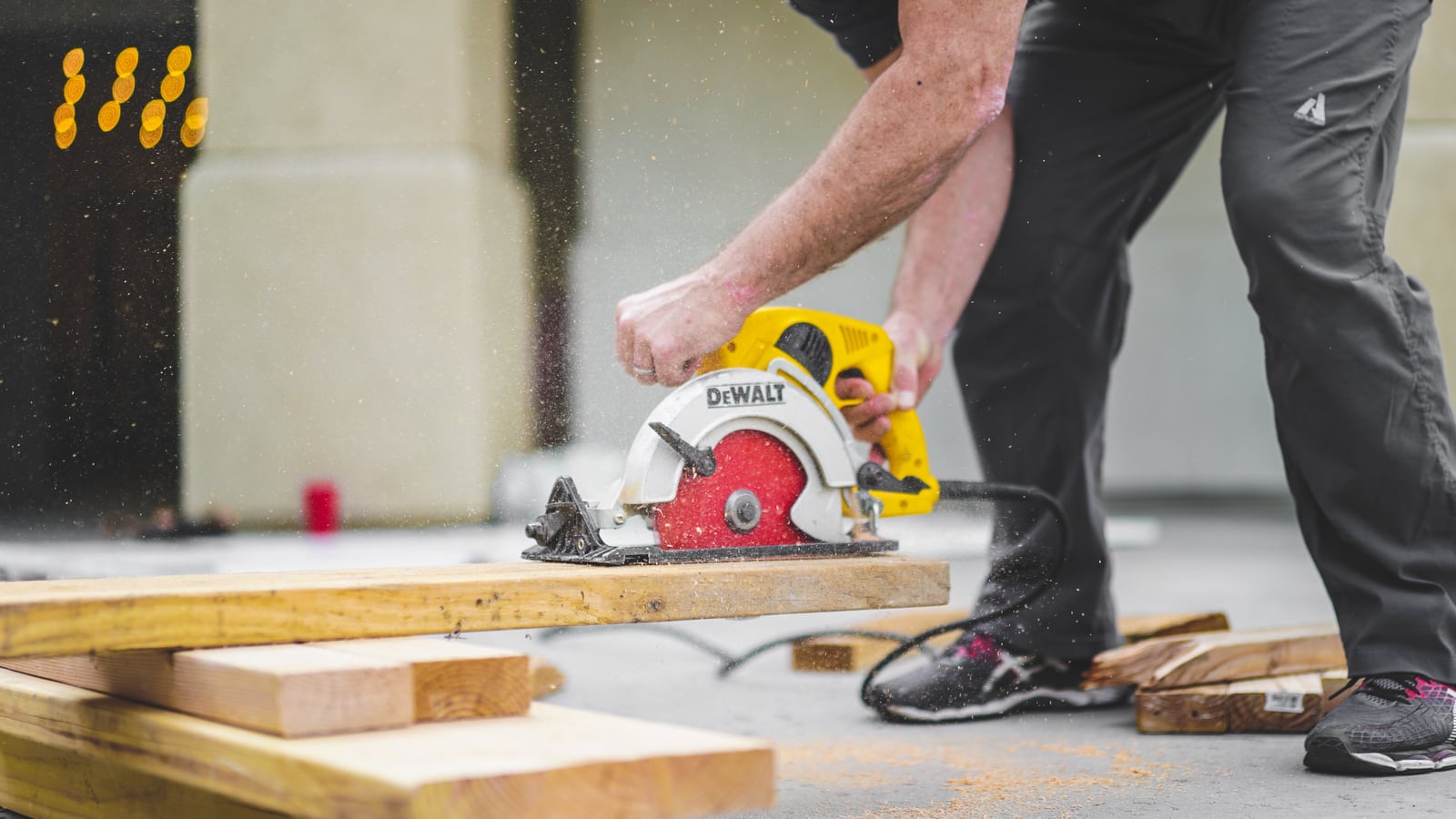
Circular Saw
Turns a 4x8 sheet you cannot lift onto a table into parts you can carry. This is the tool that converts "a pile of lumber in the car" into "components."
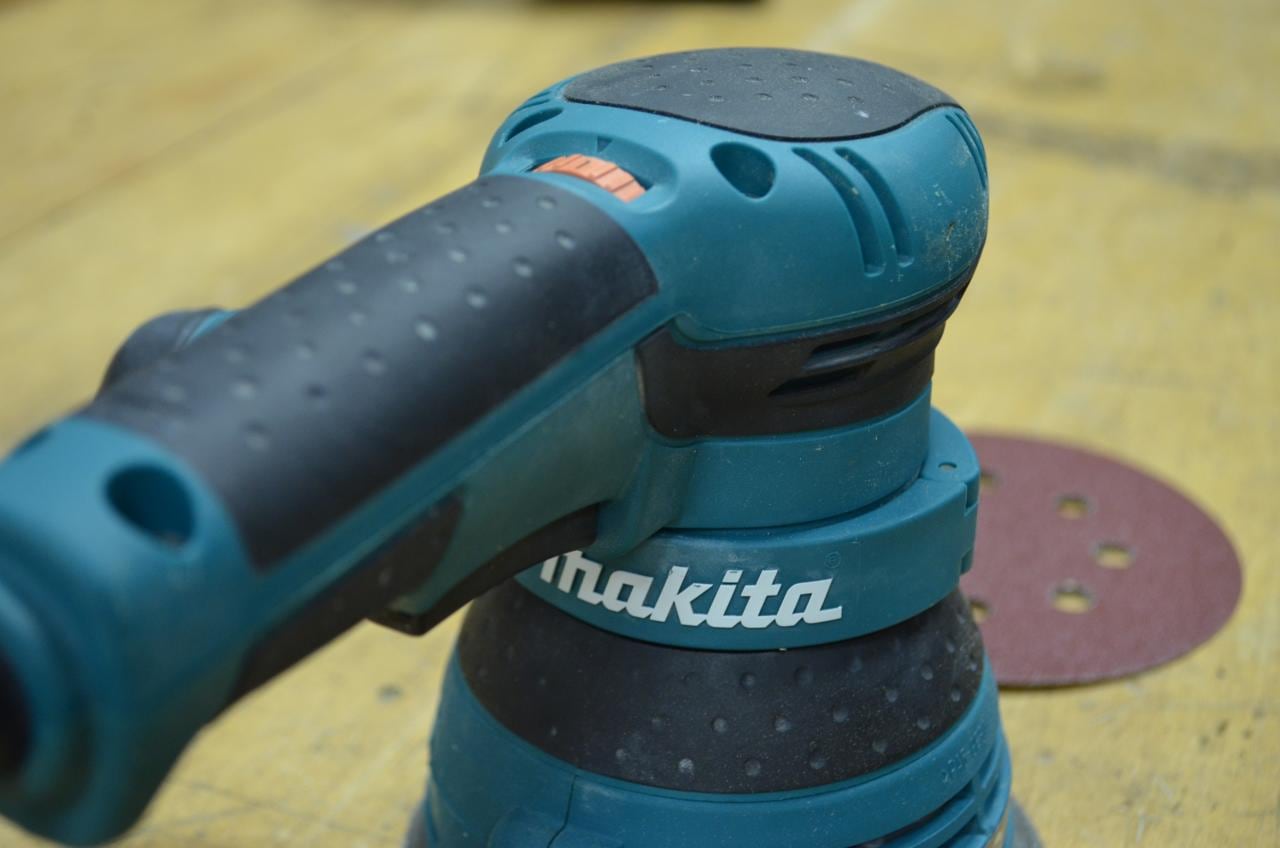
Random Orbital Sander
The gap between "I made this" and "wait, *you* made this?" is almost entirely surface prep. Nothing else at this stage improves the finished look this much per dollar.
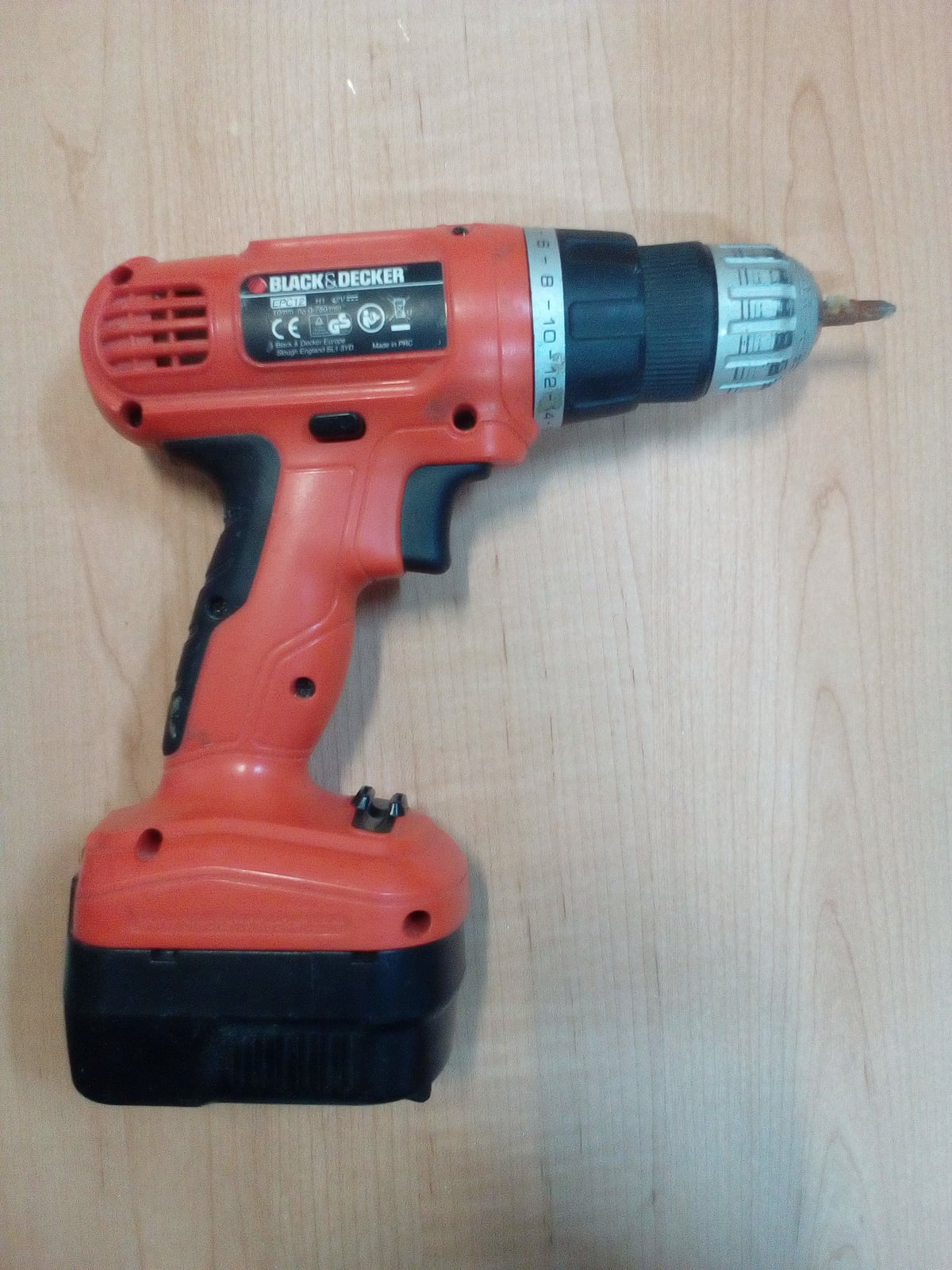
Drill/Driver
Holes and fasteners, which is most of early woodworking. Also the tool that starts your battery platform, so this one purchase quietly decides your next five.
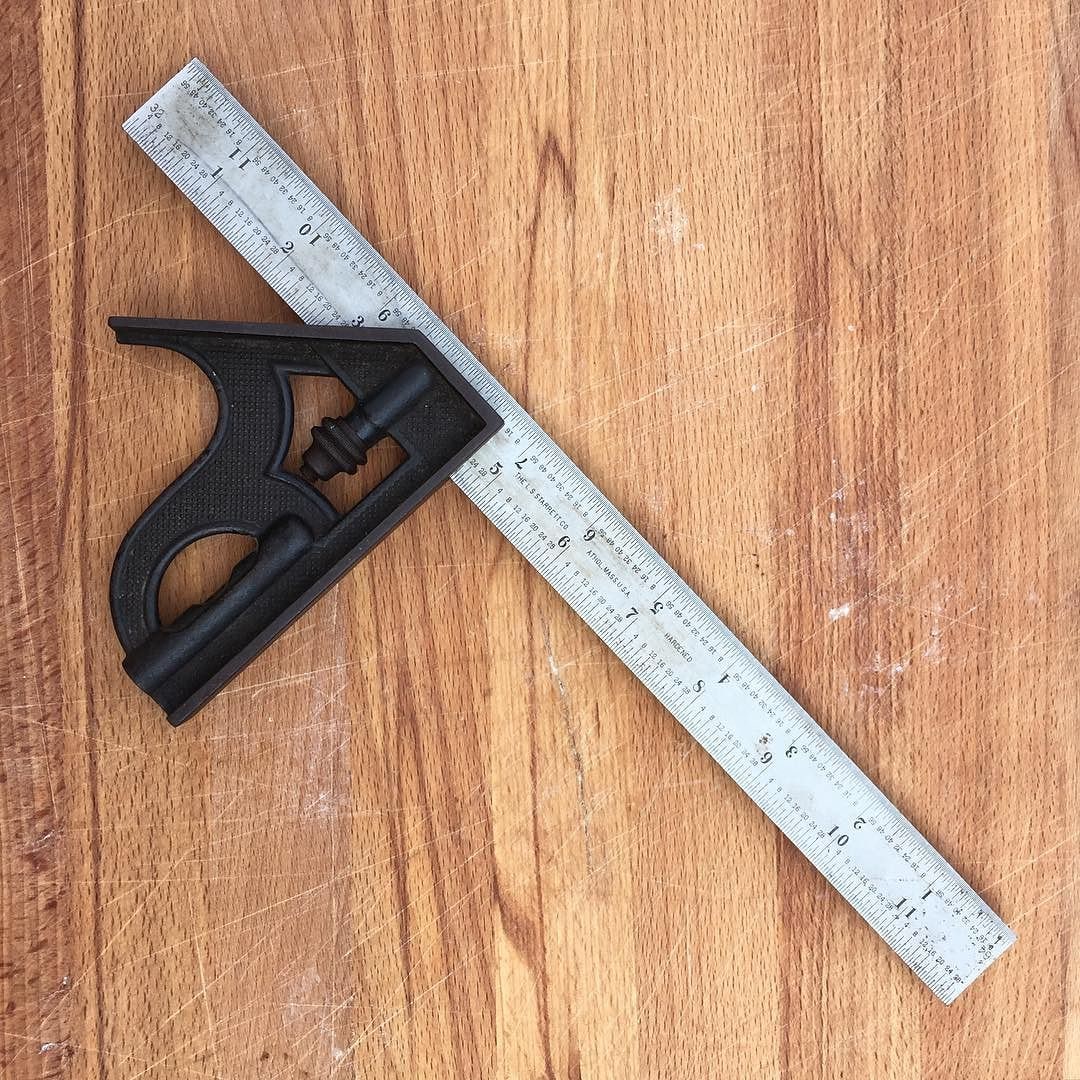
Combination Square
Every mistake downstream starts with a layout line that was slightly off. The first tool where paying more buys real accuracy rather than convenience.
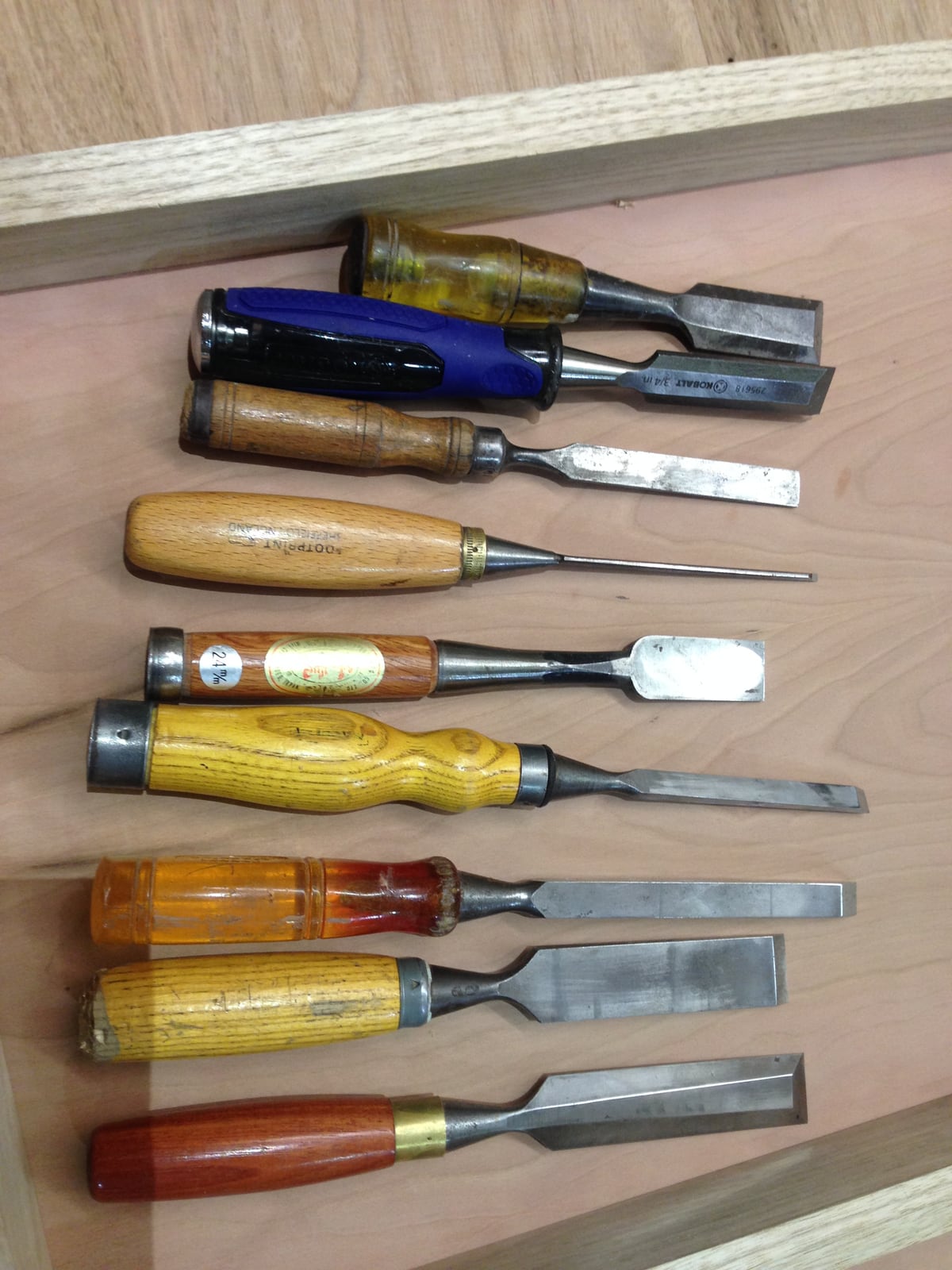
Chisel Set
Cleaning up what the machines could not reach: corners, hinge mortises, that one proud spot mocking you. Cheap chisels sharpen fine — they just will not stay sharp.
Getting Serious
Stationary and near-stationary tools -- the point where a hobby starts asking for its own corner of the garage.
The question changes from "can I cut this straight" to "can I cut this straight forty times in a row." Repeatability is the whole game now: fences, stops, jigs, and machines that hold a setting instead of quietly drifting halfway through a batch of drawer parts.
This is also where you stop paying a premium for pre-surfaced boards and start milling rough lumber yourself — cheaper per board foot, thicknesses nobody sells, and an immediate education in how much sawdust a planer produces in ninety seconds.
Considerations: dust collection stops being optional around here, and both your lungs and your marriage will file complaints if you pretend otherwise. Floor space becomes the real constraint, so put everything on mobile bases. And check whether a machine needs a 220V circuit before you buy it, rather than while it sits in your driveway looking disappointed.
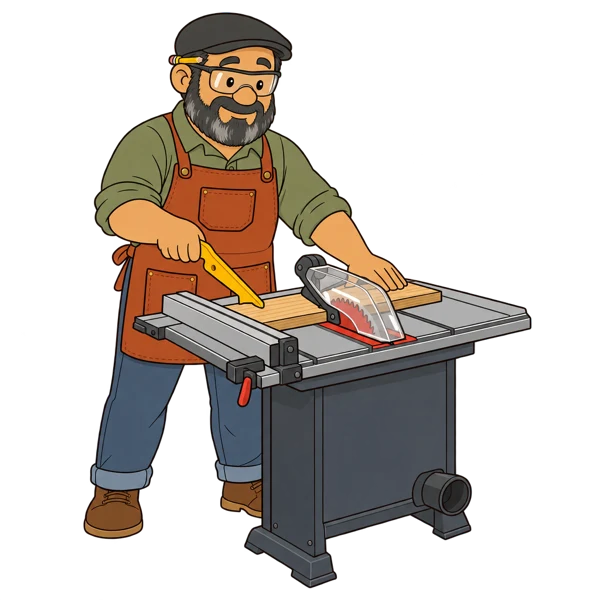
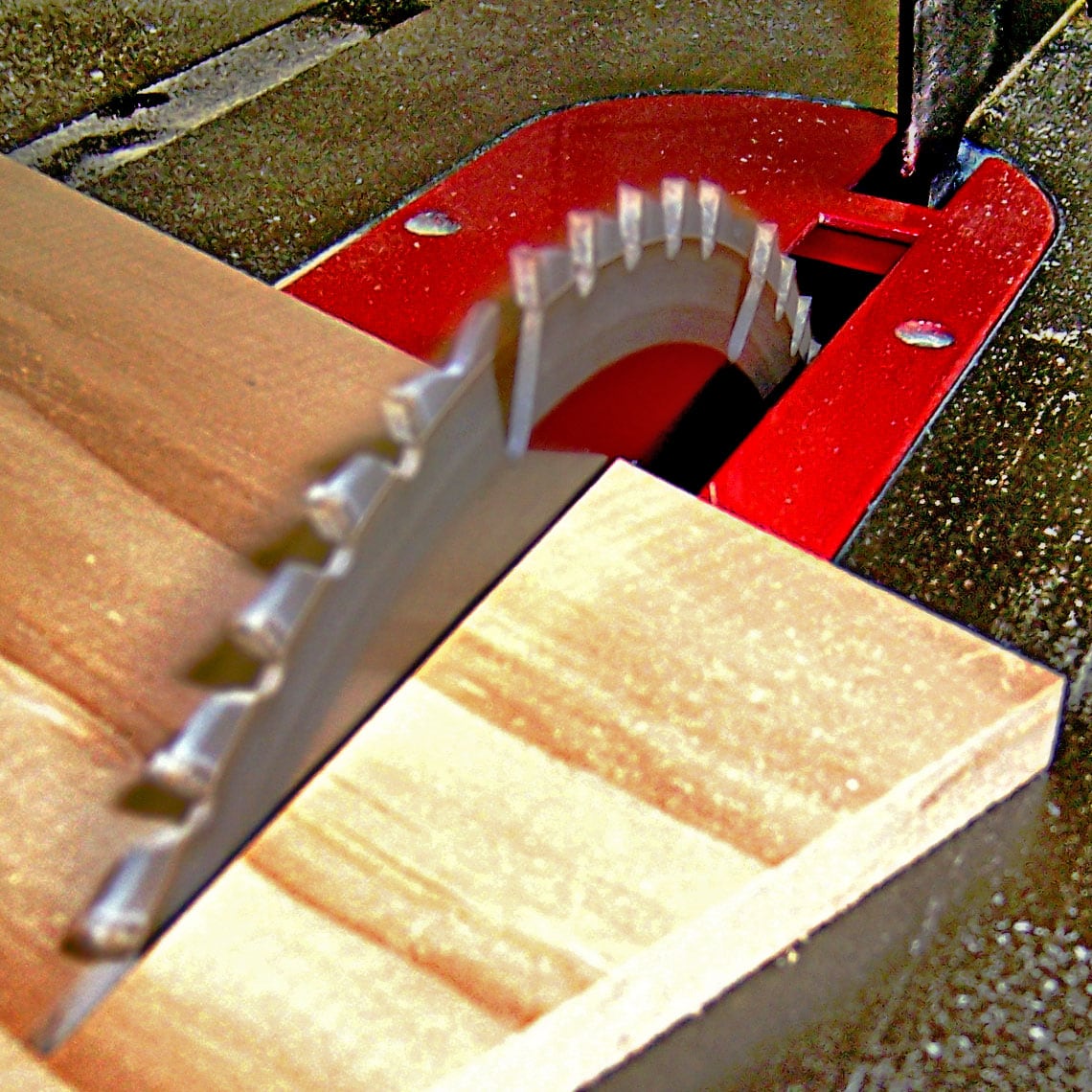
Table Saw
Repeatable, dead-parallel rip cuts, which is what turns rough boards into matching parts. Most shops physically organize themselves around this machine.
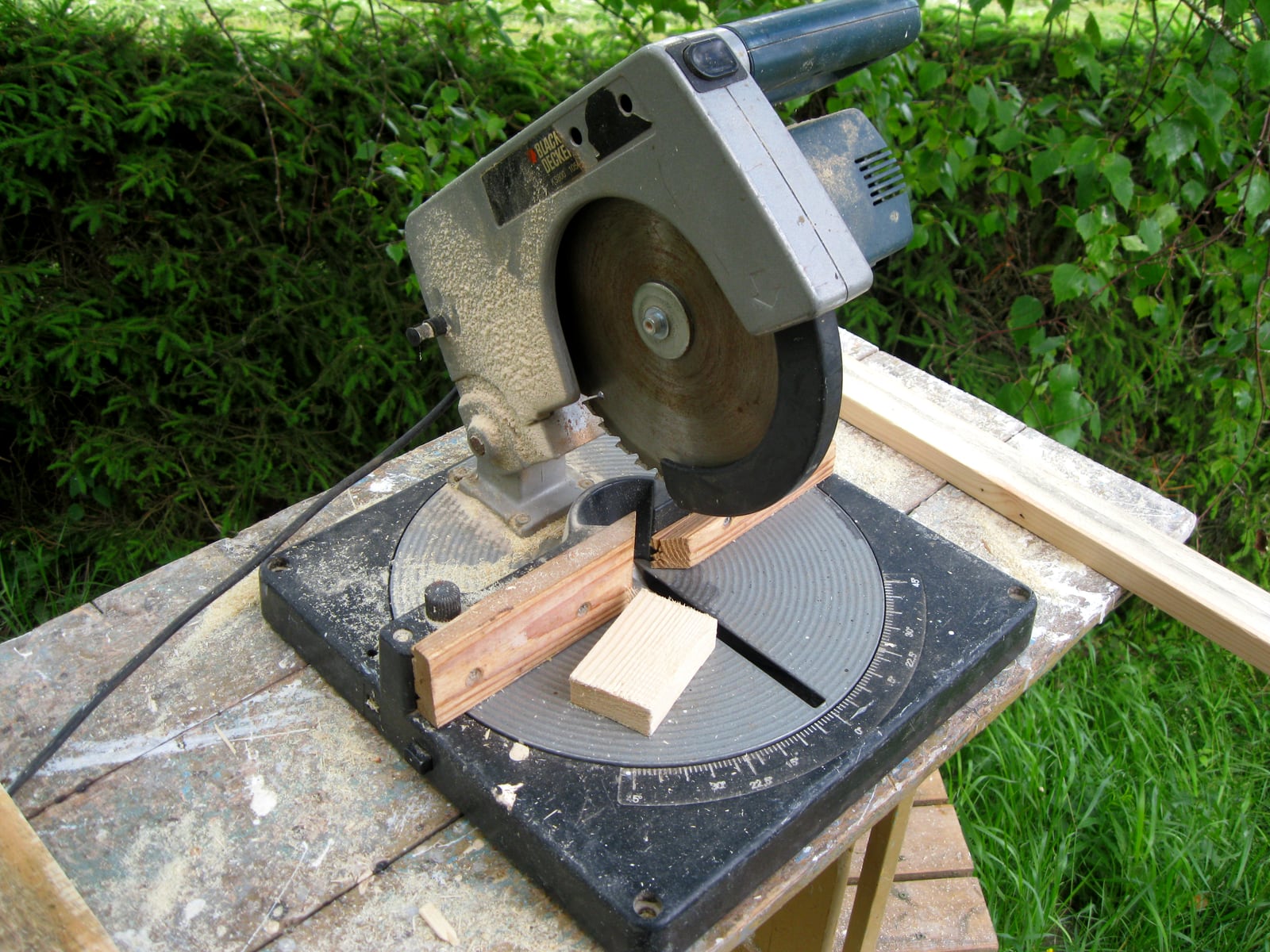
Miter Saw
Fast, repeatable crosscuts to length with a stop block. Ask anyone who has tried to crosscut eight-foot trim on a table saw why this tool exists.
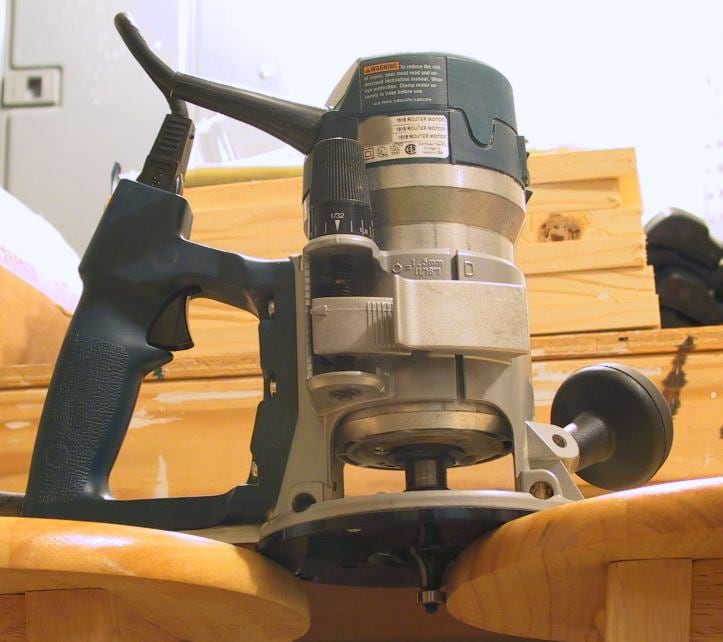
Router (+ starter table)
The most versatile tool in the shop — edge profiles, dados, hinge mortises, template work and real joinery all come out of one machine and a drawer of bits.
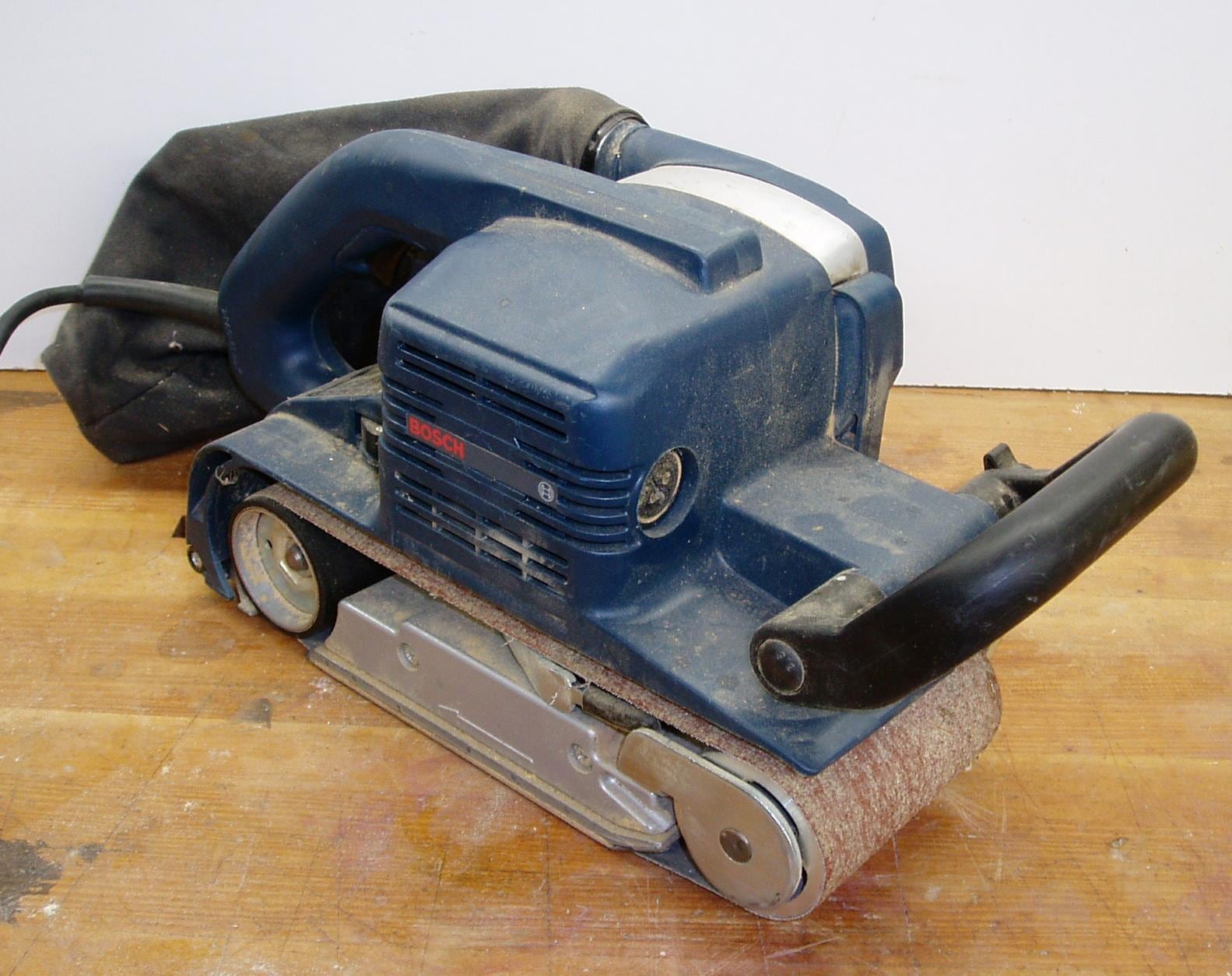
Belt Sander
Aggressive flattening and stock removal in a hurry. Not a finishing tool, a shaping tool that happens to use sandpaper. Treat it with suspicion near anything delicate.
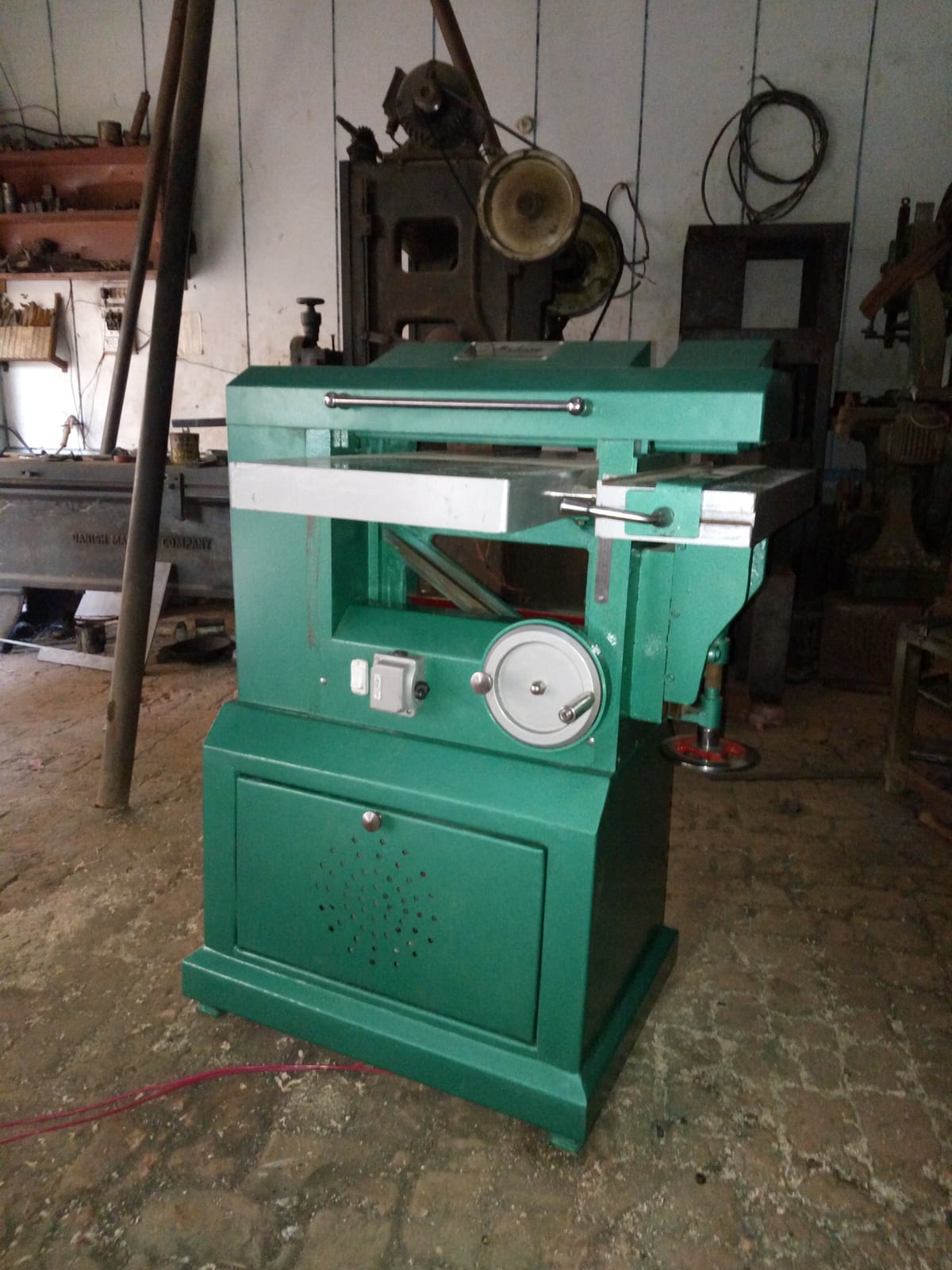
Thickness Planer
Consistent thickness across every part, which is what lets a cabinet actually go together. Also unlocks buying rough lumber at a fraction of surfaced prices.
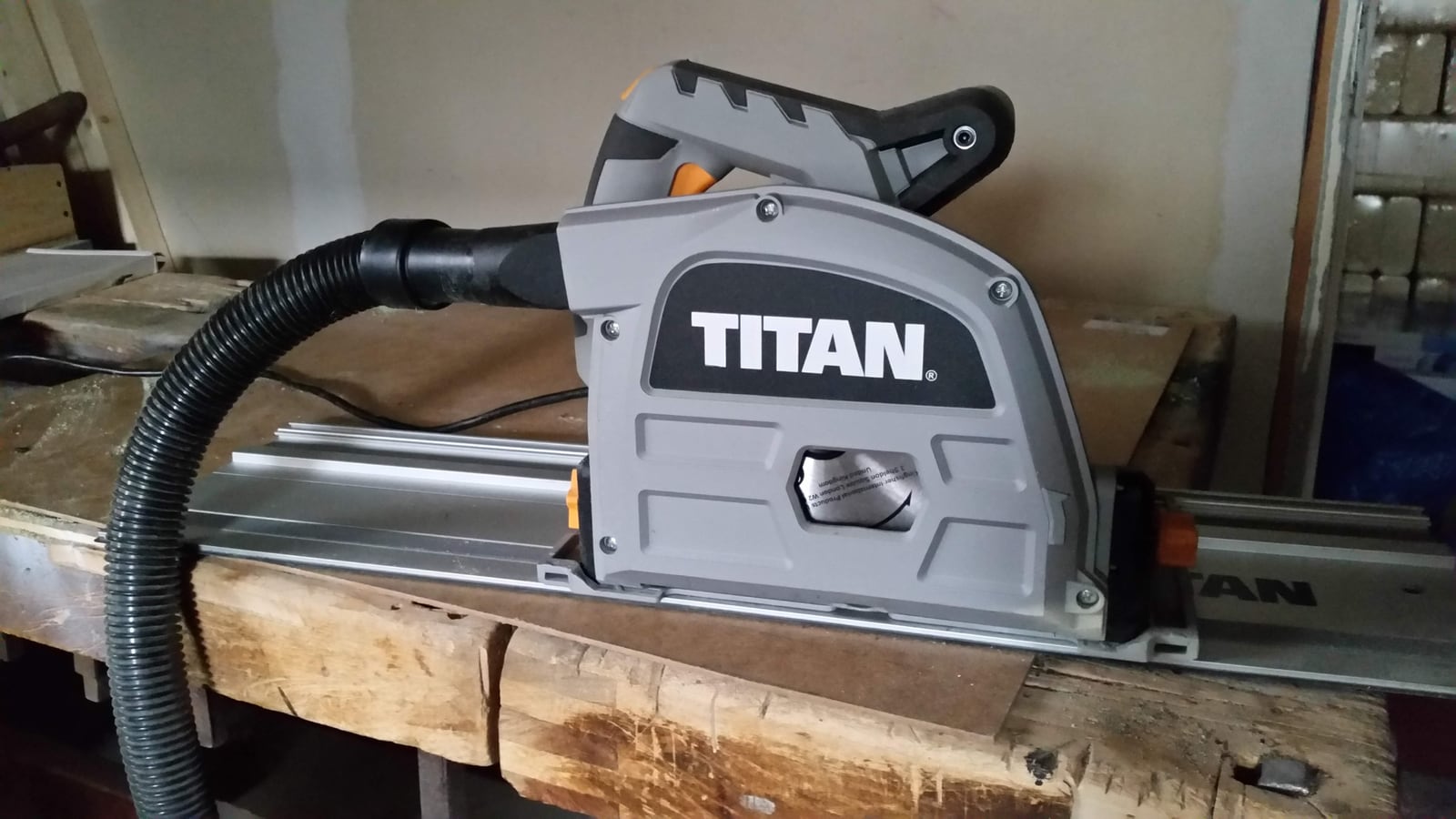
Track Saw
Table-saw-accurate cuts on a sheet too big to safely wrestle across a table saw. In small shops doing plywood casework, this often becomes the primary breakdown tool.
Taking Over the Two-Car Garage
The tools that mean the car isn't coming back in. This is a real financial and spatial commitment, not an impulse buy -- most people build up to this tier one machine at a time.
The car is not coming back in. Everyone involved has quietly accepted this. The constraints are now electrical, structural and logistical: dedicated circuits, floor loading, and whether a 600-pound machine can physically fit through the door you actually have.
Work at this stage tends to be commissions, a full kitchen worth of casework, or production runs of the same piece — the kind of job where setup time spread across many parts is what justifies the machine.
Considerations: seriously look at used industrial iron. A 1970s American-made jointer at half the price of a new import will often outperform it and outlive you, provided you can move it and nobody has abused it. Check single-phase versus three-phase before falling in love with a listing — a VFD can bridge that gap, but it is a project of its own.
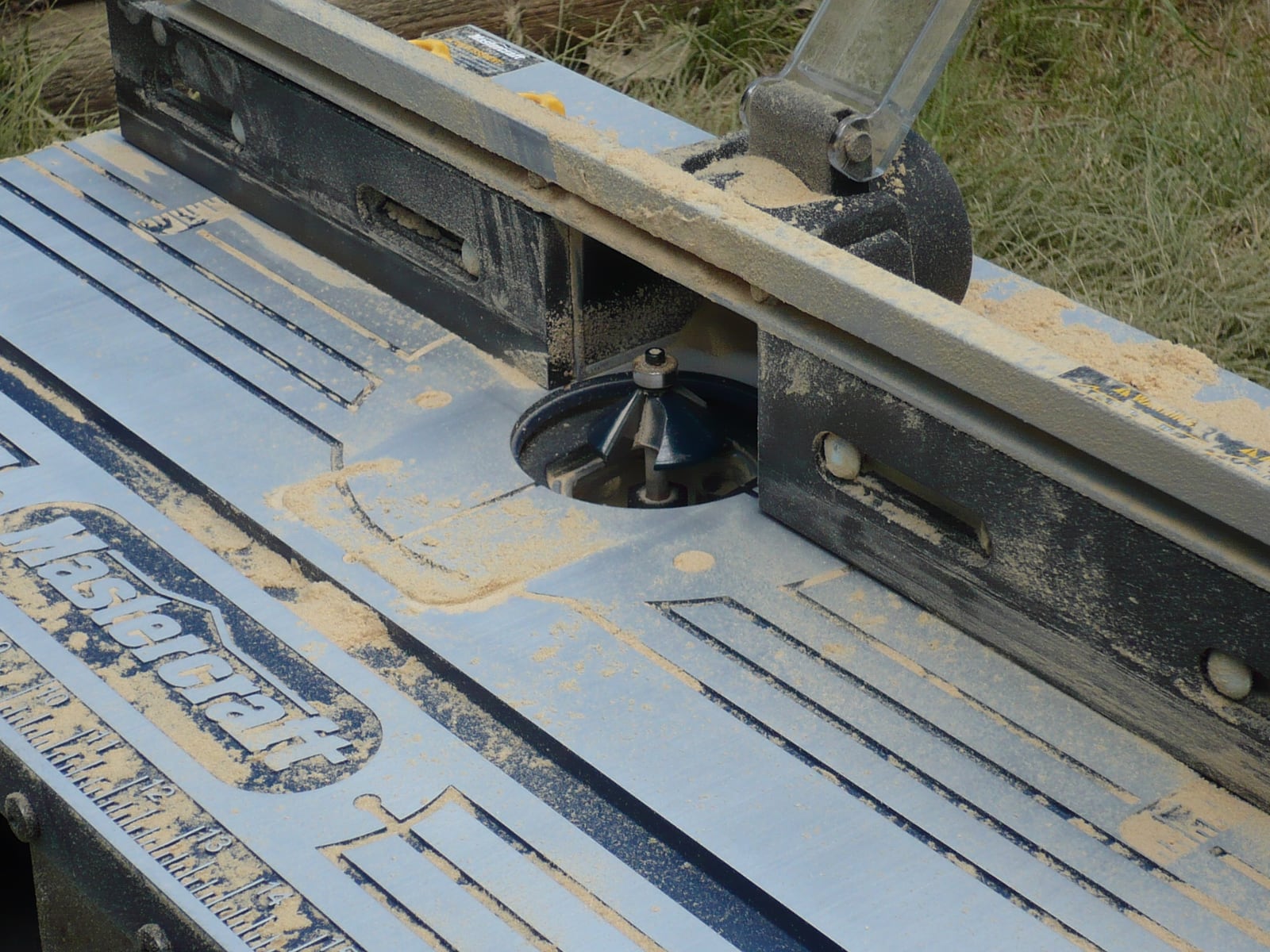
Dedicated Router Table
Turns the router from a handheld tool into a small shaper: fenced, repeatable profiles and joinery, with both hands free to control the workpiece.
Miter Saw Station
Turns a saw into a station — supported infeed and outfeed, a fence with a stop block, and dust collection. The difference between accurate crosscuts and lucky ones.
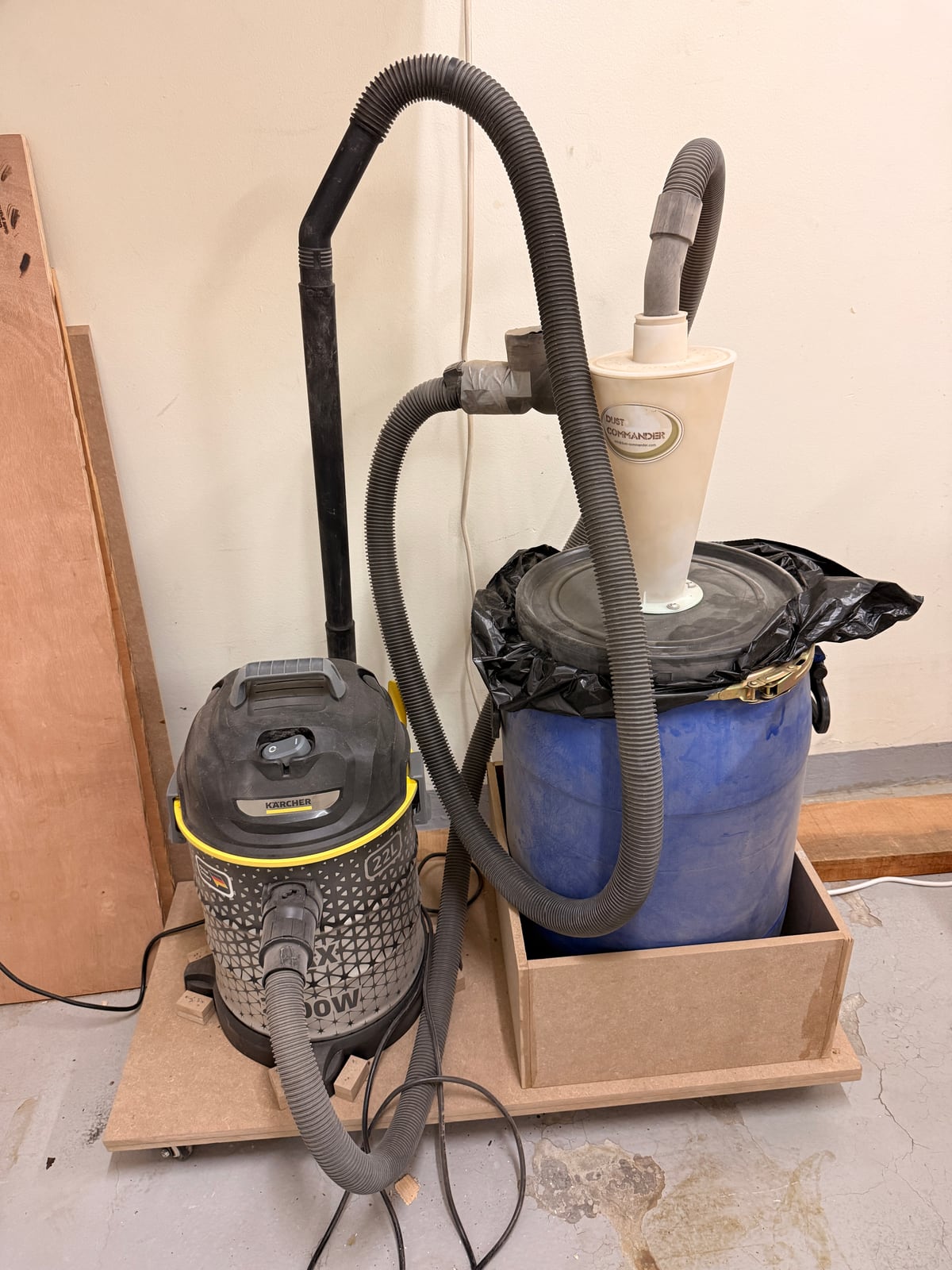
Stationary Dust Collector
Captures chips at the machine rather than on your floor, your lungs, and everything you own. At this scale a shop vacuum cannot move enough air to keep up.
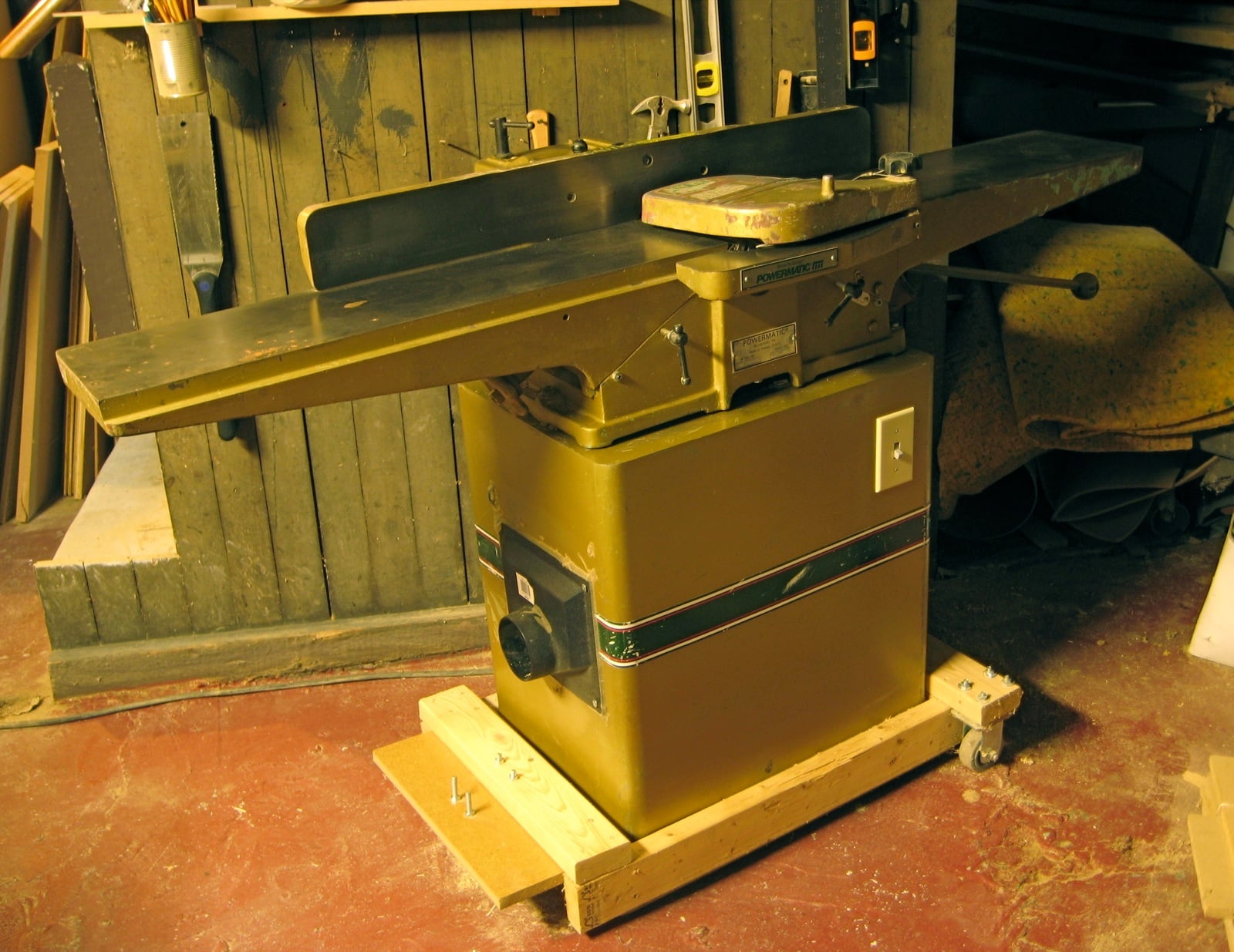
Jointer
Produces the flat face and square edge every other machine assumes you already have. Skipping it is the single most common reason boards mysteriously will not glue up flat.
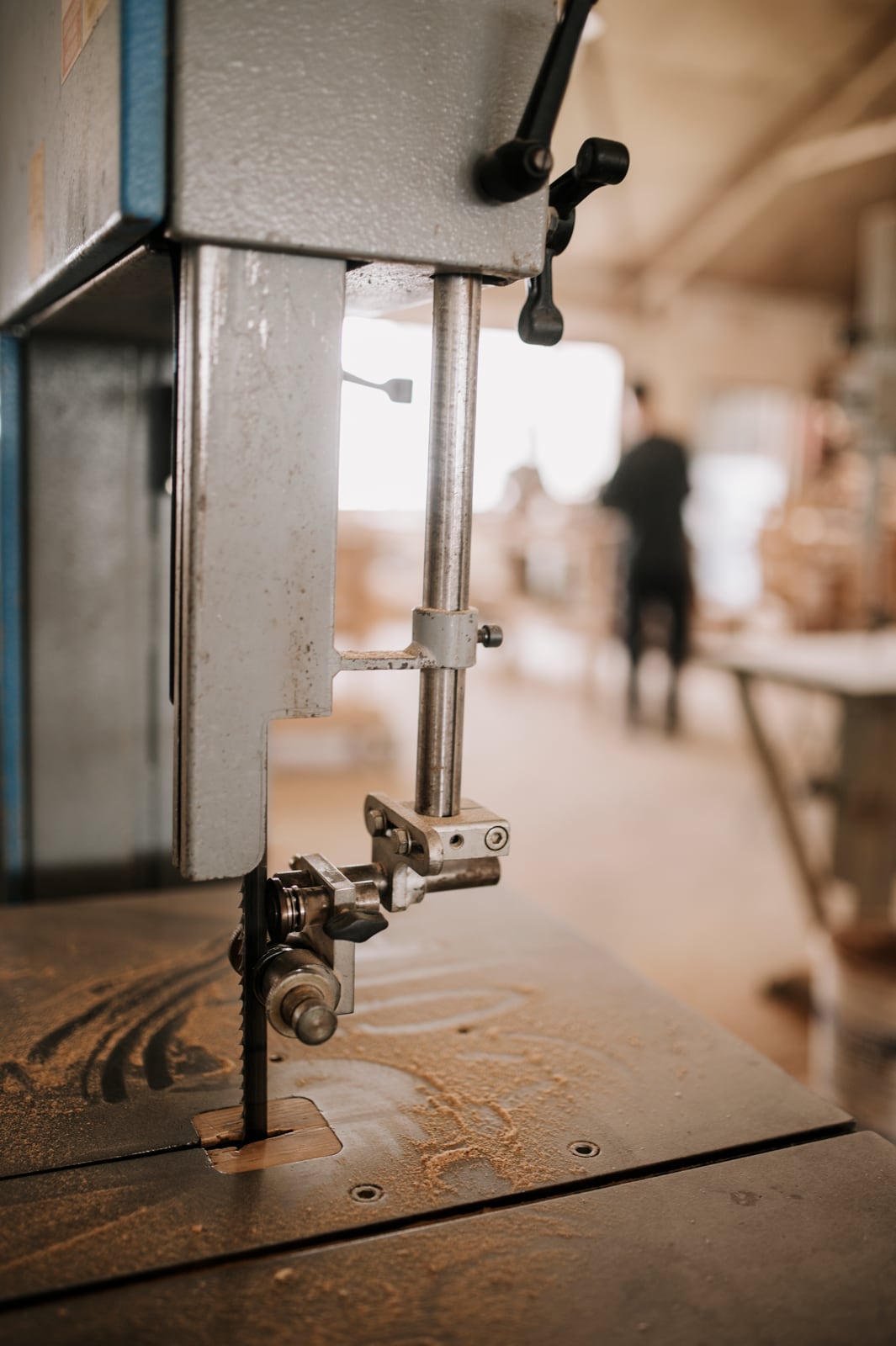
Band Saw
Resawing one thick board into two thin ones, and cutting curves — two things nothing else does well. Also the least frightening large saw in the shop, for whatever that is worth.
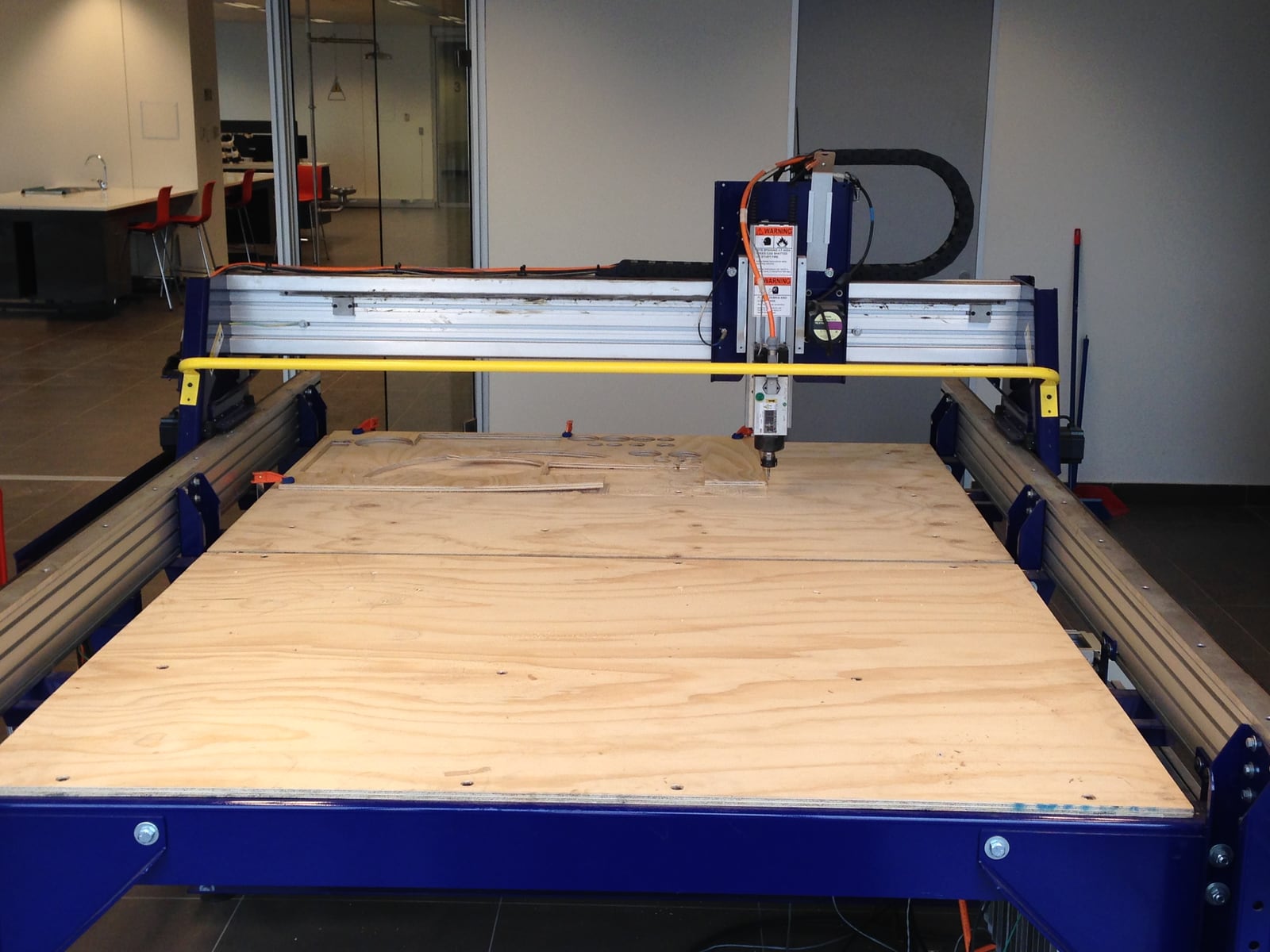
CNC Router
Exact repeatability and geometry that is not practical by hand: inlay, matched curved parts, engraving, precise pocketing. The learning curve is software, not woodworking.
Shop Essentials
Cheap, unglamorous, and constantly in use -- the stuff that's easy to underbuy because no single item feels like a big purchase.
Nothing here is exciting and all of it is load-bearing. These are the items that cost almost nothing individually and quietly decide whether a glue-up succeeds, a layout line is accurate, or you still have both eyes.
The classic mistake is underbuying: one square, four clamps, a dust mask you will wear "next time." Buy consumables in bulk when they are cheap, buy safety gear comfortable enough that you will actually wear it, and accept early that no woodworker in recorded history has ever reported owning enough clamps.
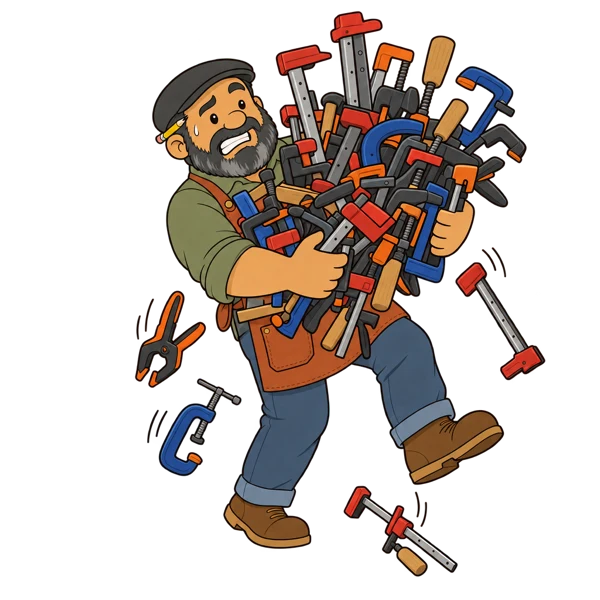
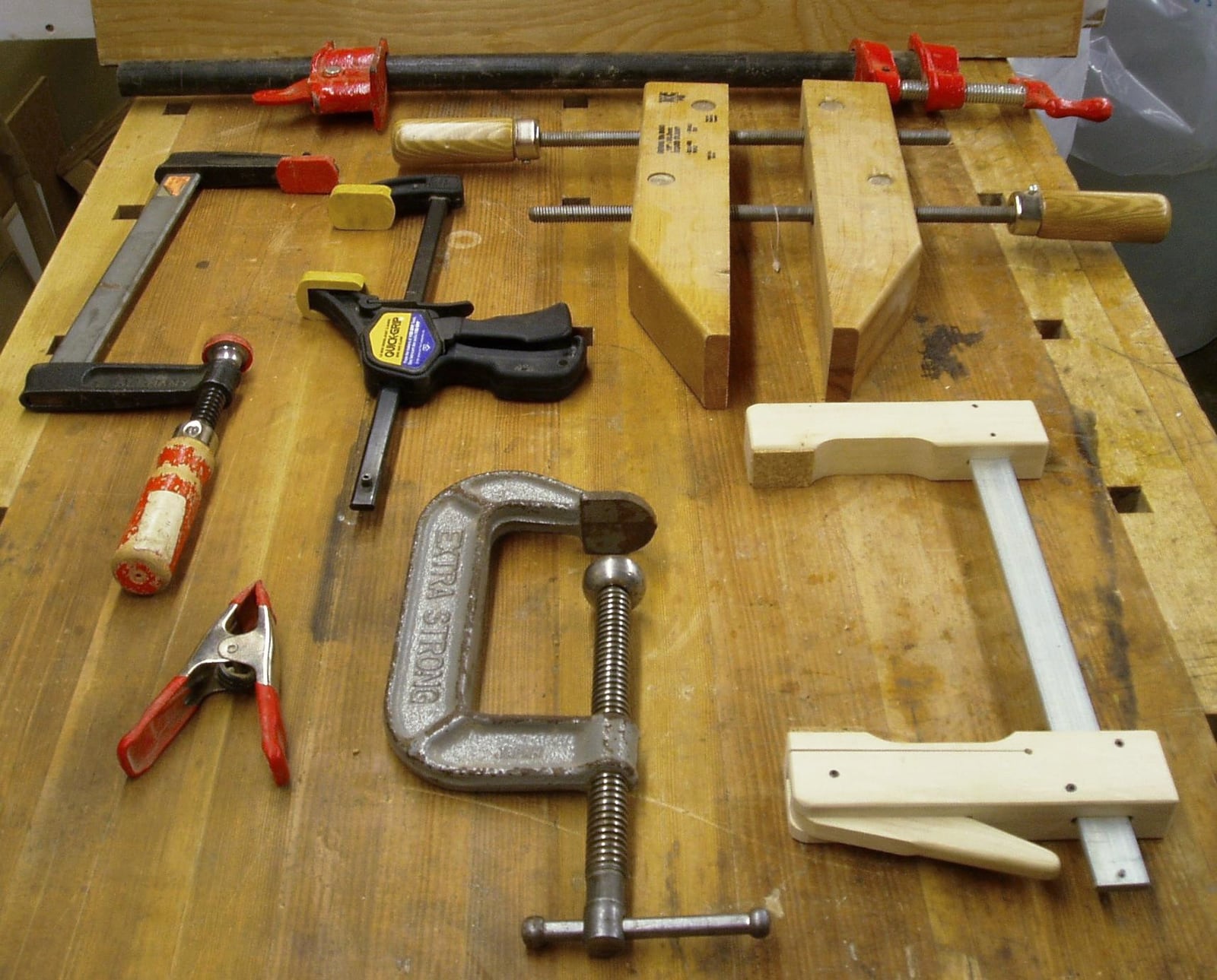
Clamps
Clamps are what actually make the joint; the glue just keeps it there afterward. Every glue-up is limited by how many you own, which is precisely why nobody owns enough.
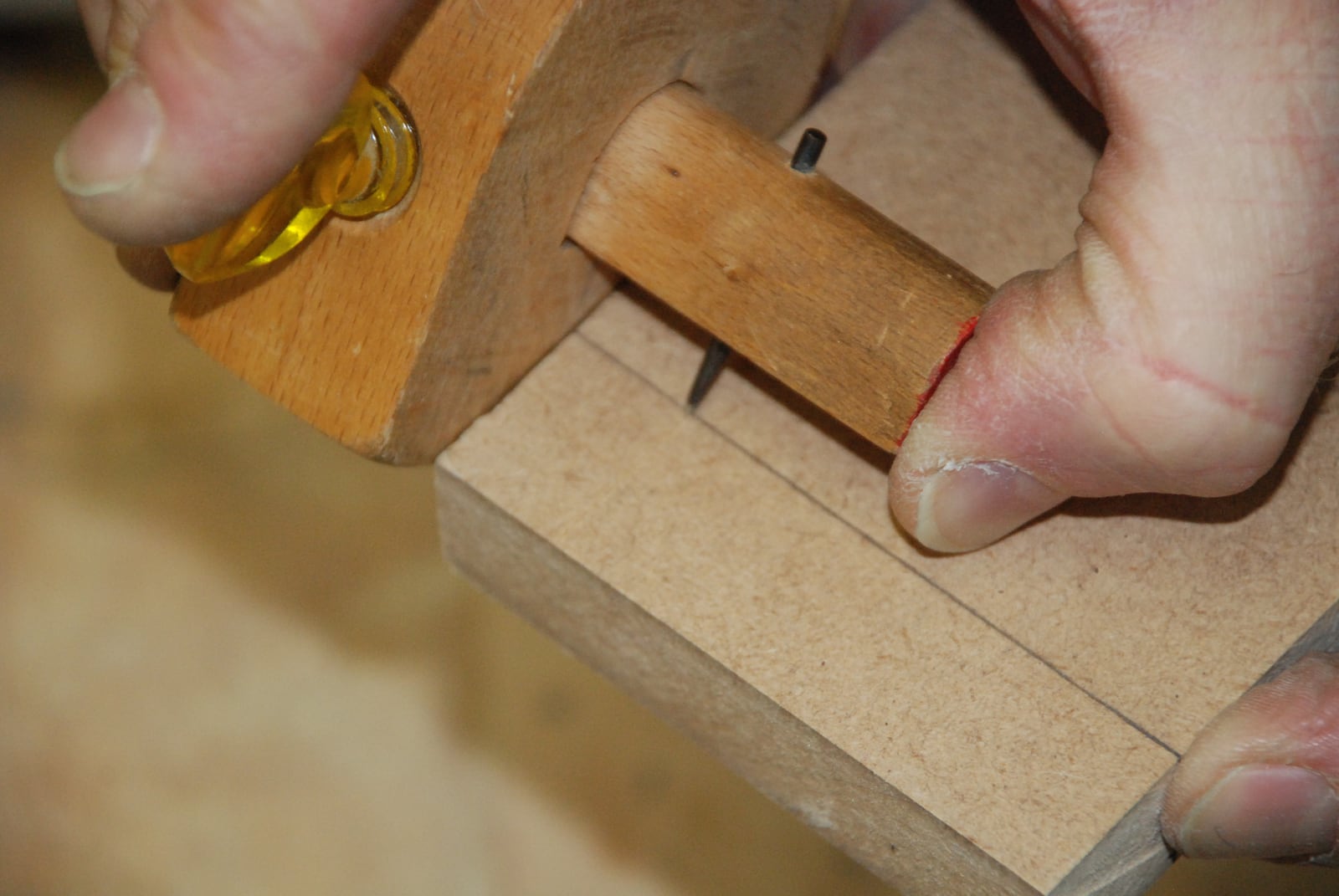
Marking Gauge
A scribed line is physically more accurate than a pencil line, and it gives a chisel somewhere to register. Small tool, disproportionate effect on joinery.
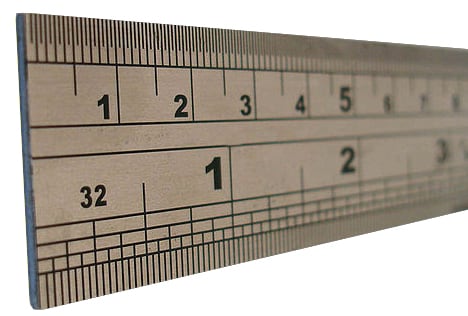
Tape Measure
Fine for rough work — but consistency beats accuracy here. Use the same tape for a whole project, because two tapes almost never agree with each other.
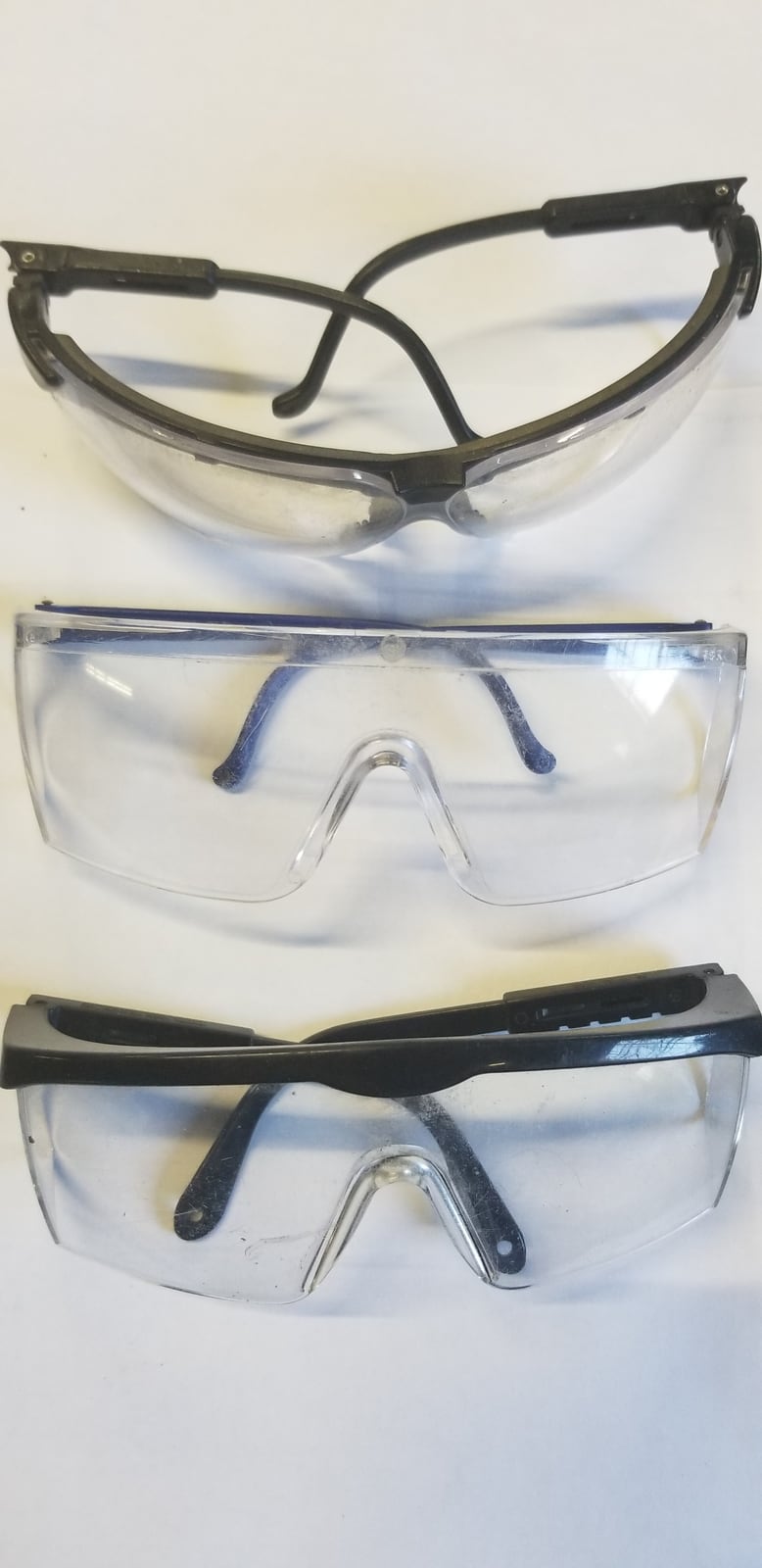
Safety Glasses
The cheapest insurance policy in the building. Buy several pairs and keep them everywhere, so "I will just make one quick cut" never happens bare-eyed.
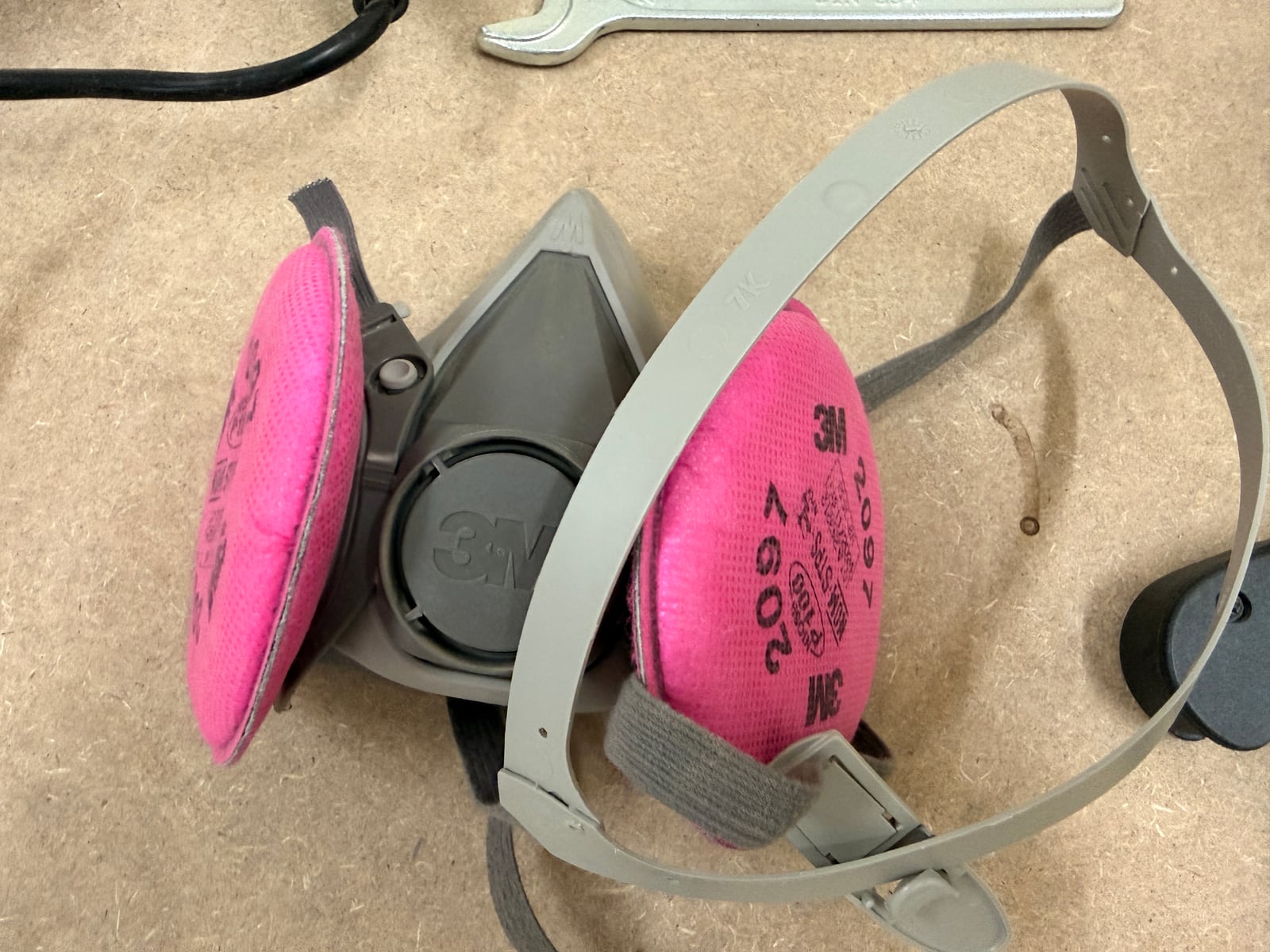
Hearing & Dust Protection
Hearing loss and fine-dust damage are both cumulative, permanent, and completely silent while happening. Comfortable gear you will wear beats better gear you will not.
Pencils
Marks wood. Gets lost. Reappears behind your ear roughly ninety seconds after you buy a replacement.
Shop Multipliers
Not woodworking tools in the strict sense, but the kind of thing that changes how much a shop can actually do -- borrowed from the Resources page's own phrase for exactly this idea.
Not woodworking tools. Things that change what your woodworking tools are capable of.
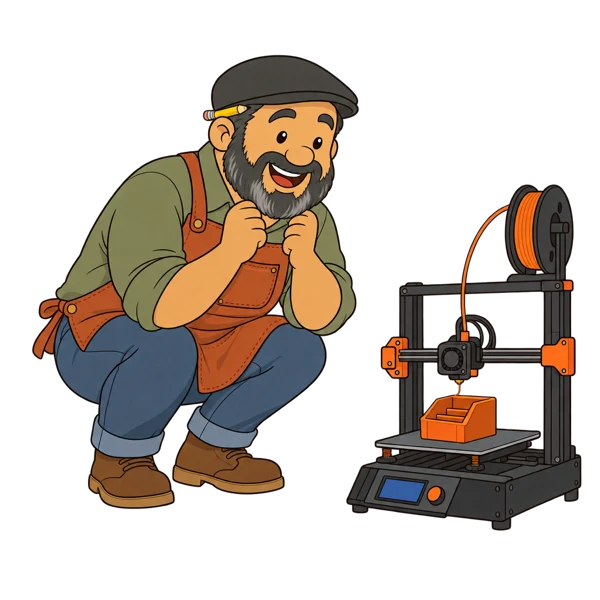
The 3D printer is the clearest case: nobody buys one to print furniture. They buy one and then quietly print a dust port adapter that does not exist commercially, a drill guide sized to their exact bit, and forty storage bins that fit their exact drawers. It pays for itself in jigs and adapters faster than most people expect.
3D Printer
Custom jigs, dust port adapters nobody manufactures, and shop organization on demand. It permanently solves the "they do not make that part" problem.
Digital Calipers
Real thickness measurements to the thousandth — which matters for joinery fits, and for the fact that plywood is never, ever its stated thickness.
Shop Vacuum / Dust Extractor
Tool-level dust collection at the sander and router, plus cleanup. A different job from the big collector: high suction, low volume, hose-and-tool scale.
Tool photos come from each tool's own wiki article (Wikimedia Commons, credited there) and show the tool type, not the specific product linked. Prices, models, and what's in stock all move around constantly — every link goes to a search, not a single listing, so it should still find the thing a year from now.