

Wood Species
Black Locust
Robinia pseudoacacia
- Janka hardness
- 1700 lbf
- Specific gravity
- 0.77
- Workability
- Hard, dense, and hard on tooling; blunts edges quickly and can be difficult to glue
Black locust is the most underused wood in North America, and the case for it is almost entirely practical: it is extremely hard (1,700 lbf, harder than white oak and hickory), extremely rot resistant, grows fast enough to be genuinely renewable, and is domestic. If you're building a deck, a raised bed, a fence, or outdoor furniture and reaching for ipe or pressure-treated pine, this is the thing worth comparing against.
Durability
Black locust is rated very durable — in the same class as teak and ipe for ground-contact rot resistance, and better than white oak or cedar. Untreated black locust fence posts routinely last decades in soil. It's also resistant to insect attack.
That's without chemical treatment, which makes it the obvious choice for anything that touches soil or food: raised garden beds, planters, playground structures, boardwalks. A pressure-treated 4x4 is cheaper up front and carries preservatives you may not want next to vegetables.
Working it
The hardness cuts both ways:
- It blunts tooling fast. Carbide, sharp, patient. Predrill everything — black locust splits under nails and will snap screws driven without a pilot hole.
- Gluing can be unreliable. The density and natural oils interfere with adhesion. Rough the surfaces, glue fresh off the machine, and consider mechanical fastening for anything structural.
- It's stable once dry with low movement, but it dries slowly and warps if rushed.
- It turns and machines well despite the hardness, and finishes to a good natural luster.
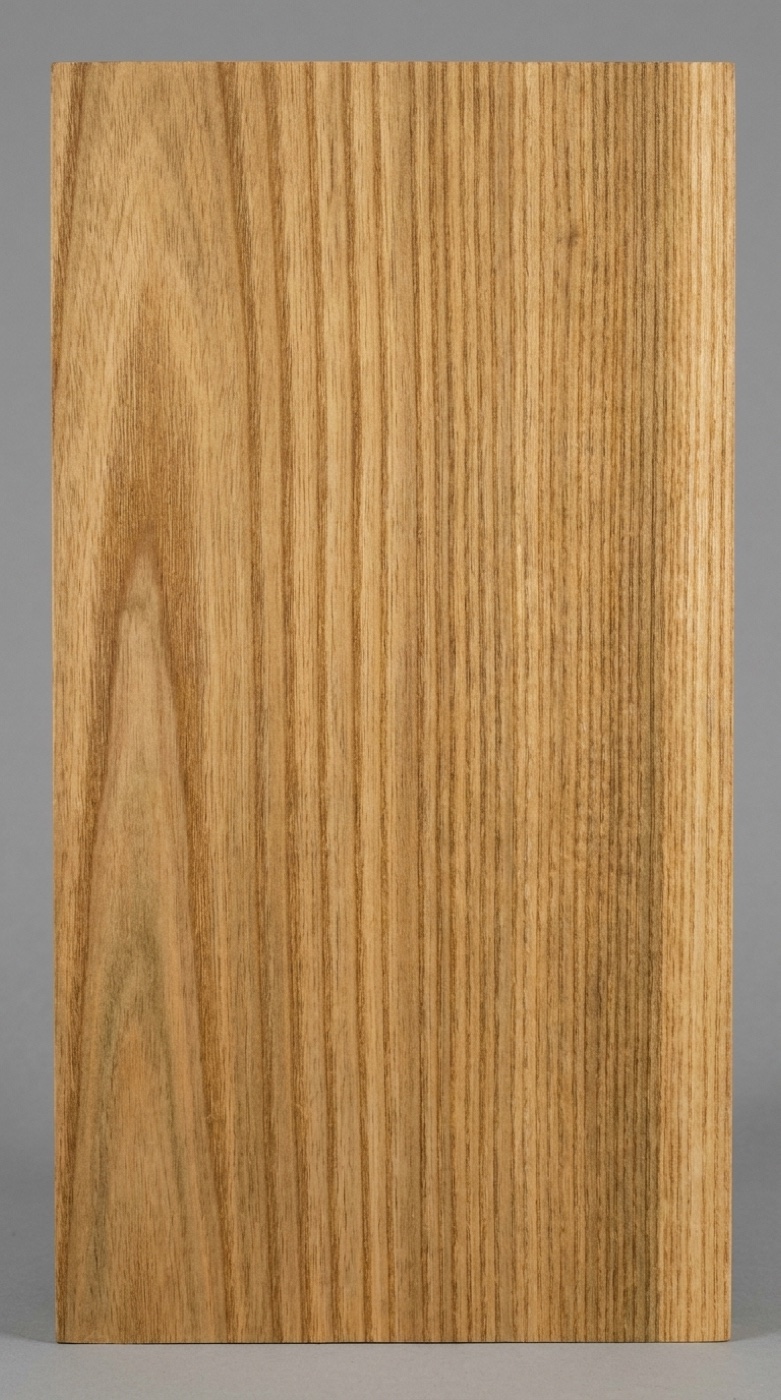
The heartwood is pale greenish-yellow to golden olive, ring-porous with strong growth ring contrast, and it ages to a deeper russet brown. It's also mildly fluorescent under UV — a real identification trick for distinguishing it from woods it resembles.
Availability, and why it's cheap
Black locust is aggressively invasive outside its native range and considered a nuisance species in much of Europe and parts of North America. There is no shortage. What there is instead is a distribution problem: most of it never enters the commercial lumber stream, so you're likely buying from a local sawyer rather than a hardwood dealer, and getting shorter, more irregular stock than a catalog species.
A safety note
Black locust bark, leaves, and seeds are toxic to livestock and people, and the sawdust is a known irritant and sensitizer for some woodworkers. Wear a respirator when machining it and keep the dust down — reasonable practice for any dense hardwood, and worth actually following here.
Typical Uses
Fence posts, decking, outdoor furniture, raised beds, boat framing, flooring, turned objects, and firewood with one of the highest heat outputs of any North American species.
Images
Raw Wood: A board of black locust -- greenish-gold heartwood with strong ring-porous banding