

Wood Species
Brazilian Maple
Balfourodendron riedelianum
- Janka hardness
- 1700 lbf
- Specific gravity
- 0.68
- Workability
- Straight, fine, tight grain -- machines and finishes cleanly
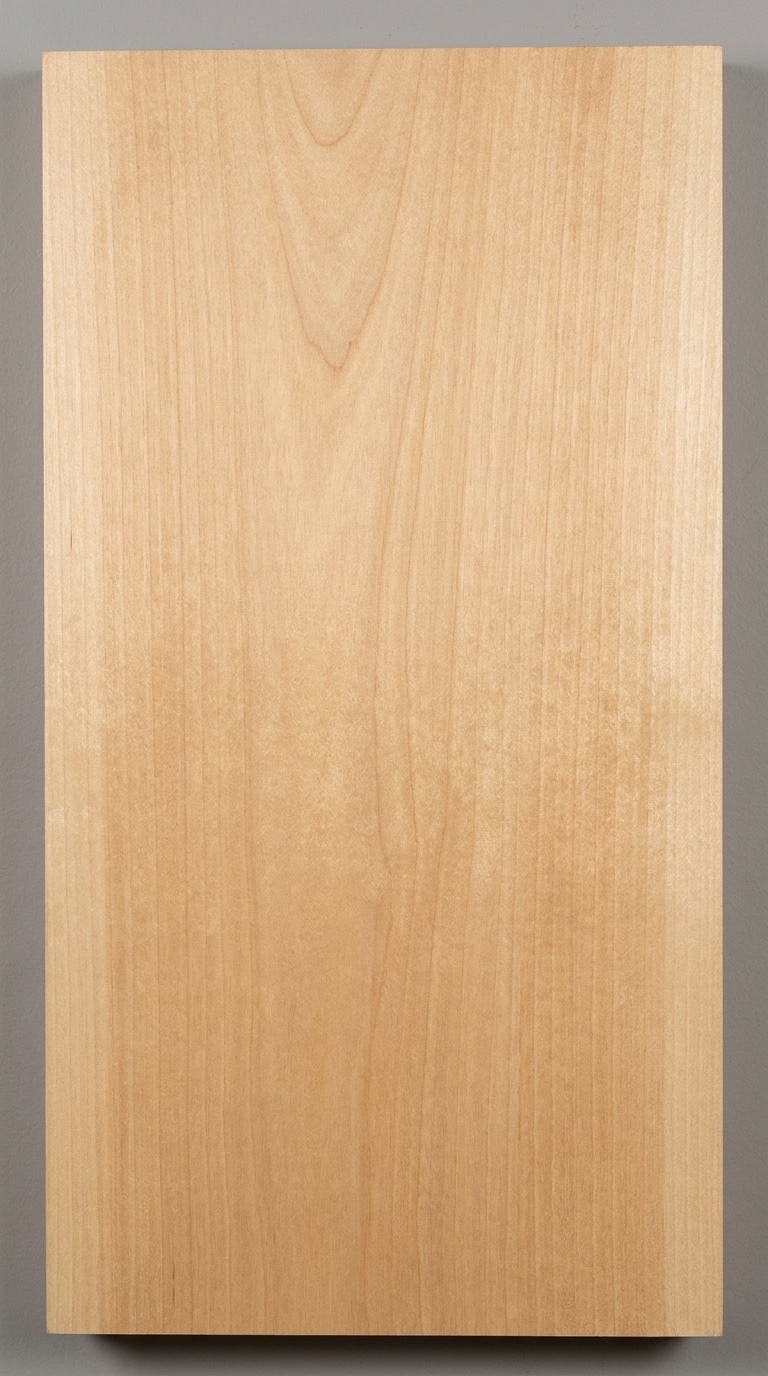
Maple (genus Acer) doesn't grow in Brazil, full stop — "Brazilian Maple" is a marketing name, picked because the wood sold under it is pale like the maple American buyers already know. What's actually being sold is most consistently guatambú, also called pau marfim or ivorywood (Balfourodendron riedelianum) — pale cream to yellow-cream, minimal contrast between sapwood and heartwood, and a straight, fine, tight grain occasionally broken by a swirl or burl. That identification isn't a guess: it's corroborated independently by the National Wood Flooring Association's own species page and by USDA/ITTO botanical references, both landing on the same tree under its real trade names.
The trade muddies this further by also calling it Garapa, a name that more often refers to a completely different tree (Apuleia leiocarpa, sold mainly for decking) — so "Garapa" alone doesn't reliably tell you which wood you're getting. Reported Janka hardness for products labeled Brazilian Maple still ranges from about 1,500 to nearly 2,000 lbf, a spread wide enough that more than one species is plausibly hiding under the name even once you account for the guatambú identification.
What This Means Practically
Buying "Brazilian Maple" flooring or lumber, ask the supplier for the actual botanical species — hardness, movement, workability will all depend on what that specific product actually is, not on this label.
Typical Uses
Flooring, sold as a harder, less expensive-looking alternative to North American hard maple.
Images
Raw Wood: A board of Brazilian Maple (guatambú/pau marfim) -- pale cream to yellow-cream, minimal contrast between sapwood and heartwood.