

Wood Species
Butternut (White Walnut)
Juglans cinerea
- Janka hardness
- 490 lbf
- Specific gravity
- 0.38
- Workability
- Superb -- walnut's grain and character at a third of the density, and it carves like a dream
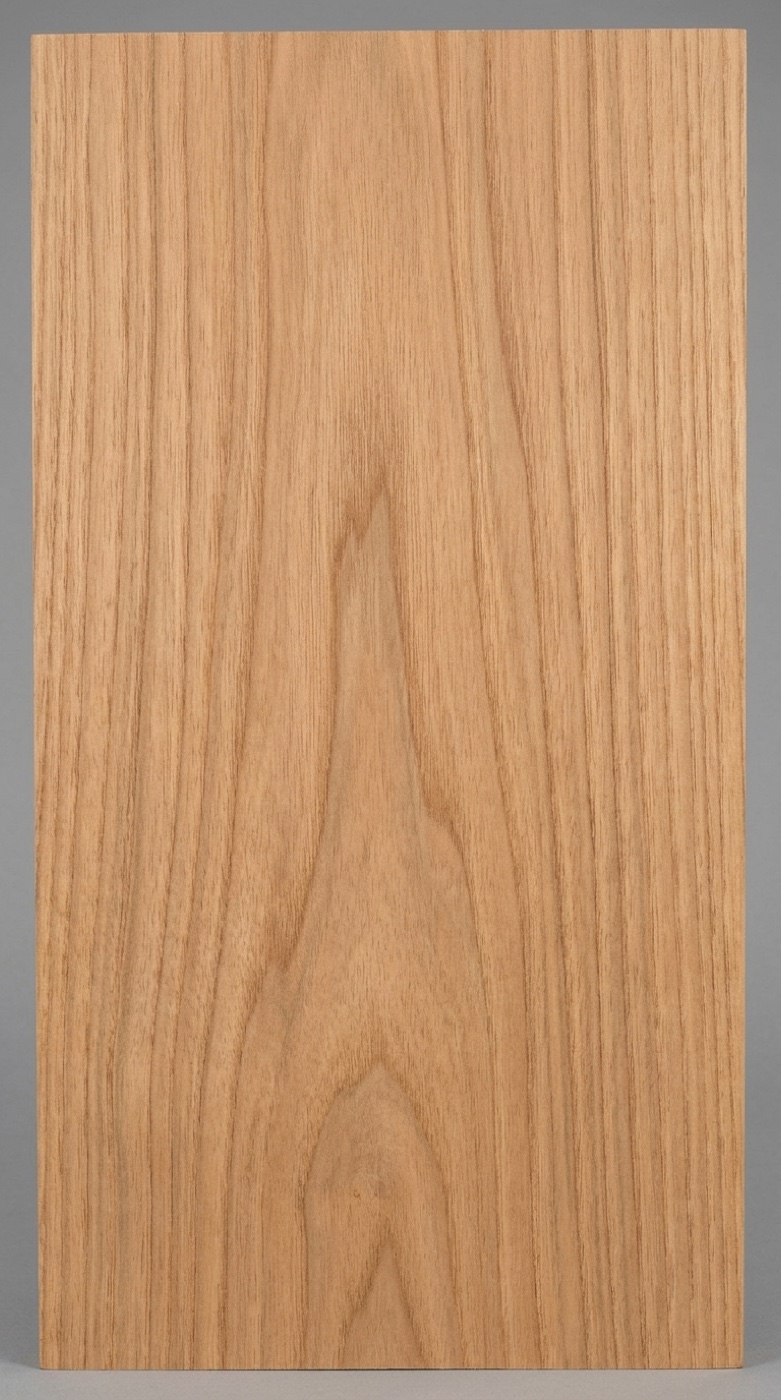
Butternut is a true walnut — same genus as black walnut, same open ring-porous grain structure, same easy machining — with the color and density turned way down. It runs a light golden tan rather than chocolate, weighs about half as much, and at 490 lbf is softer than eastern white pine.
Why carvers like it
Butternut sits in an unusual and useful spot between basswood and a proper furniture hardwood. It's soft enough to carve with hand pressure alone, but unlike basswood it has real, visible, attractive grain — so a carved butternut panel looks like carved wood rather than carved blankness. Ecclesiastical carving, decorative panels, and relief work use it heavily for exactly that reason.
It also planes to a beautiful surface, takes detail crisply, and has a natural luster that makes a simple oil finish look considerably better than the effort involved.
The catch, and it's a real one
Butternut canker, a fungal disease first noticed in the 1960s, has killed an enormous share of the species across its North American range. Butternut is listed as endangered in Canada and is a species of concern in much of the US. Lumber still appears — often from salvage and from trees taken down before they die standing — but supply is thin, prices run well above walnut's per board foot for lower grades, and wide clear boards are genuinely scarce.
If you find good butternut, it's worth buying. It may not be there next year.
Working properties
- Very easy to machine, with little tearout, but its softness means dull tooling crushes fibers instead of cutting them.
- Weak. Butternut has poor strength for its class. It's a bad structural choice — no long shelves, no chair legs taking real load.
- It dents. Not a tabletop wood unless you want the tabletop to record its history.
- Rot resistant, unusually so for something this soft, though not enough to make it an outdoor wood in practice.
Finishing
Open-pored like walnut, so it won't go glass-smooth without filler and looks correct with oil. It's mildly blotch-prone. Many people darken butternut toward walnut with a stain or dye, which works better here than on most pale woods because the grain structure underneath already matches what you're imitating.
Typical Uses
Carving and relief panels, furniture, interior trim, boxes, veneer, and church interiors.
Images
Raw Wood: A board of butternut -- walnut's open grain structure in a light golden tan