

Wood Species
Eucalyptus
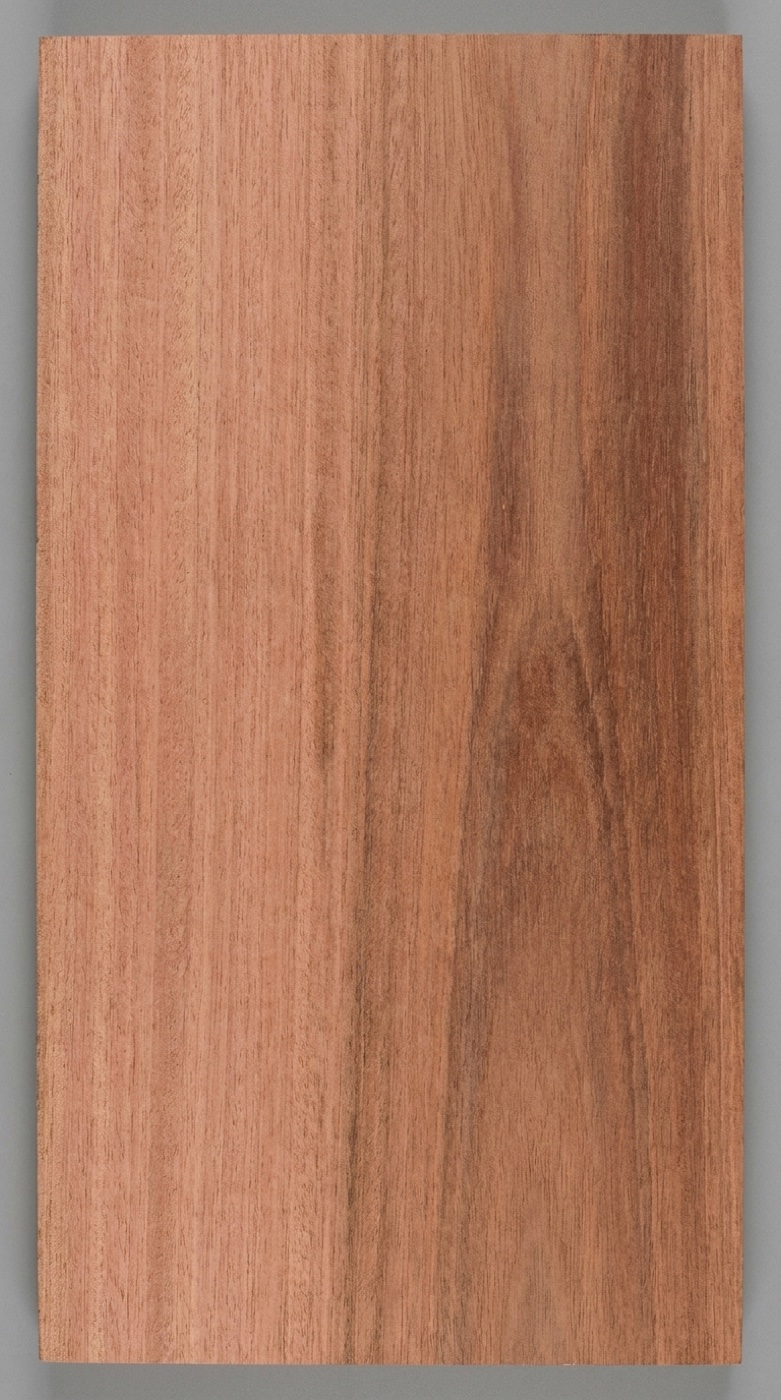
Eucalyptus spp. (commonly E. grandis for solid flooring)
- Janka hardness
- 1125 lbf
- Specific gravity
- 0.65
- Workability
- Generally good, though hardness and workability vary widely by species
Eucalyptus is a huge genus — over 700 species — native to Australia, and "Eucalyptus" as a flooring or lumber product can mean very different things depending on which species and which manufacturing process is behind it.
Hardness Varies by Species and Process
Solid, sawn eucalyptus flooring (commonly Eucalyptus grandis, "Rose Gum") typically lands in the 1,000-1,400 lbf range on the Janka scale. Individual species wander far outside that: Victorian Ash (E. delegatensis) tests around 1,010 lbf, while others have been recorded well north of 3,000 lbf. Engineered strand-woven eucalyptus flooring plays the same trick strand-woven bamboo does — compressed under heat and resin into a much denser product, commonly testing at 3,000-4,000+ lbf, a number that has little to do with the natural wood anymore.
Working Properties
Solid eucalyptus generally machines, glues, and finishes acceptably, with working characteristics that shift depending on which of the 700-odd species you actually got.
Typical Uses
Flooring almost exclusively in North America; furniture and construction lumber in Australia where local species are far more commonly used structurally.
Images
Raw Wood: A board of Eucalyptus (Rose Gum) -- pink to reddish brown with a moderately coarse texture