

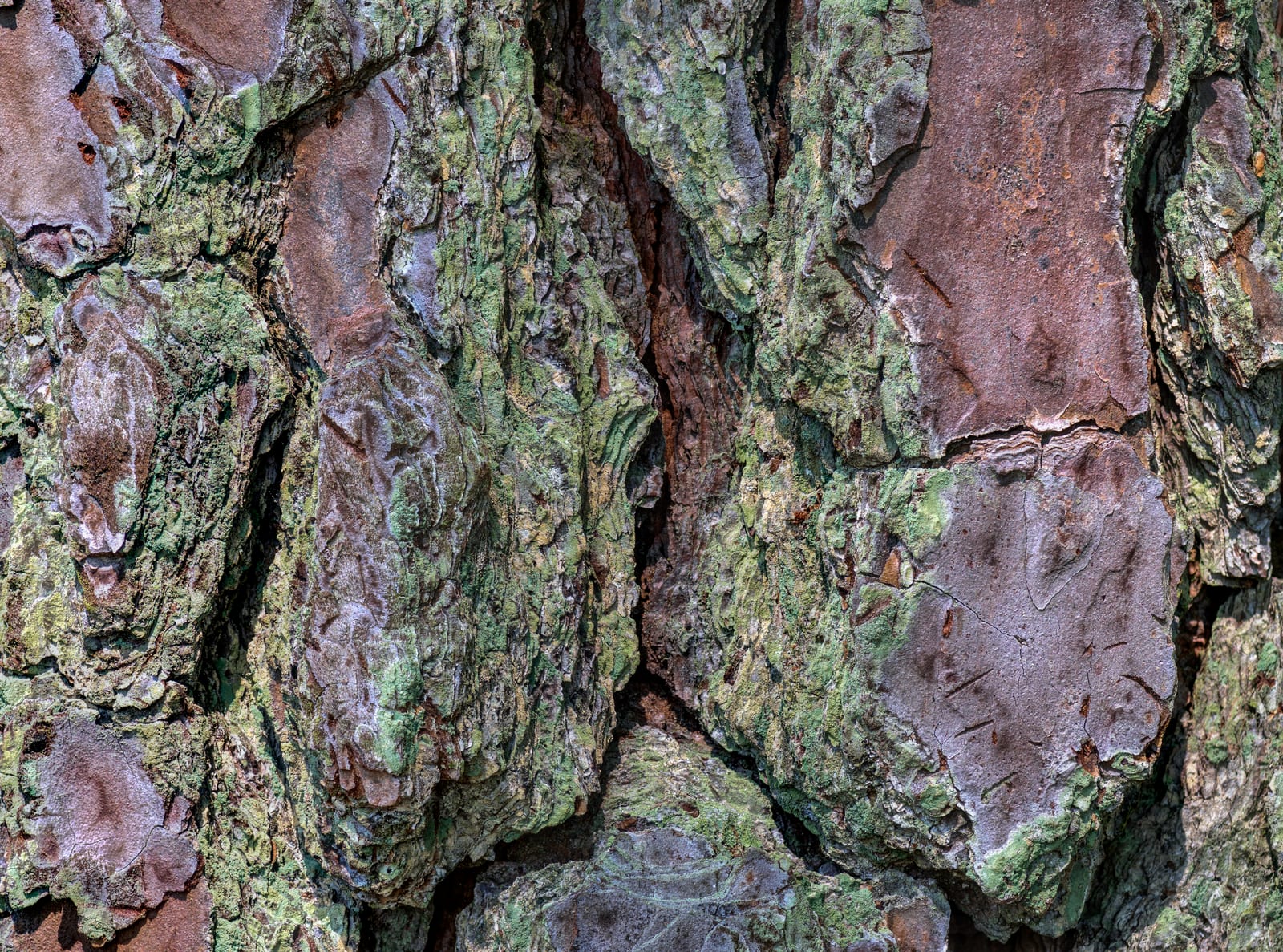
PumpkinSky, CC BY-SA 4.0, via Wikimedia Commons
Wood Species
Heart Pine
Pinus palustris
- Janka hardness
- 1225 lbf
- Specific gravity
- 0.7
- Workability
- Good; resinous heartwood is durable and stable, often reclaimed from old structures
Heart pine refers specifically to the dense, resin-saturated heartwood of old-growth Longleaf Pine (Pinus palustris) — not a separate species, but the most prized part of one. Virgin longleaf forests were heavily logged over a century ago, so most heart pine sold today is reclaimed from old buildings, mills, and barns rather than freshly cut.
Working Properties
Heart pine's high resin content makes it notably tougher and more rot-resistant than ordinary softwood framing lumber, and reclaimed boards arrive already well-seasoned and dimensionally settled — decades of sitting in a barn will do that. It beats the more common southern yellow pine species on strength, hardness, and rot resistance across the board. Reported Janka hardness ranges by source (roughly 870-1,225 lbf), most likely reflecting the real difference between fresh-cut material and long-aged reclaimed stock.
Typical Uses
Flooring (its dominant modern use, almost always as reclaimed material), timber framing, and millwork.
Images
Tree: Pinus palustris (Longleaf Pine) bark at the Virginia Native Plants Garden at Norfolk Botanical Garden, Norfolk, Virginia. Area shown is a... — PumpkinSky, CC BY-SA 4.0, via Wikimedia Commons
Images are sourced from Wikimedia Commons under their original open licenses -- see each image's caption for its specific license and attribution.