

Wood Species
White Oak
Quercus alba
- Janka hardness
- 1350 lbf
- Specific gravity
- 0.75
- Workability
- Good with hand and machine tools; shrinks considerably during drying
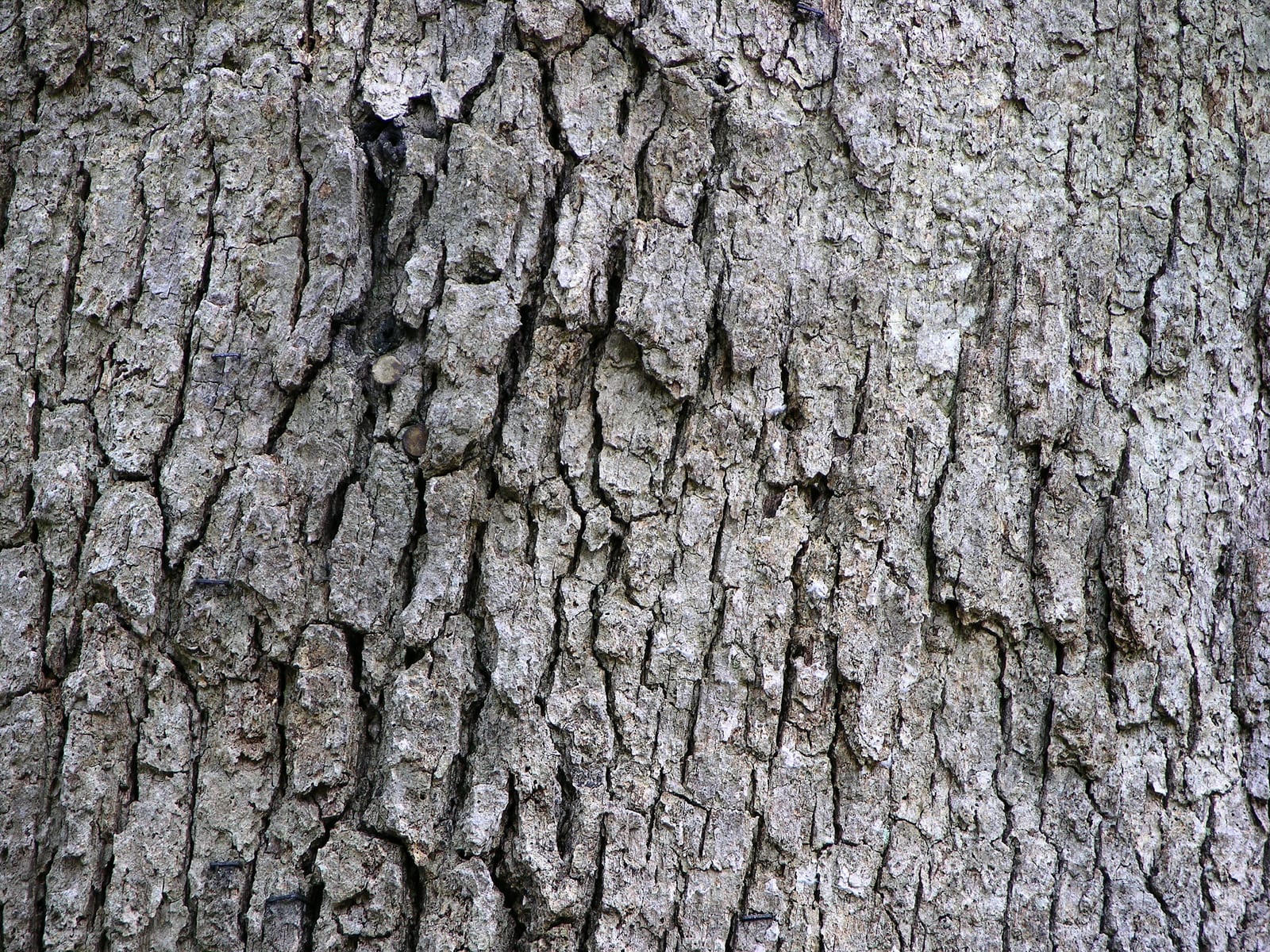
White oak (Quercus alba) is red oak's denser, more decay-resistant cousin, with one structural difference that matters more than it sounds like it should: its pores are closed rather than open. That's the entire reason it's the traditional barrel wood — closed pores don't let liquid seep out through the end grain the way red oak's would.
Working Properties
At a Janka hardness of about 1,350 lbf, white oak edges out red oak on hardness and machines just as well with hand or power tools, plus it takes to steam bending nicely. Quartersawn boards throw off ray fleck figure that's made it a staple of Arts & Crafts furniture. One quirk to know before you reach for hardware: it reacts with iron, staining dark wherever the two touch — stainless or coated fasteners save you the surprise.
Safety
White oak dust is a respiratory irritant like any wood dust, with the same long-term exposure risks OSHA and NIOSH recognize across species — dust collection and a properly rated respirator, every time.
Typical Uses
Barrels and casks (the application it built its reputation on), boatbuilding, flooring, furniture, and cabinetry.
Images
Raw Wood: A board of White Oak -- light tan to medium brown, with the prominent silvery ray fleck this wood is known for.