

Power Tools
What each power tool is for, and key safety notes.

3D Printer
Not for printing furniture. For printing the dust-hose adapter, the drilling jig and the drawer insert that nobody sells in the size you actually need.
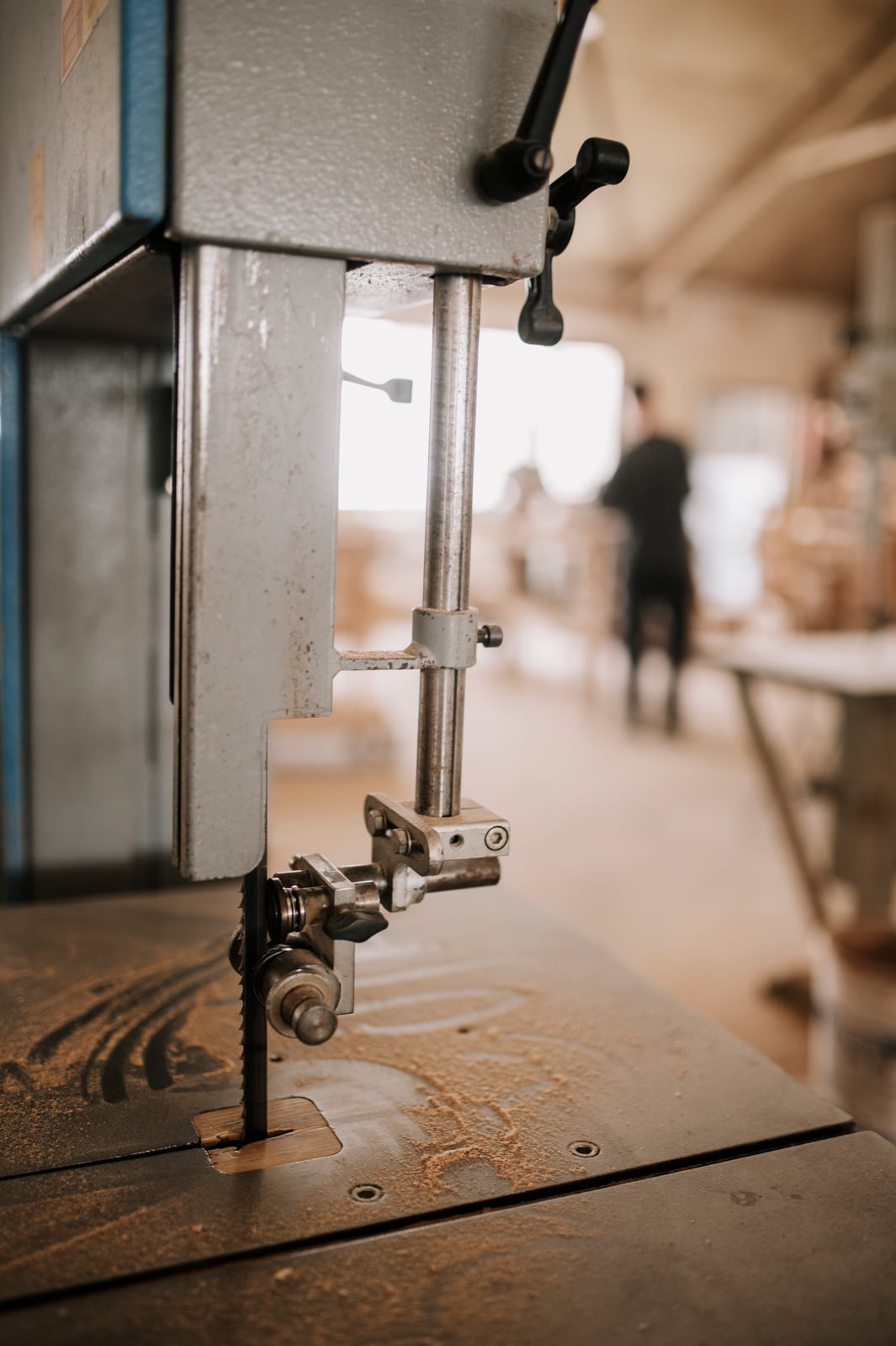
Band Saw
A continuous blade looping around two or three wheels -- the only practical way to resaw thick stock into thin slices or cut a real curve.
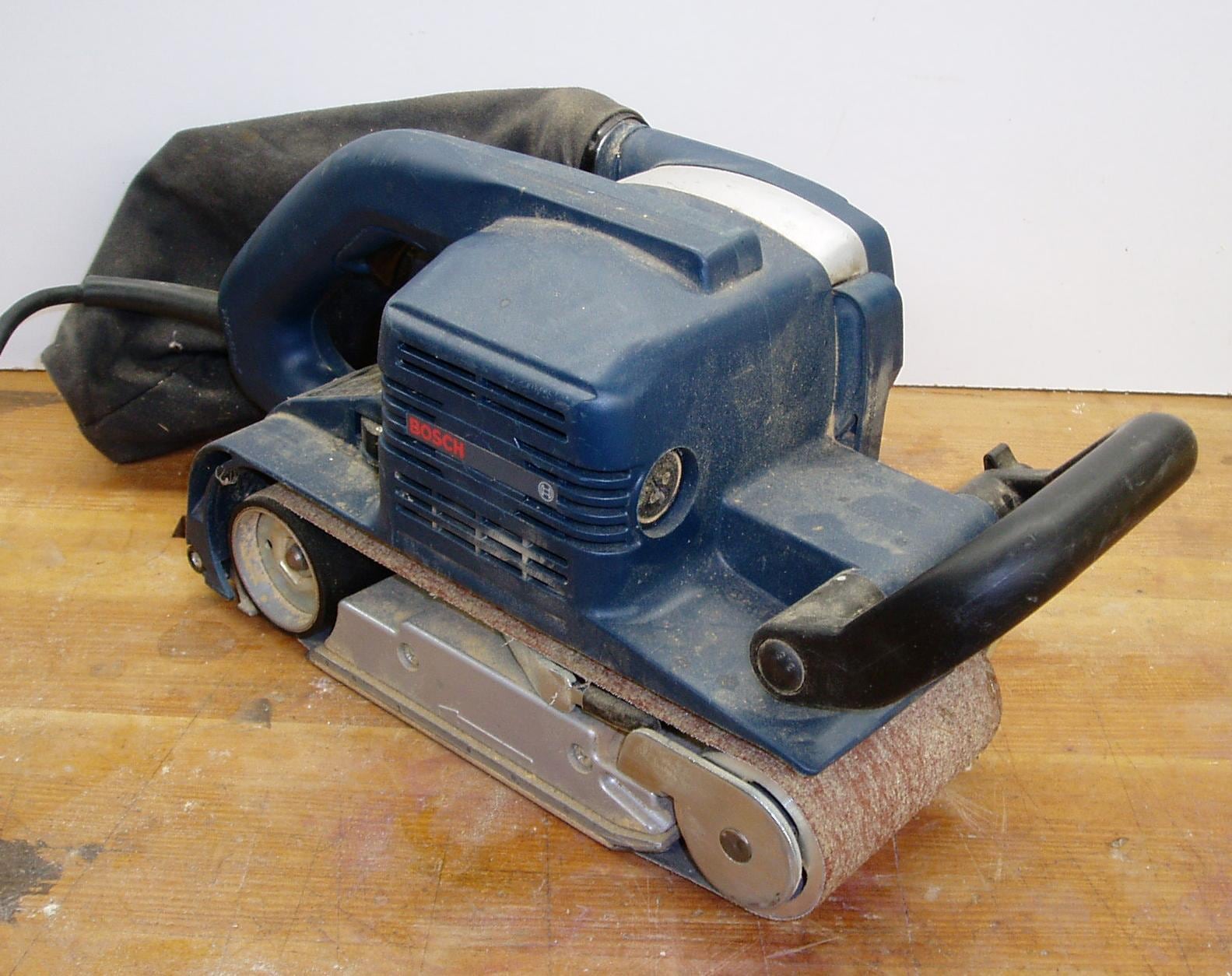
Belt Sander
A continuous abrasive loop moving fast enough to remove serious material in a hurry -- the tool for leveling and stock removal, not the tool for a finish surface.
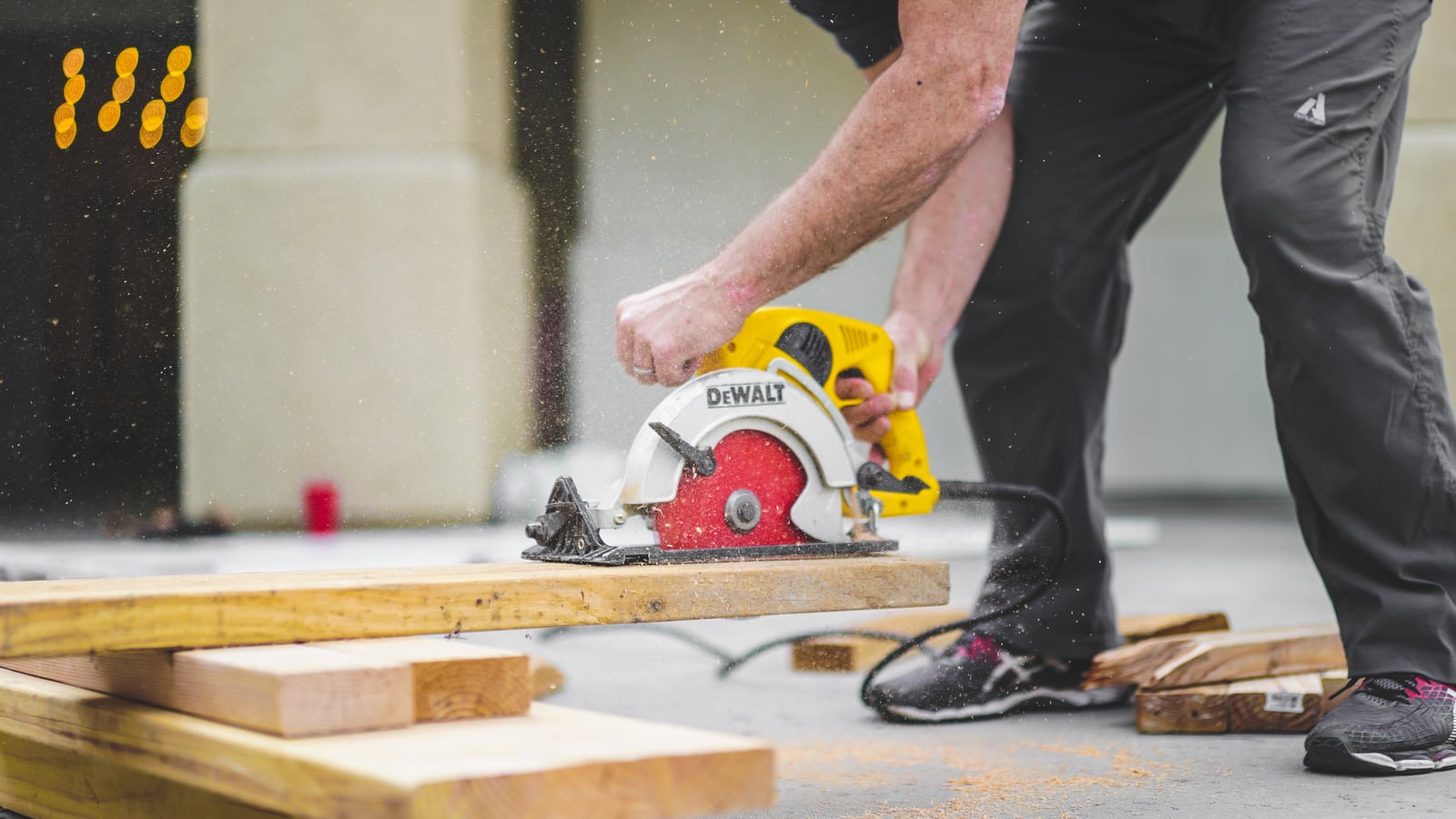
Circular Saw
The tool most people cut their first board with, and the one that never quite leaves the shop even after you own a table saw, track saw, and miter saw.
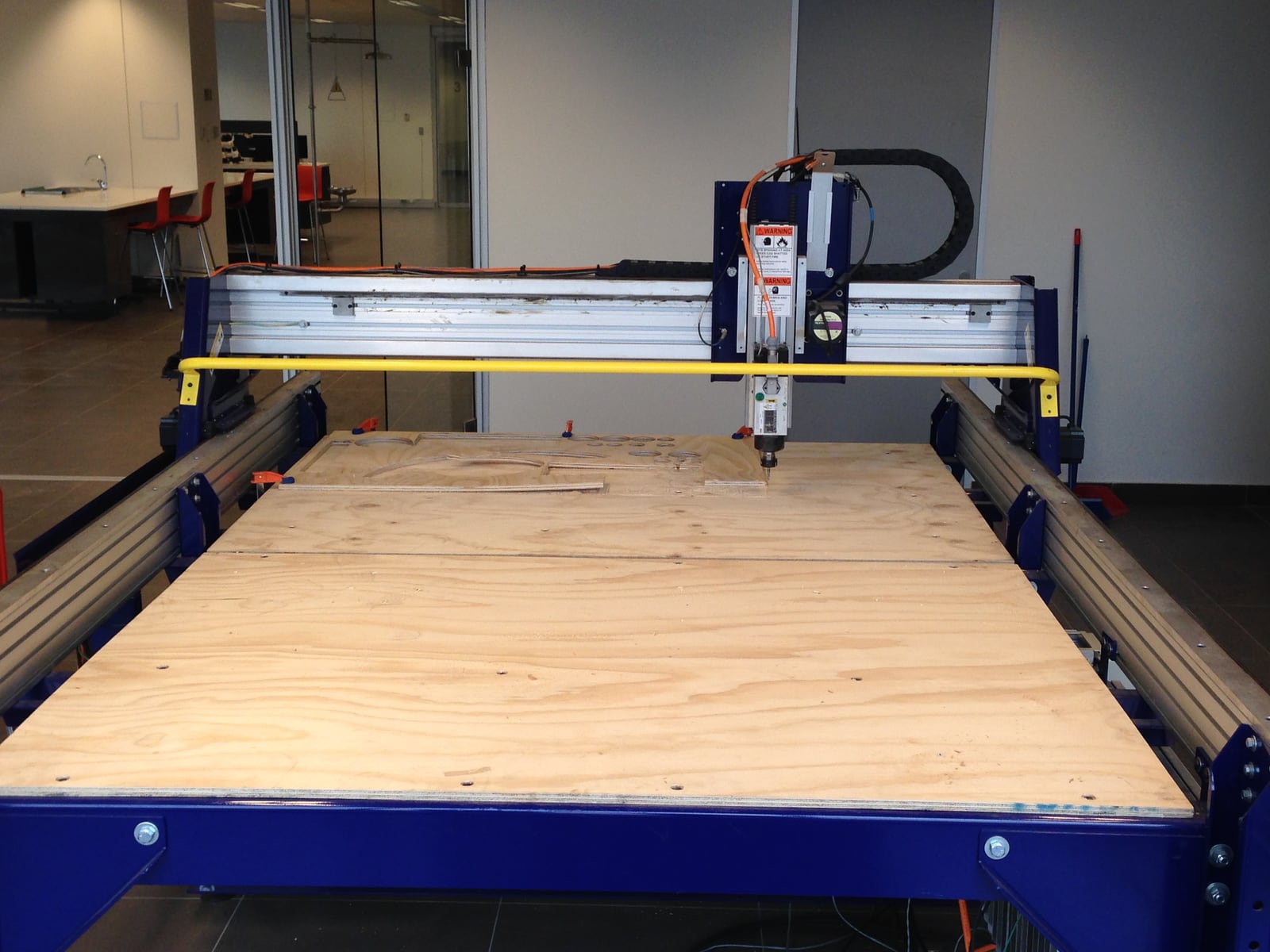
CNC Router
A router that follows a digital file instead of a hand -- genuinely repeatable, and a real learning curve that has nothing to do with woodworking.
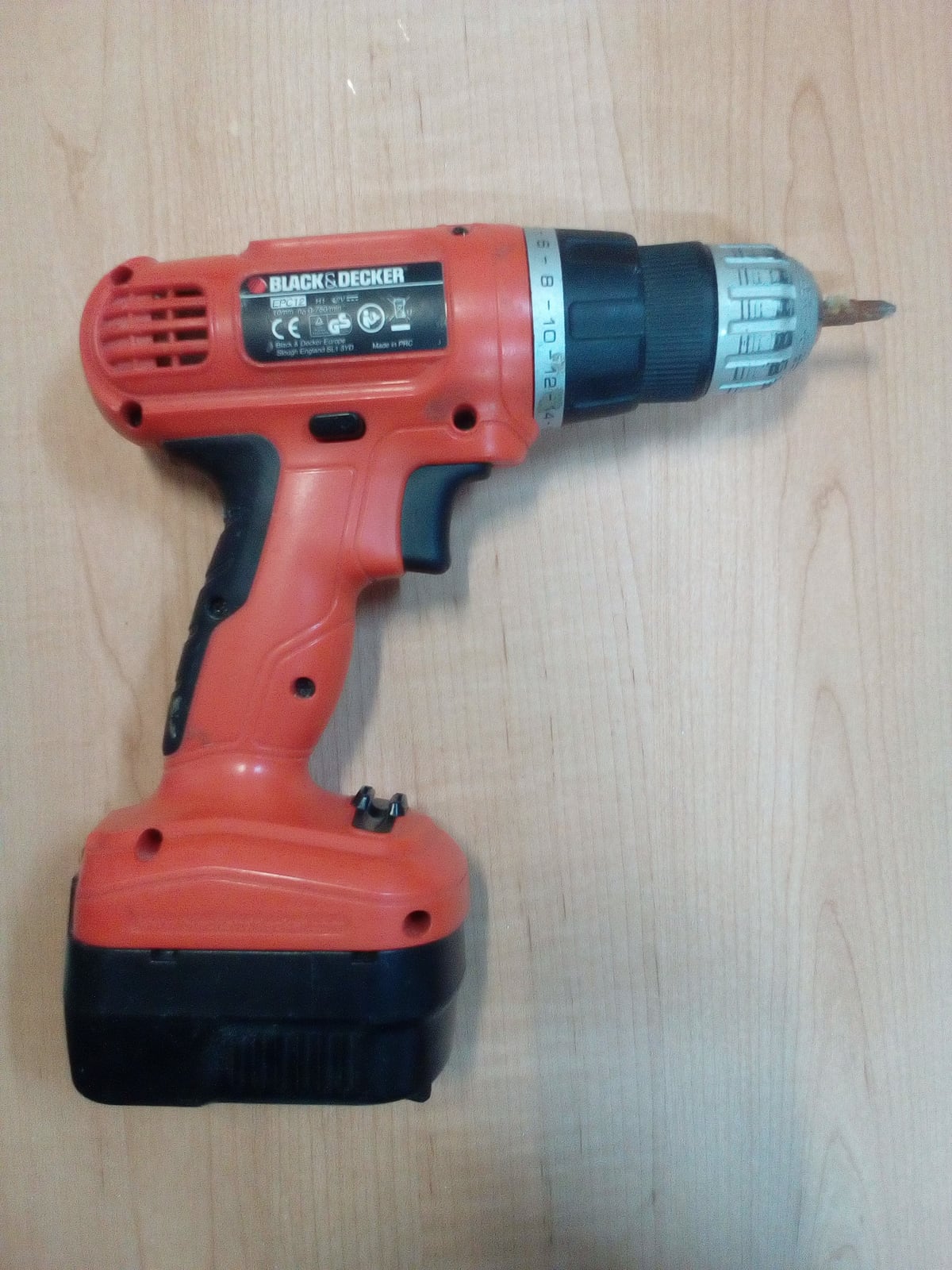
Drill
The tool everyone already owns, and the one most likely to be doing a job it's not actually built for -- a drill drives fasteners fine, but an impact driver does it better.
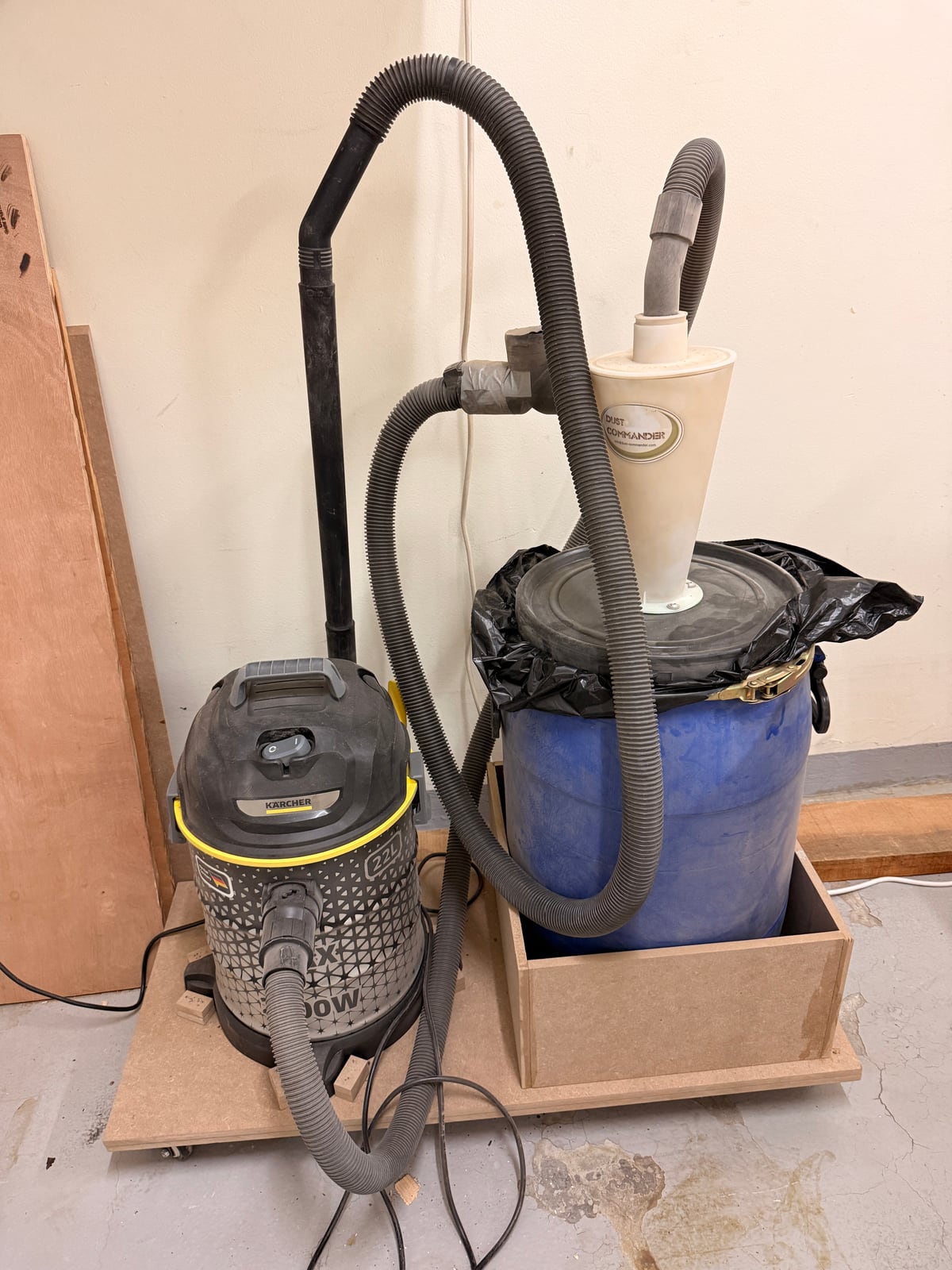
Dust Collector
Machine-level dust extraction, not a shop vacuum -- the difference is airflow volume, and it's the difference between a clean shop and one coated in fine dust.
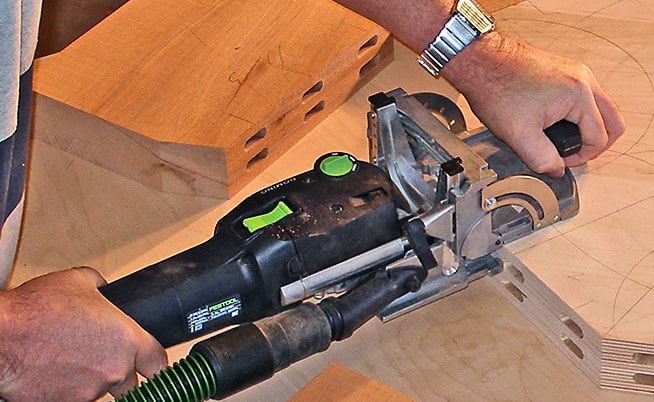
Festool Domino
A loose-tenon joiner that cuts a matched mortise in seconds -- the tool that made mortise-and-tenon joinery fast enough to actually use on everyday projects.
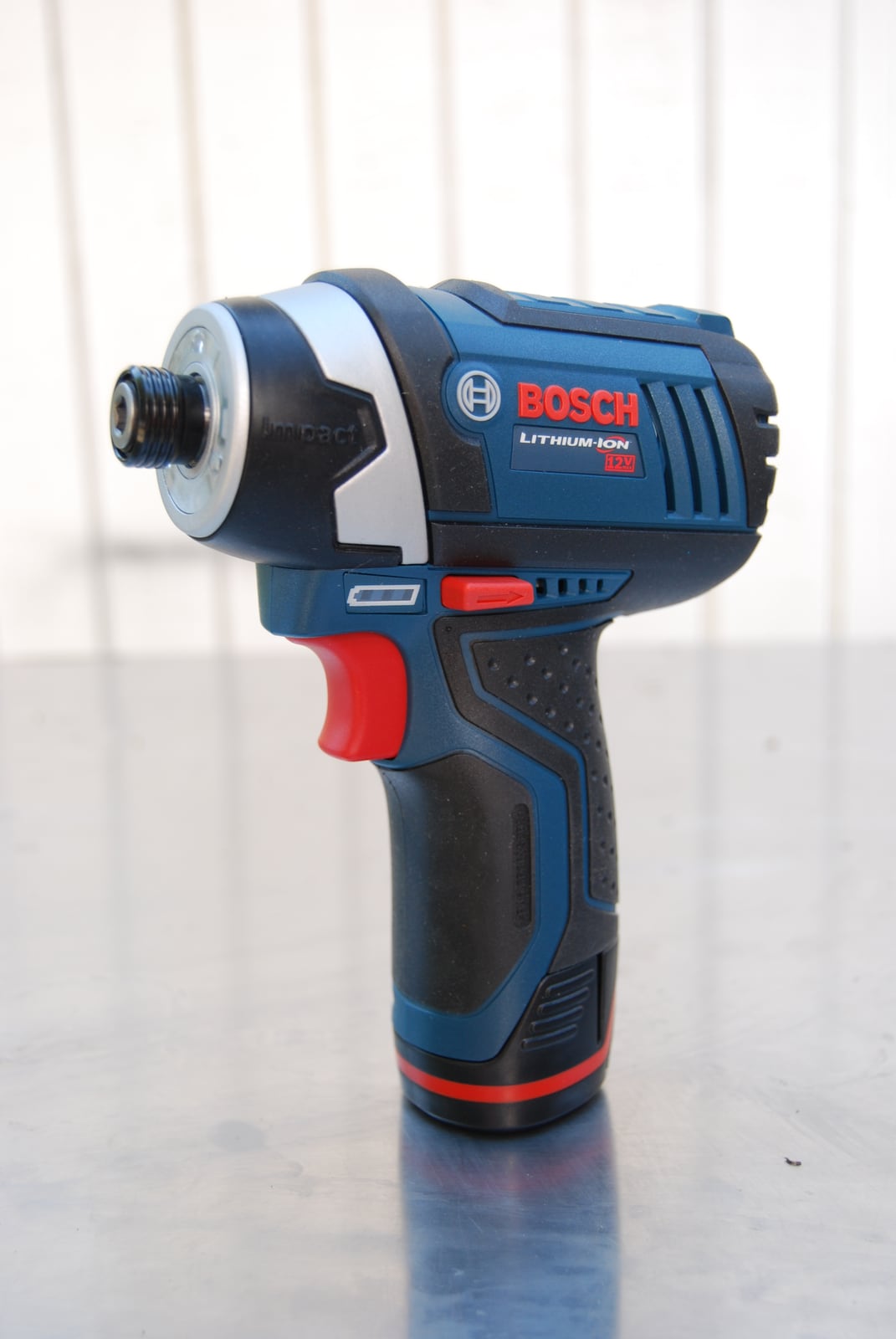
Impact Driver
A drill that gave up on being gentle -- rotational hammering blows instead of smooth torque, which drives long screws fast but makes it a poor choice for anything delicate.
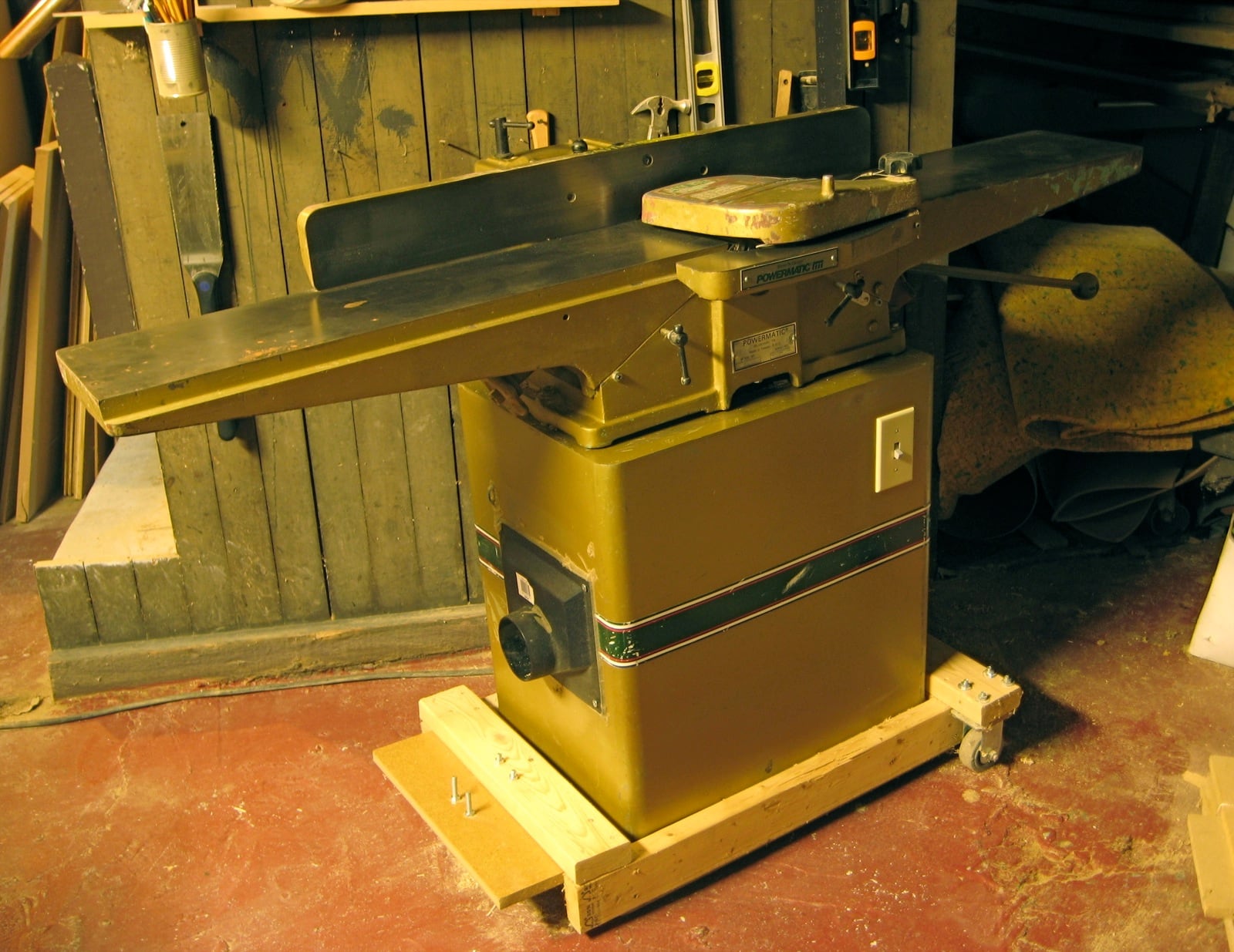
Jointer
The tool that actually makes a board flat -- a planer can't do it, no matter how many passes a twisted board runs through.
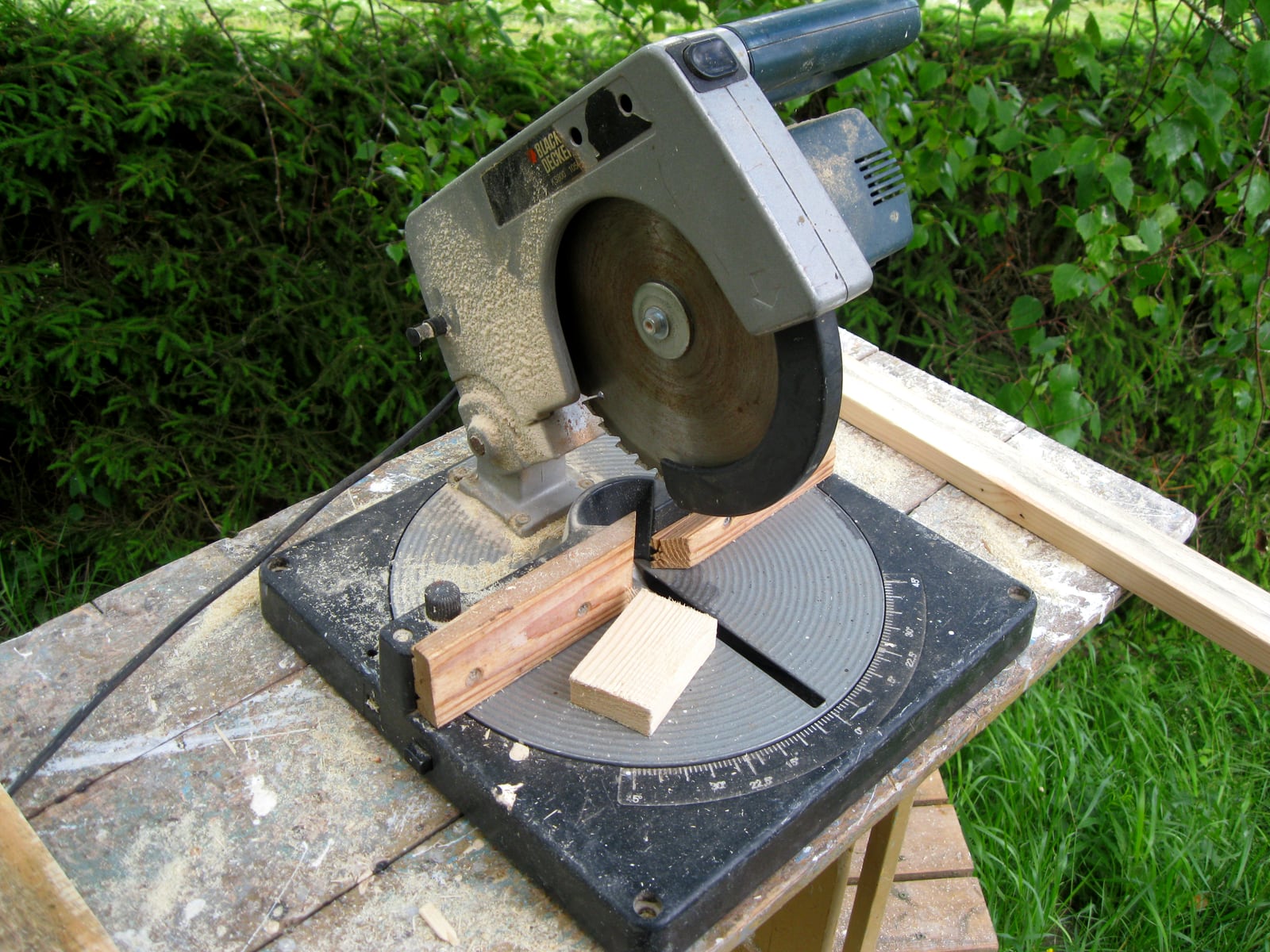
Miter Saw
A pivoting circular blade purpose-built for crosscuts and angle cuts -- ask anyone who's tried to crosscut trim on a table saw why this tool exists.
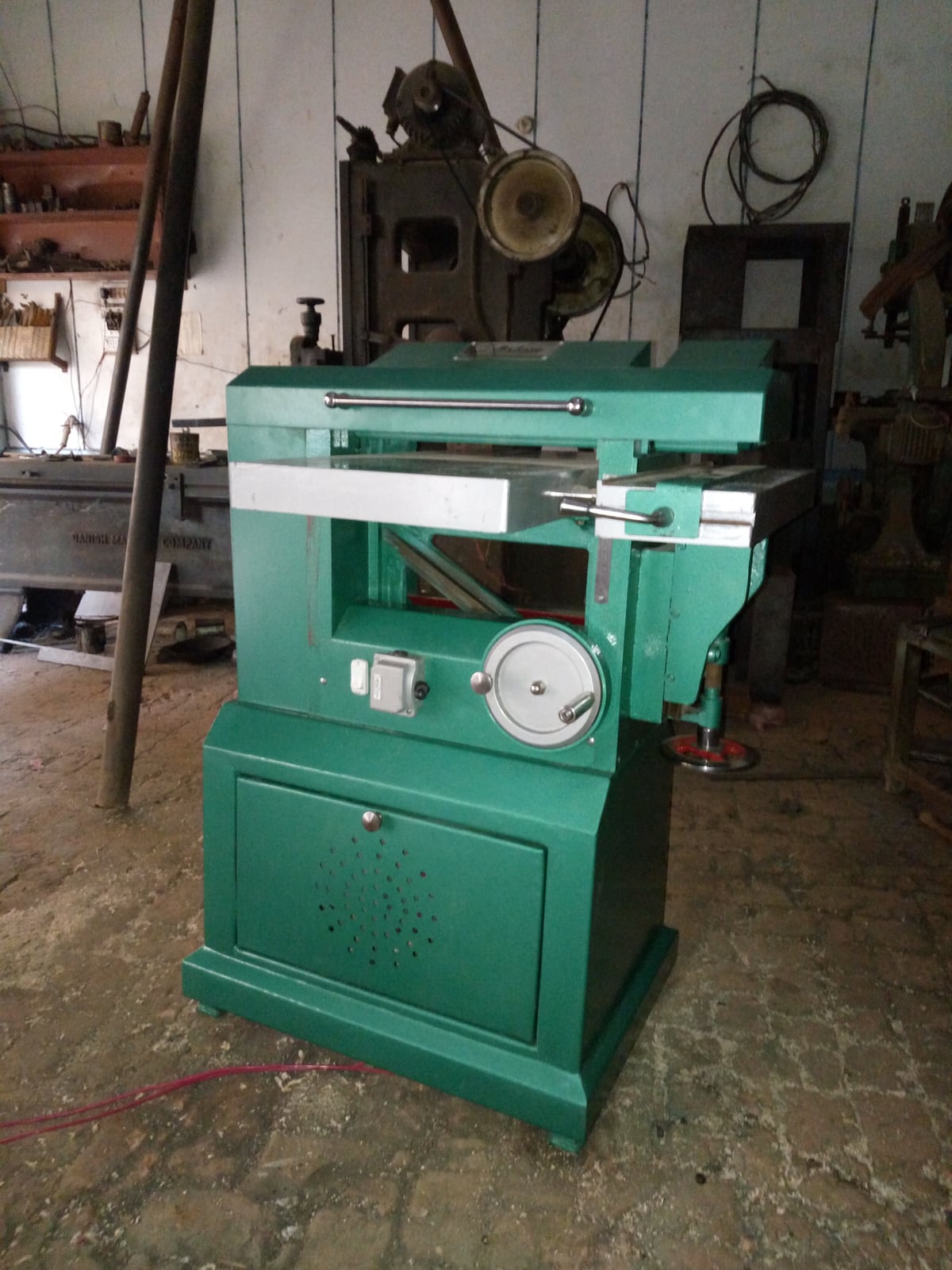
Planer
A thickness planer mills a board to a consistent thickness pass after pass -- it flattens nothing, it just faithfully reproduces whatever reference face you feed it.
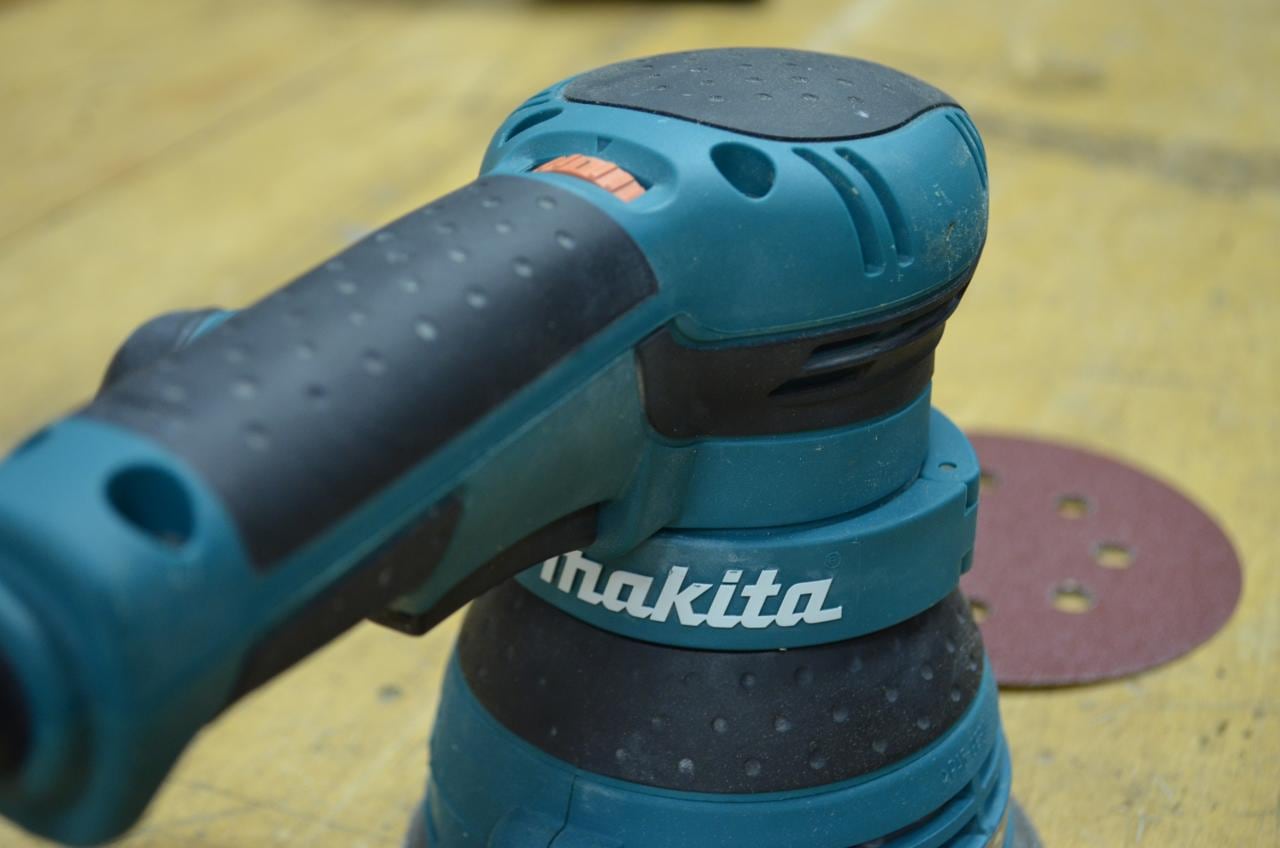
Random Orbital Sander
The sander that gets reached for the most in a furniture shop -- an eccentric, randomized orbit that sands aggressively without leaving the swirl marks a fixed-orbit sander does.
Router
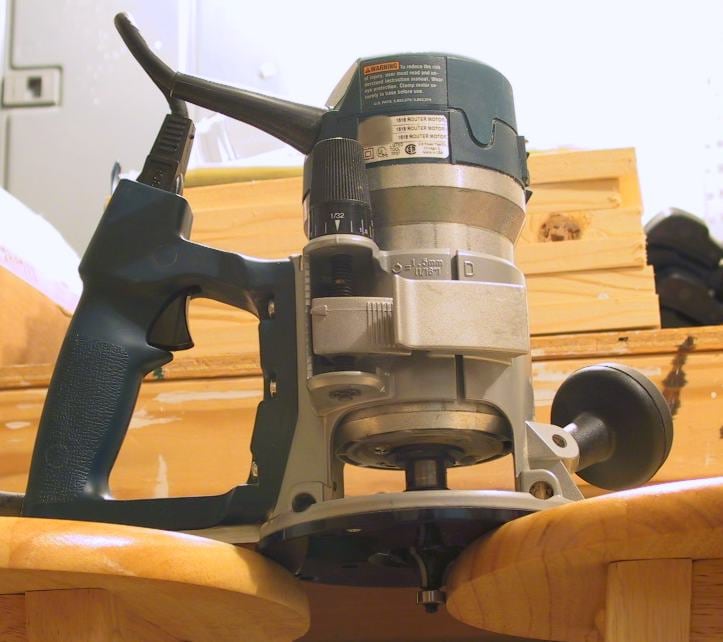
One tool, absurd range: swap the bit and it'll round an edge, cut a dado, hollow a mortise, or trim laminate flush, all at a speed that demands you pay attention.
Spindle Sander
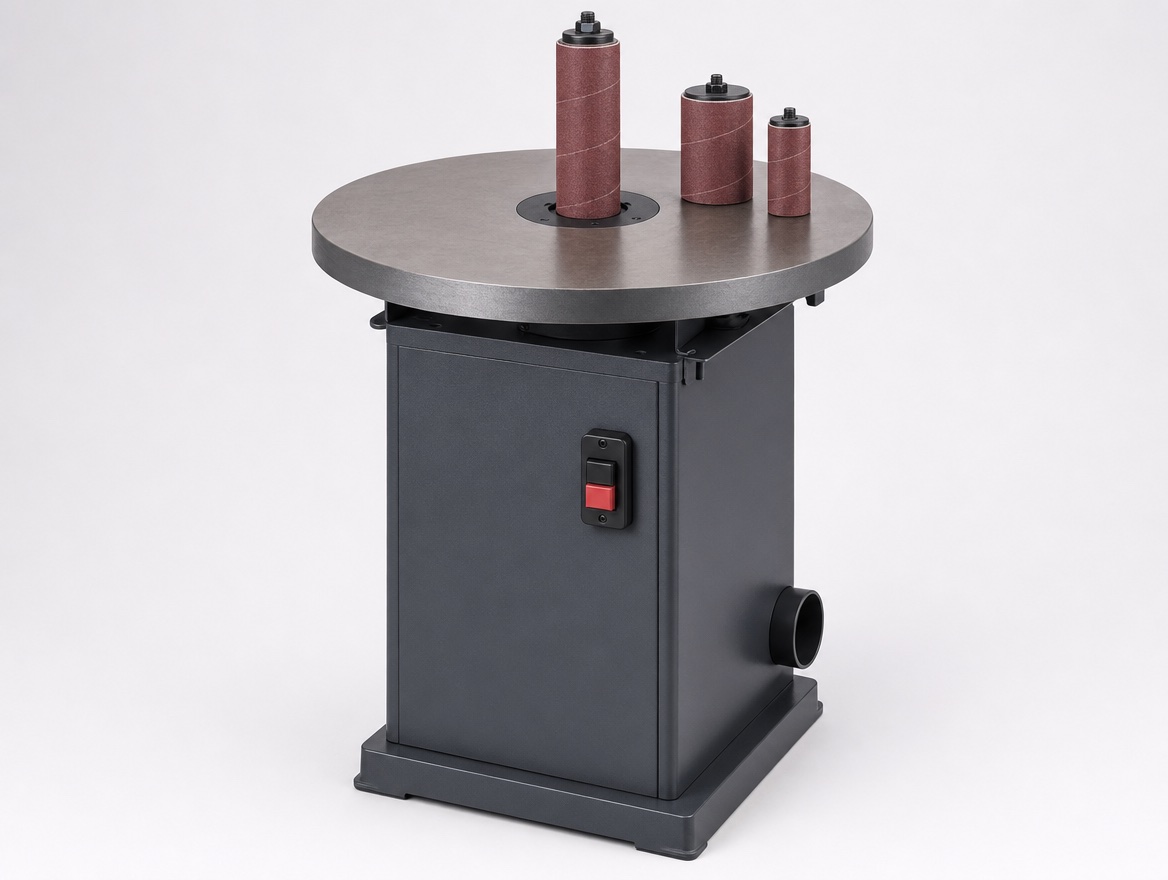
A stationary sander built for curves and edges a handheld sander can't get into cleanly -- the tool that turns cabriole legs and curved aprons from a chore into a non-issue.
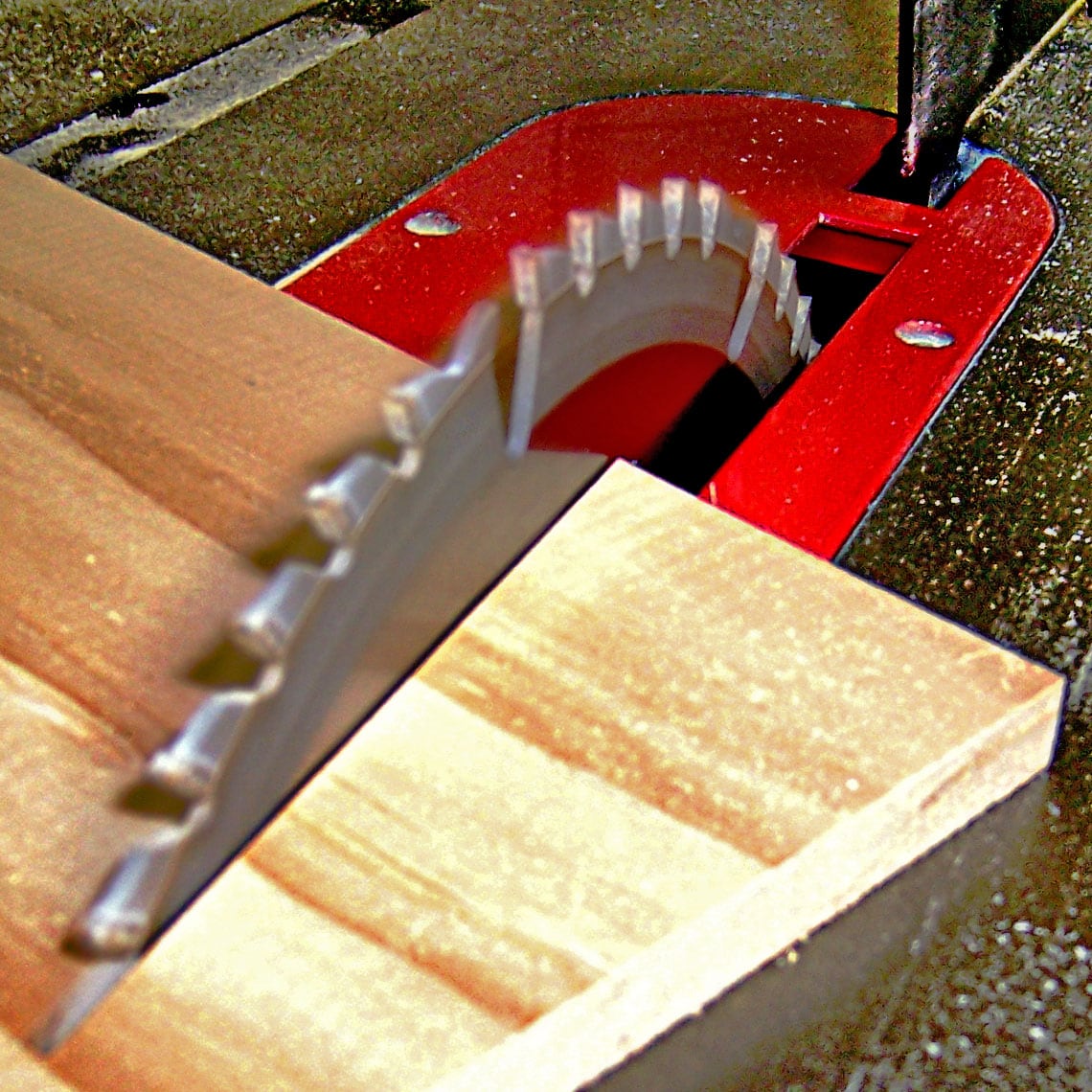
Table Saw
The tool most shops get built around -- a spinning blade poking up through a table, and the single most important machine to respect rather than fear.
Track Saw
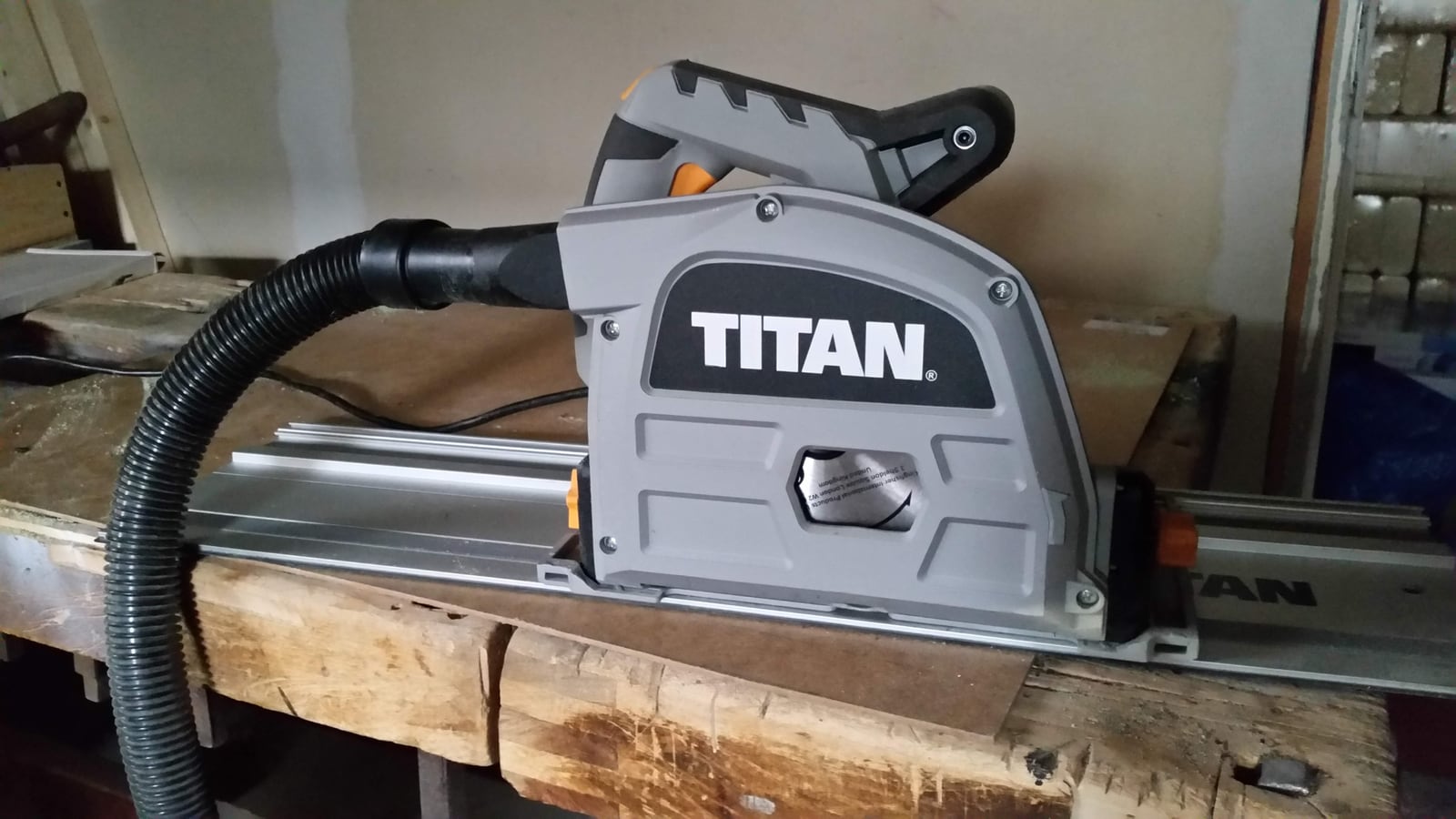
A circular saw that rides a straight aluminum rail instead of a fence you have to clamp and square yourself -- the tool that made cutting sheet goods on a workbench actually pleasant.