

Consumables

Glue, dowels, sanding discs, and the other stuff you keep buying.
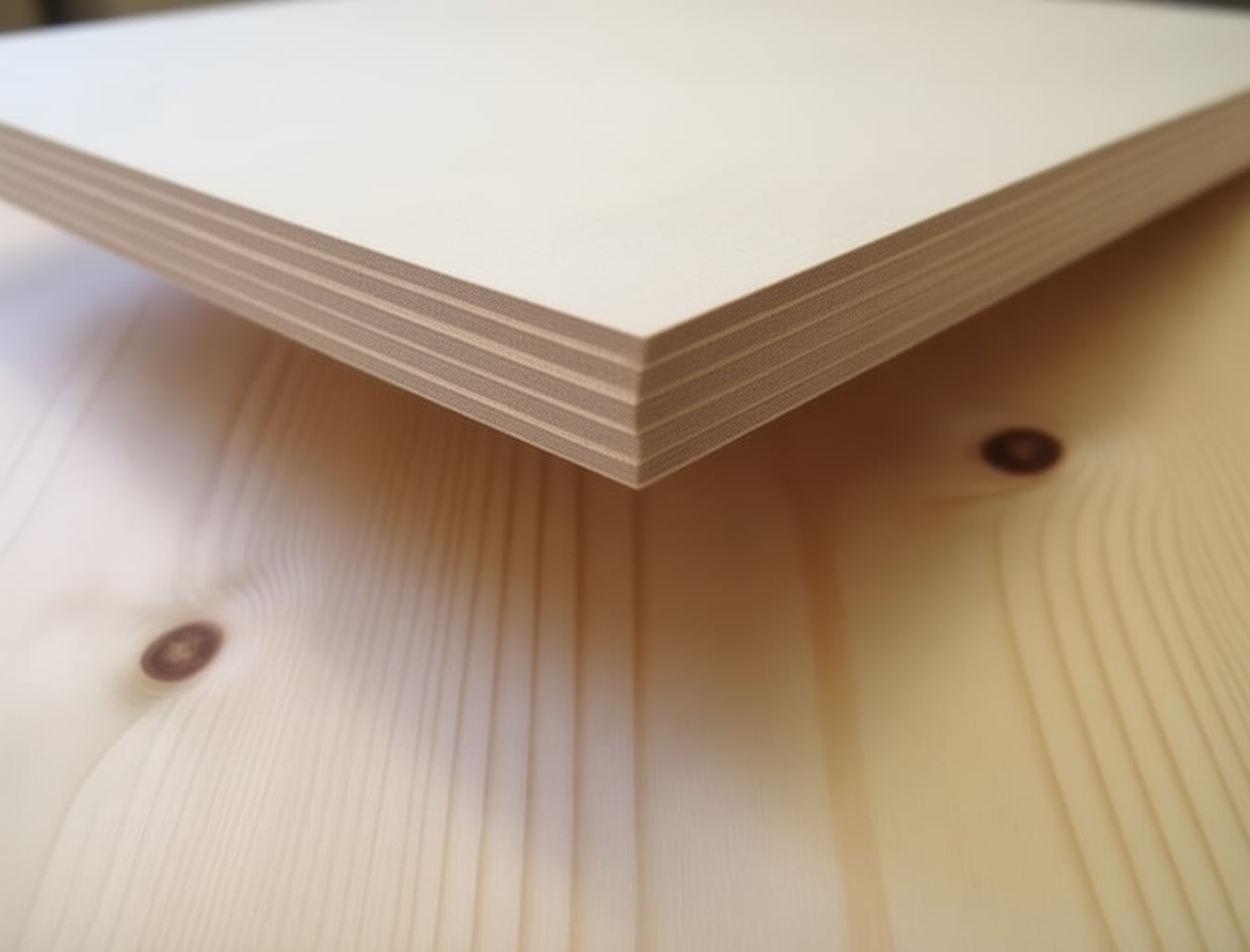
Baltic birch in section. The edge is the tell: many thin plies of even thickness with no voids, which is why it machines cleanly and will hold a screw driven into its edge.
Baltic Birch Plywood
Void-free, all-birch, all-veneer-core plywood -- the premium sheet good reached for whenever a plywood edge is going to actually show.
Boiled Linseed Oil
Linseed oil chemically treated to dry in hours instead of weeks -- the classic, inexpensive penetrating finish, and a genuine spontaneous-combustion fire risk if the used rags aren't handled right.
Contact Adhesive
Glue applied to both surfaces and allowed to dry before they touch -- bonds on contact with no clamping time, the standard way laminate gets applied to a substrate.
Dimensional Lumber
A 2x4 is neither 2 inches nor 4 inches -- it's 1 1/2 by 3 1/2, and that gap between the name and the tape measure isn't a defect, it's the whole system working as designed.
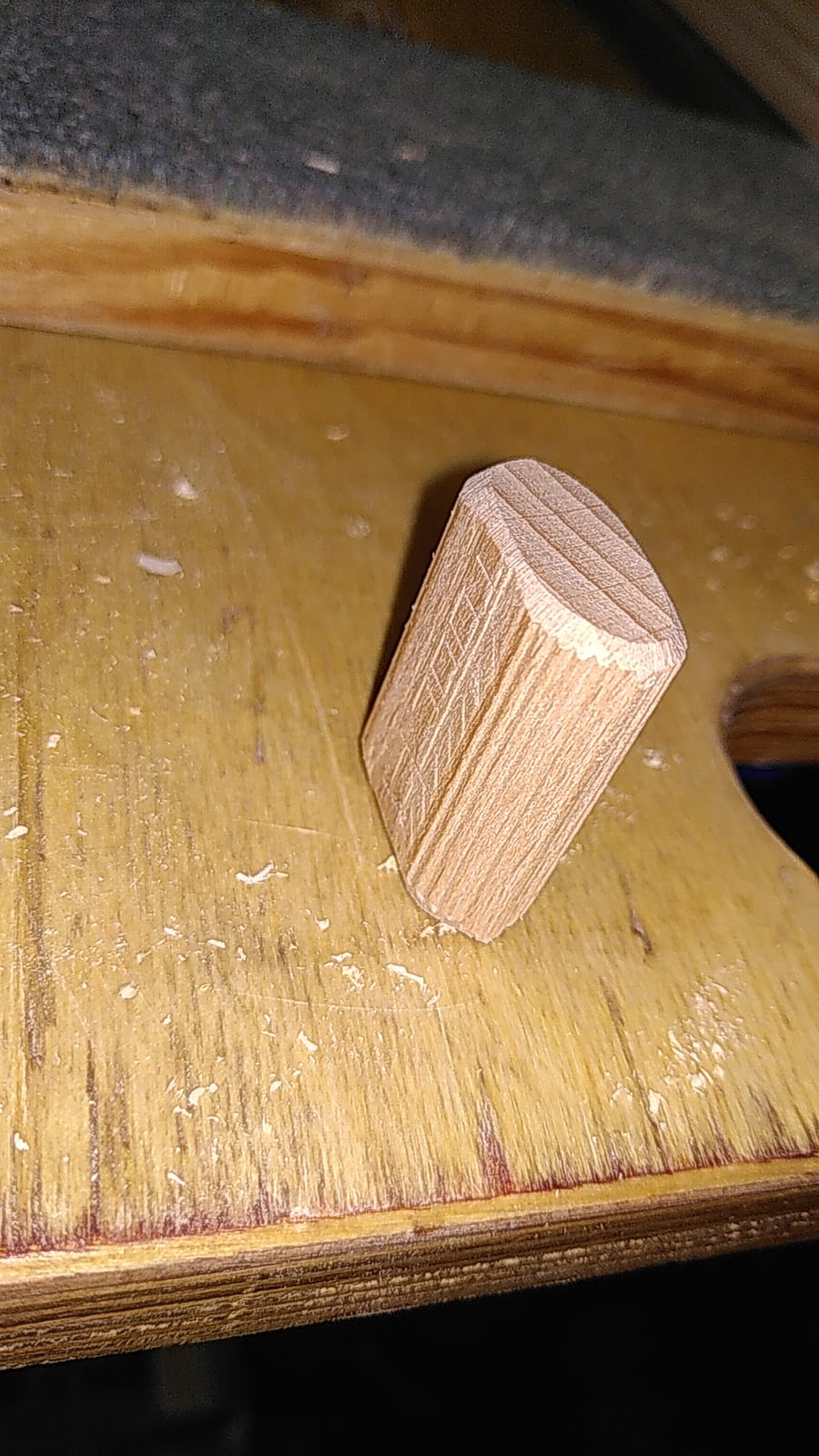
A loose Domino tenon. A stubby beech floating tenon with rounded ends, sized to the slot the machine cuts.
Dominos
The loose-tenon stock a Festool Domino joiner is built around -- not the tool itself, the little beech tablets that actually become the joint.
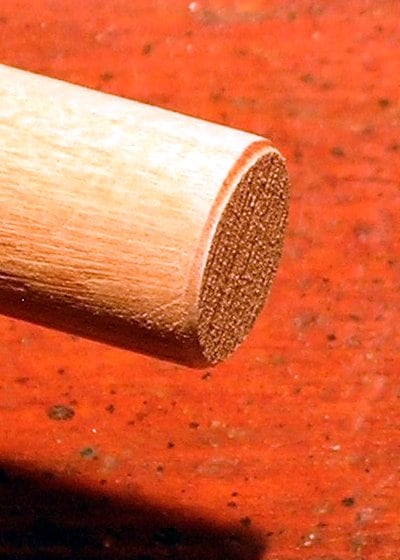
A wooden dowel with a chamfered end
Dowels
A round wooden peg, plain as it gets, and still one of the oldest reinforcement and alignment methods in the joinery toolbox.
Hardboard
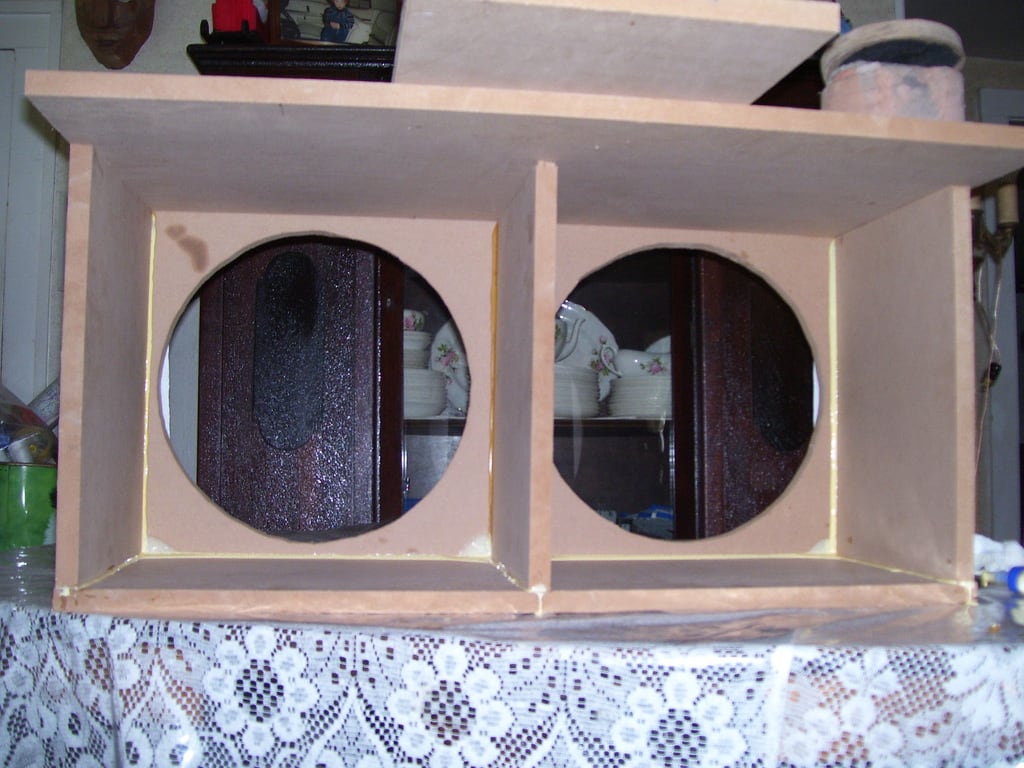
A dense, uniform panel pressed from wood fibers with no visible grain at all -- pegboard's material, and the classic cheap drawer-bottom sheet good.
Lacquer
A fast-drying film finish sprayed on in thin coats -- the classic factory furniture finish, prized for its speed and glossy build, but a solvent finish through and through.
A sheet of medium-density fiberboard
MDF (Medium Density Fiberboard)
Wood fibers pressed into an ultra-flat, grain-free panel -- paints like glass, machines cleanly, and dulls edges fast with its abrasive glue content.
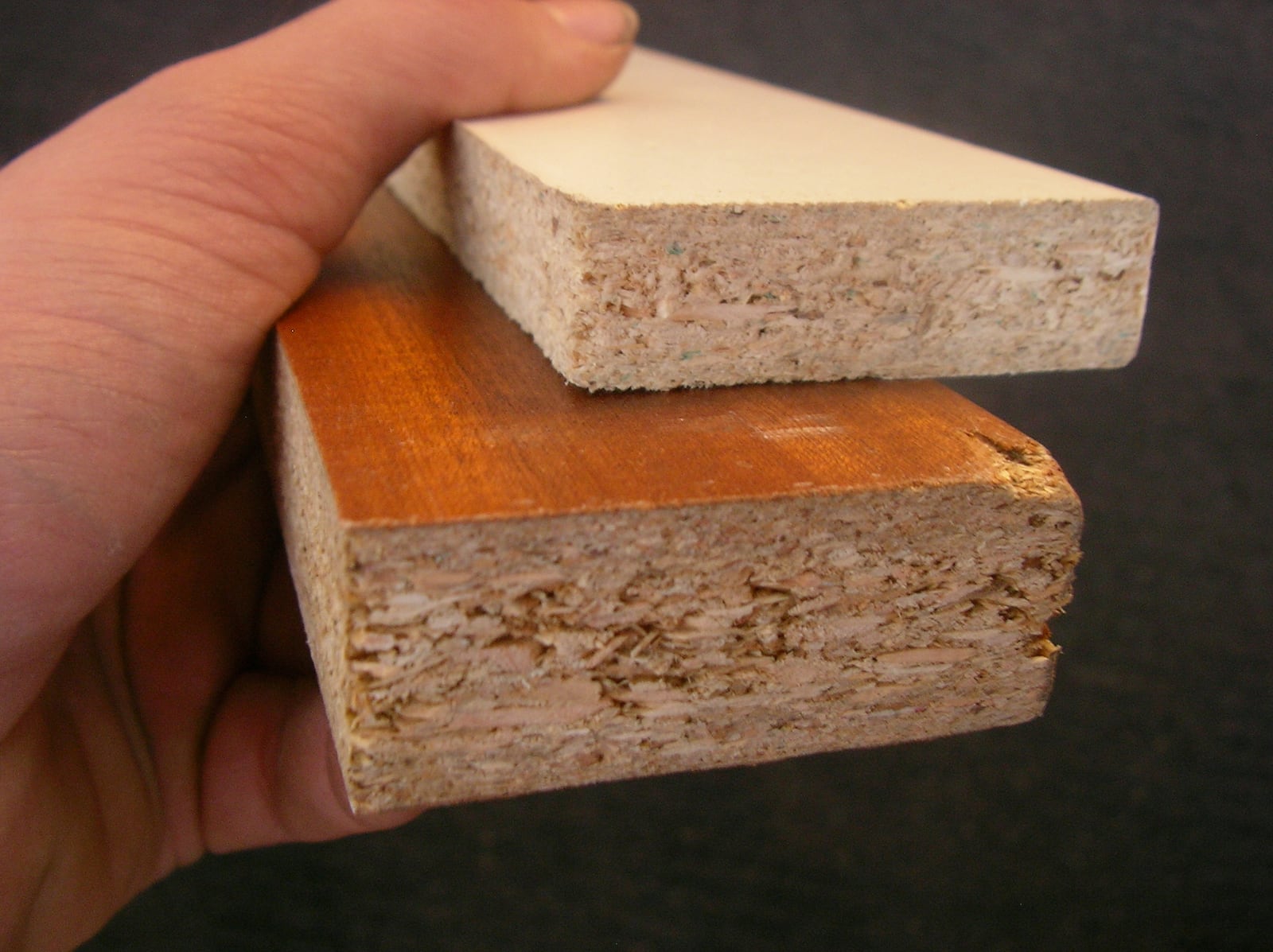
Particleboard in section -- wood chips and resin pressed into a board. The edge is the giveaway, and the reason it holds screws so poorly.
Particleboard
Wood chips and resin pressed into a flat panel -- the core material under most flat-pack furniture's laminate or veneer skin, cheap and heavy but genuinely weak at the fastener.
Polyurethane
The most common modern film finish -- a synthetic varnish, durable and easy to find, applied in more coats than oil finishes but needing far less maintenance afterward.
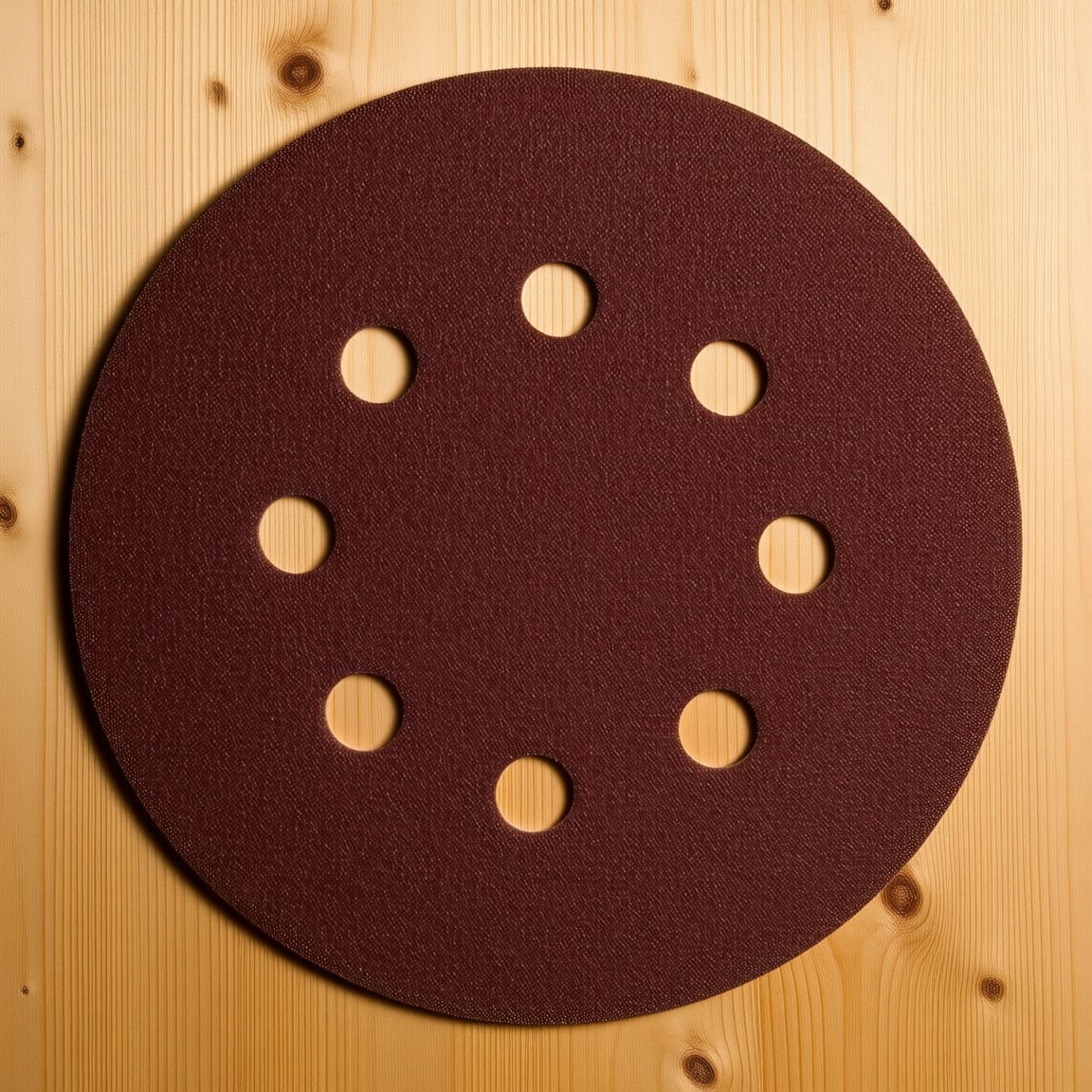
A hook-and-loop sanding disc. The ring of holes lines up with the sander’s extraction ports, which is most of the difference between cutting and clogging.
Sanding Discs
The actual abrasive that does the work while your random orbital sander gets all the credit -- and the consumable most people underspend on relative to how much it affects results.
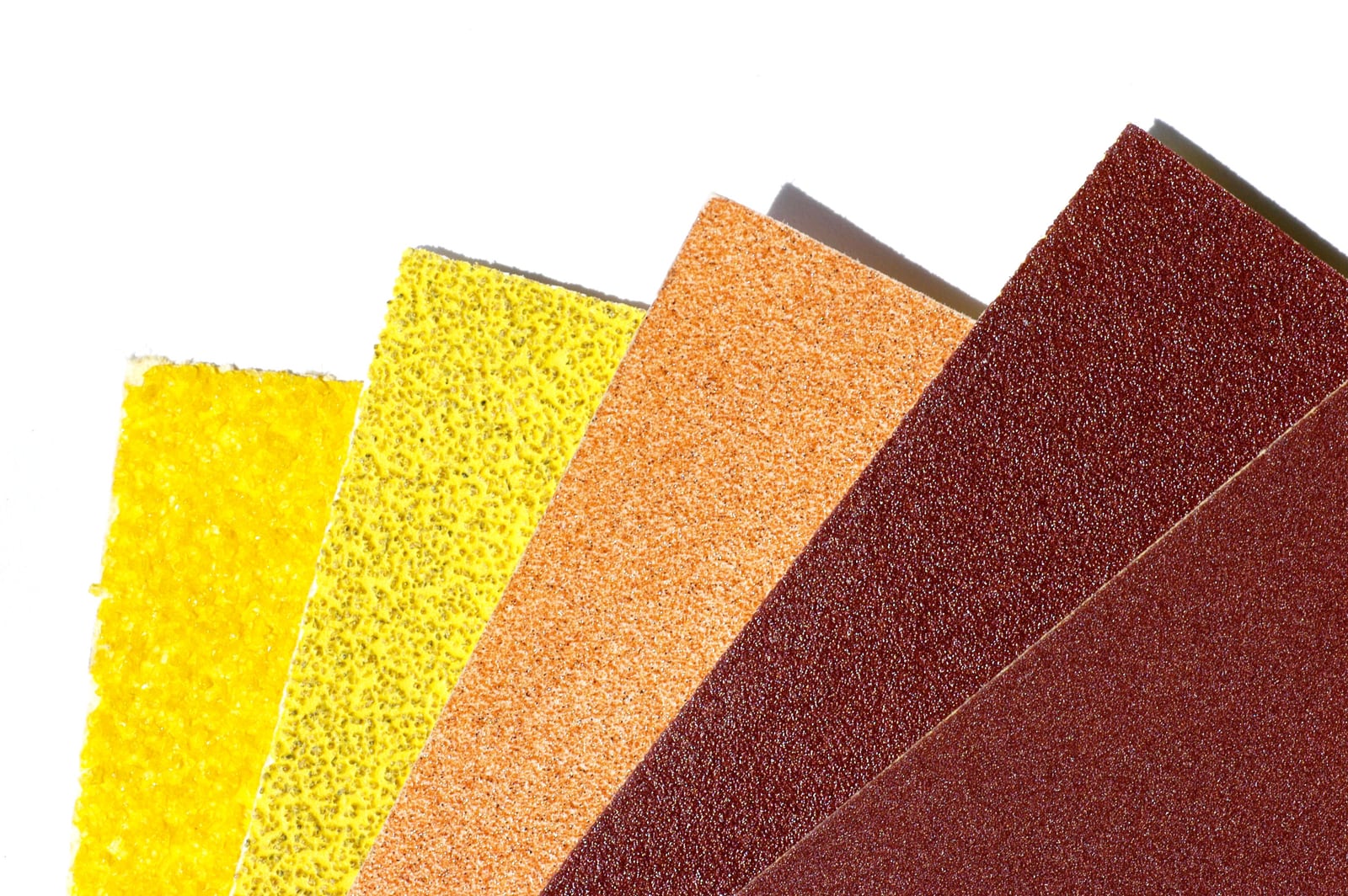
Four grits, coarse to fine. Each one has to remove the scratches the last one left, which is why skipping grits costs more time than it saves.
Sandpaper Sheets
Flat abrasive sheets for hand sanding and sanding blocks -- distinct from Sanding Discs' round, hook-and-loop form factor for power sanders.
Shellac
A finish made from secreted resin, dissolved in alcohol -- fast-drying, food-safe once cured, and the traditional sealer under nearly any other finish.
Threaded Inserts
A metal insert that gives soft, grain-inconsistent wood a real machine-thread socket -- so a bolt can be removed and reinstalled dozens of times without chewing up the hole.
Varnish
An oil-and-resin film finish that cures by a slow chemical reaction with air -- more durable and more UV-resistant than lacquer or shellac, at the cost of a much longer dry time.
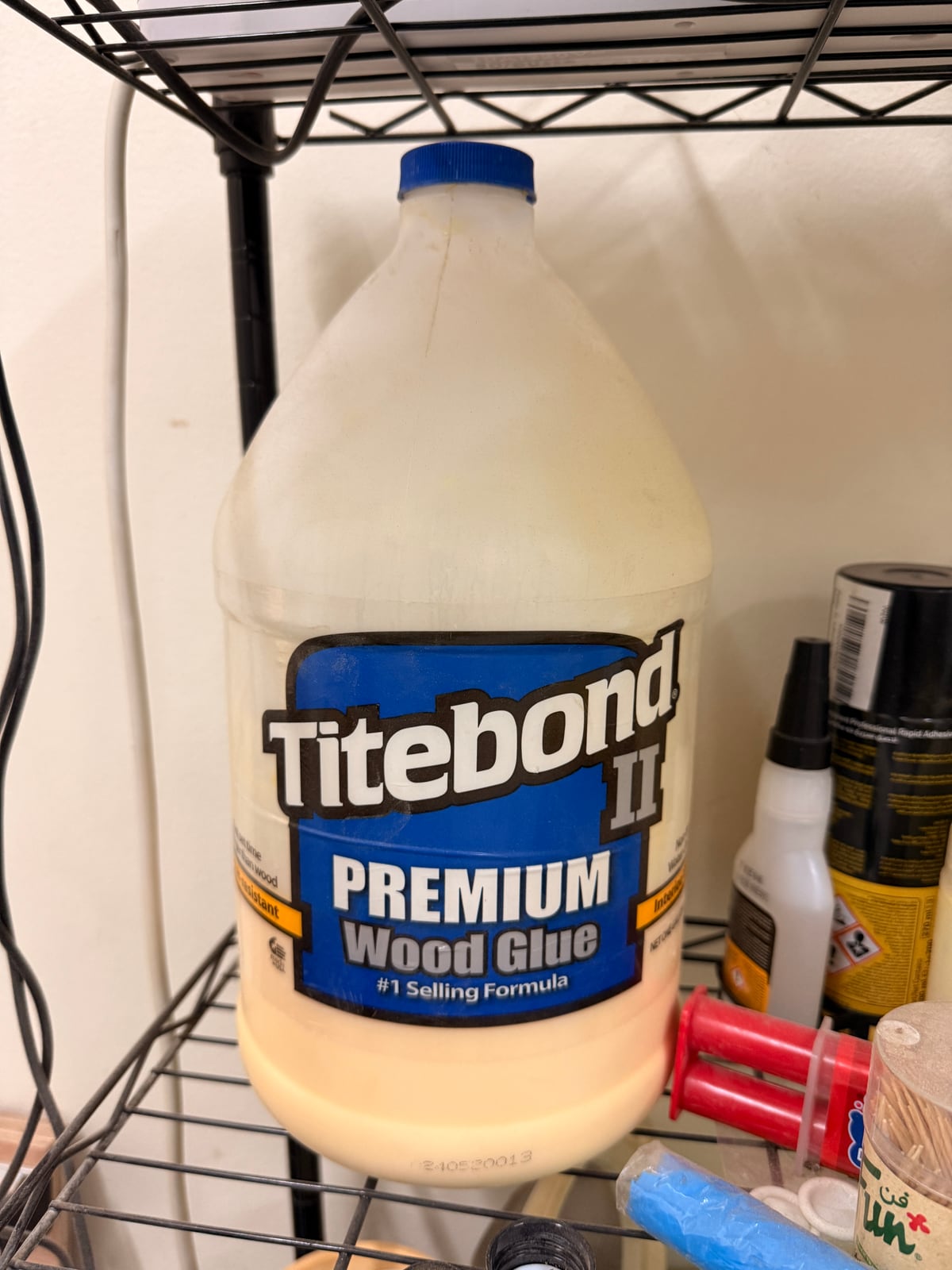
A gallon of Titebond II. Buying PVA by the gallon and decanting into a small bottle costs a fraction of replacing squeeze bottles.
Wood Glue
A properly glued joint, done right, is often stronger than the wood around it -- the wood fails before the glue line does. That's a genuinely high bar, and most glue failures are technique, not the glue.