

Accessories
Jigs, squares, bits, and other shop accessories.
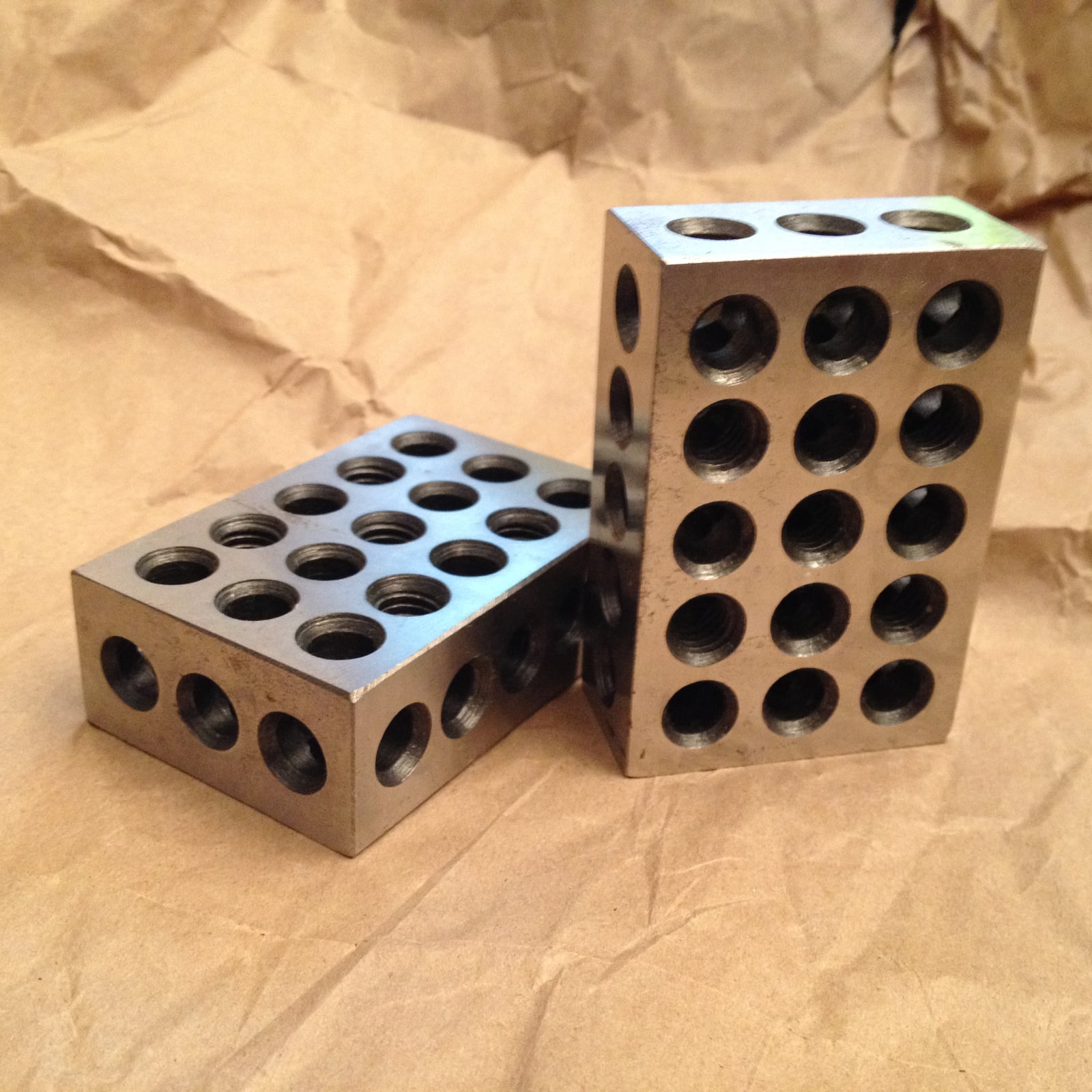
1-2-3 Blocks
Precision-ground steel blocks that are exactly 1 by 2 by 3 inches, on every face, to a tolerance most woodworking projects will never actually need -- and that's exactly why they're useful.
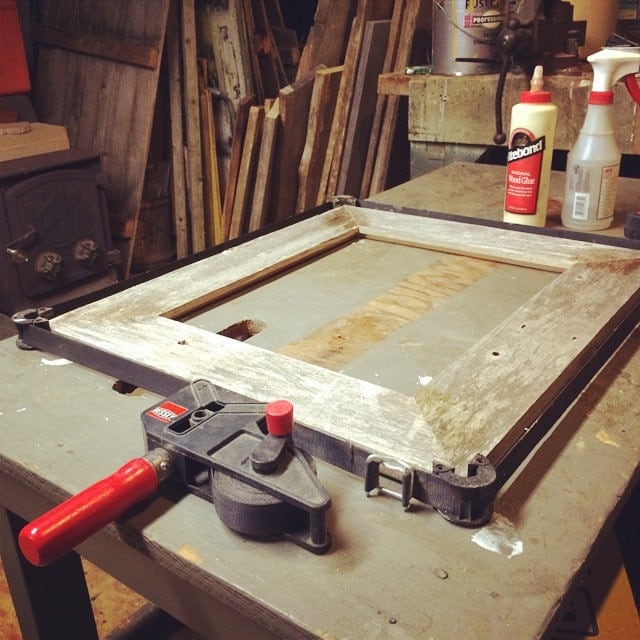
Band Clamps (Strap Clamps)
A woven strap that wraps an entire assembly and cinches tight with a ratcheting buckle -- the only practical way to clamp something round, hexagonal, or mitered from every side at once.
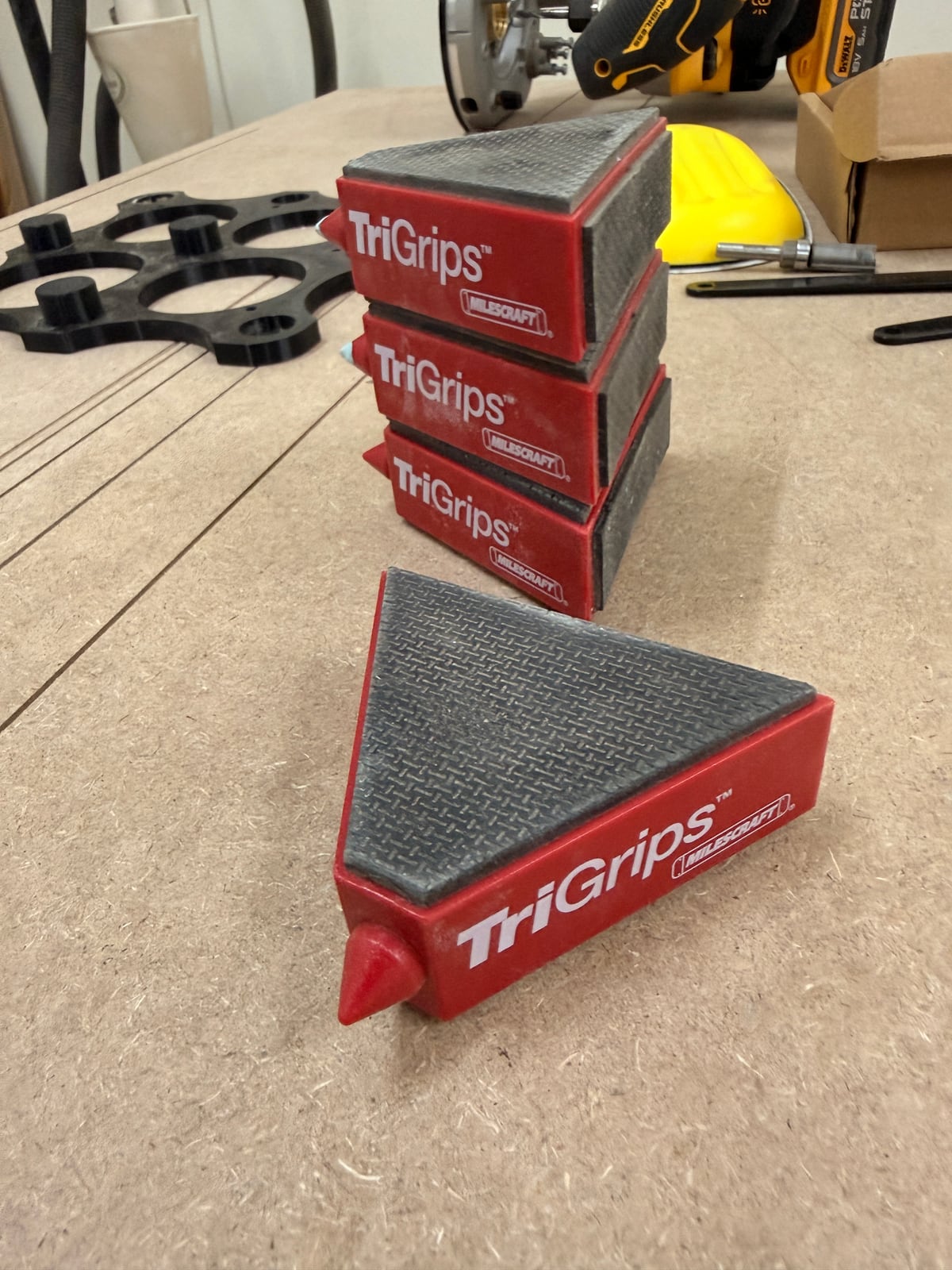
Bench Cookies / Work Grippers
Grippy pads that lift a workpiece off the bench and stop it sliding, so you can rout, sand or finish an edge without clamps in the way.
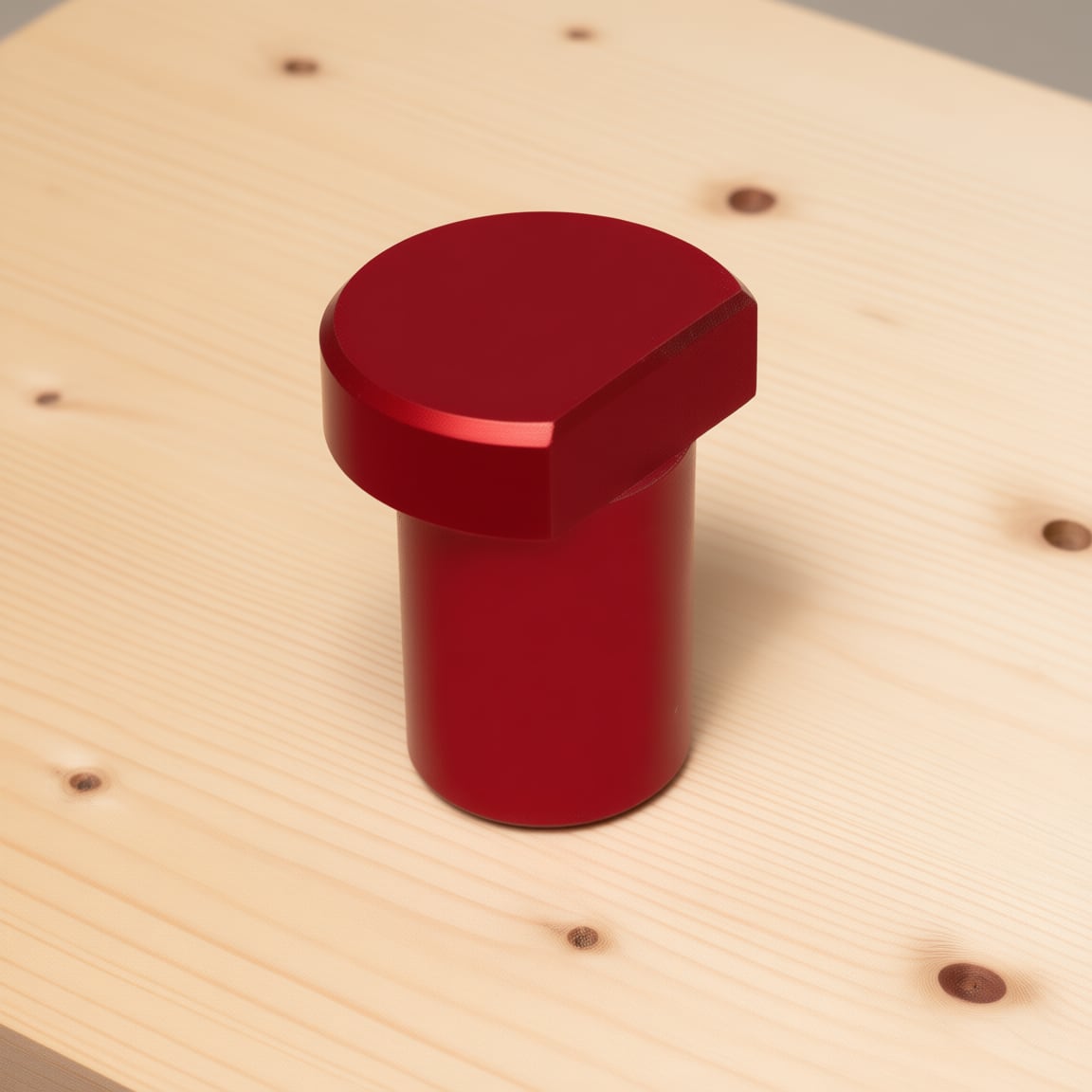
Bench Dog
A peg or stop set into a workbench top -- paired with a vise or another dog to clamp a workpiece flat on the bench without a single clamp in sight.
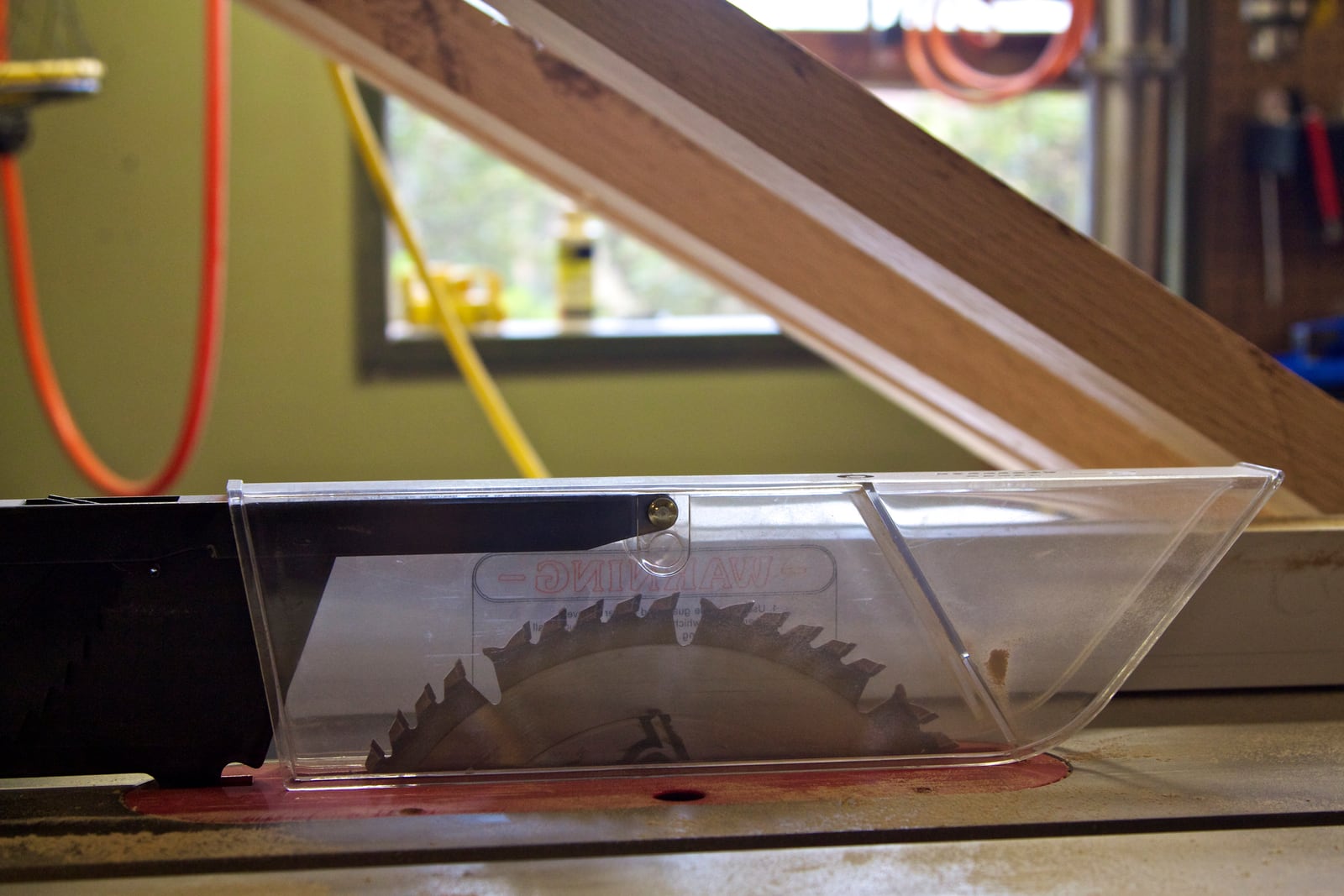
Blade Guard
The clear cover shielding a spinning blade from above -- the safety feature most often removed for a cut it genuinely can't accommodate, and the one worth putting straight back on after.
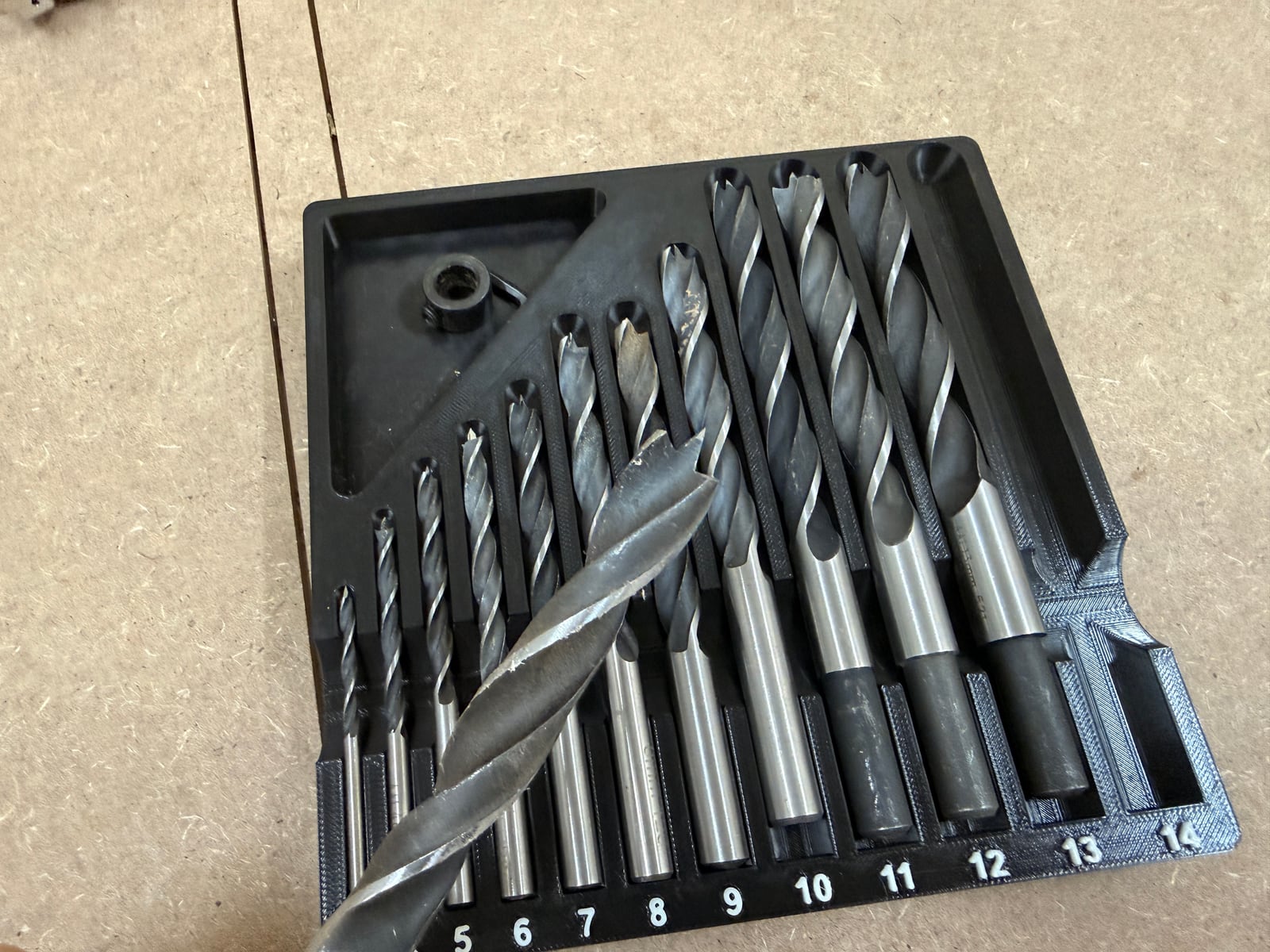
Brad Point Bits
A standard twist drill bit wanders on wood grain before it starts cutting -- a brad point bit's center spur keeps it exactly where you put it.
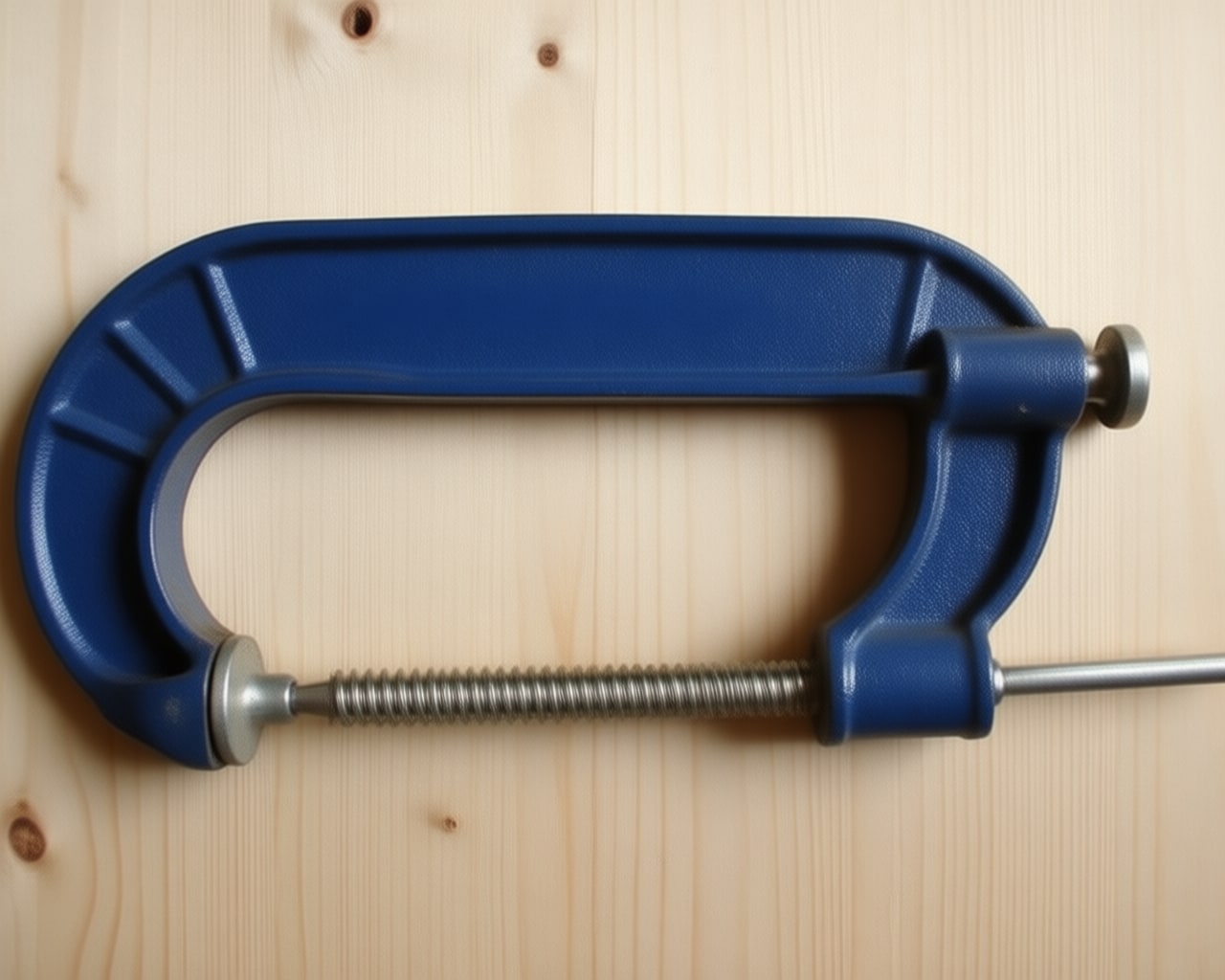
C-Clamps
A C-shaped steel frame with a screw driving straight down onto the work -- high force in a small footprint, at the cost of reach.
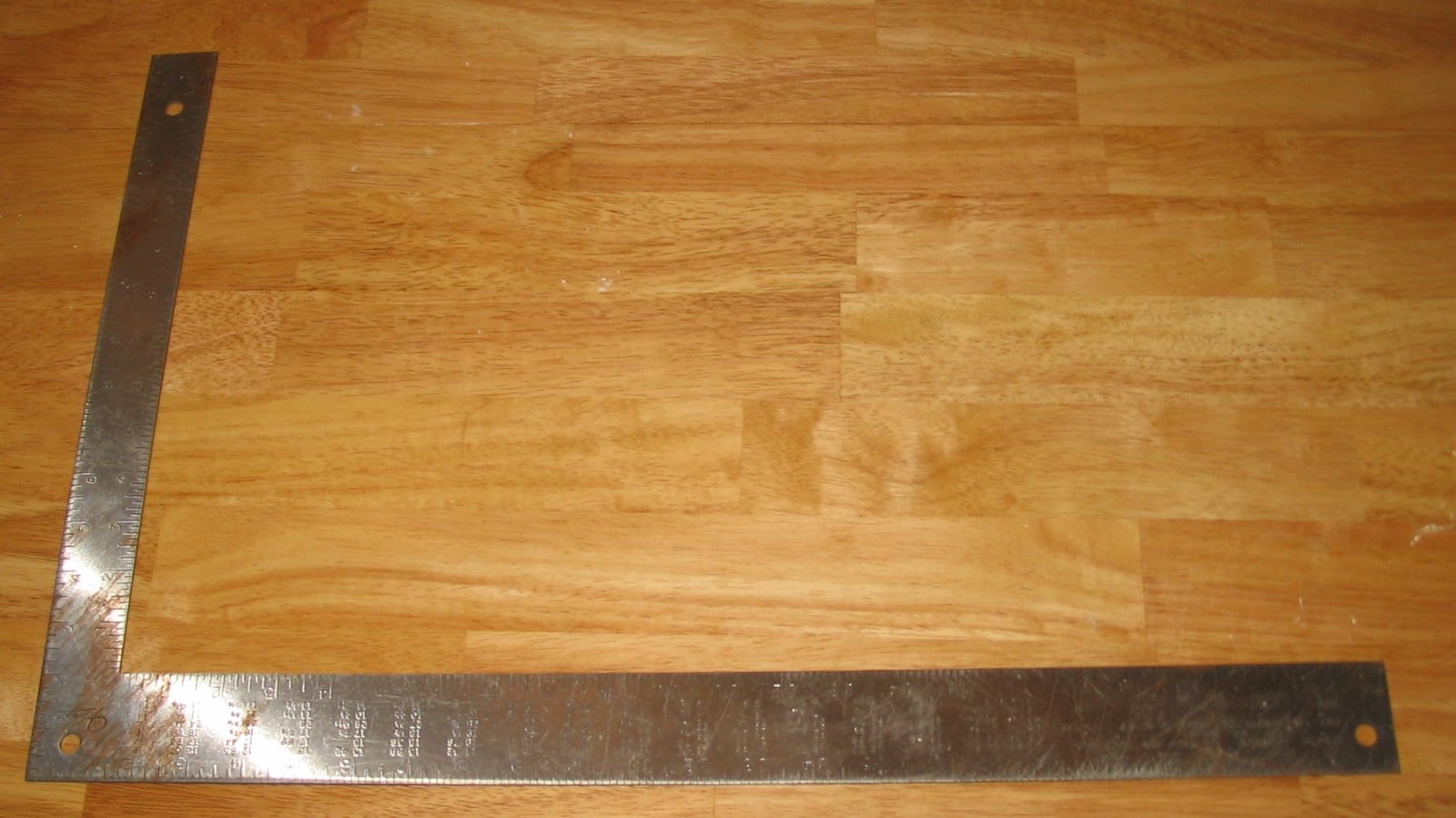
Carpenter Squares
A large flat L-shaped square that's less about checking 90 degrees and more about laying out stairs, rafters, and anything with a rise-over-run angle baked into it.
Combination Square
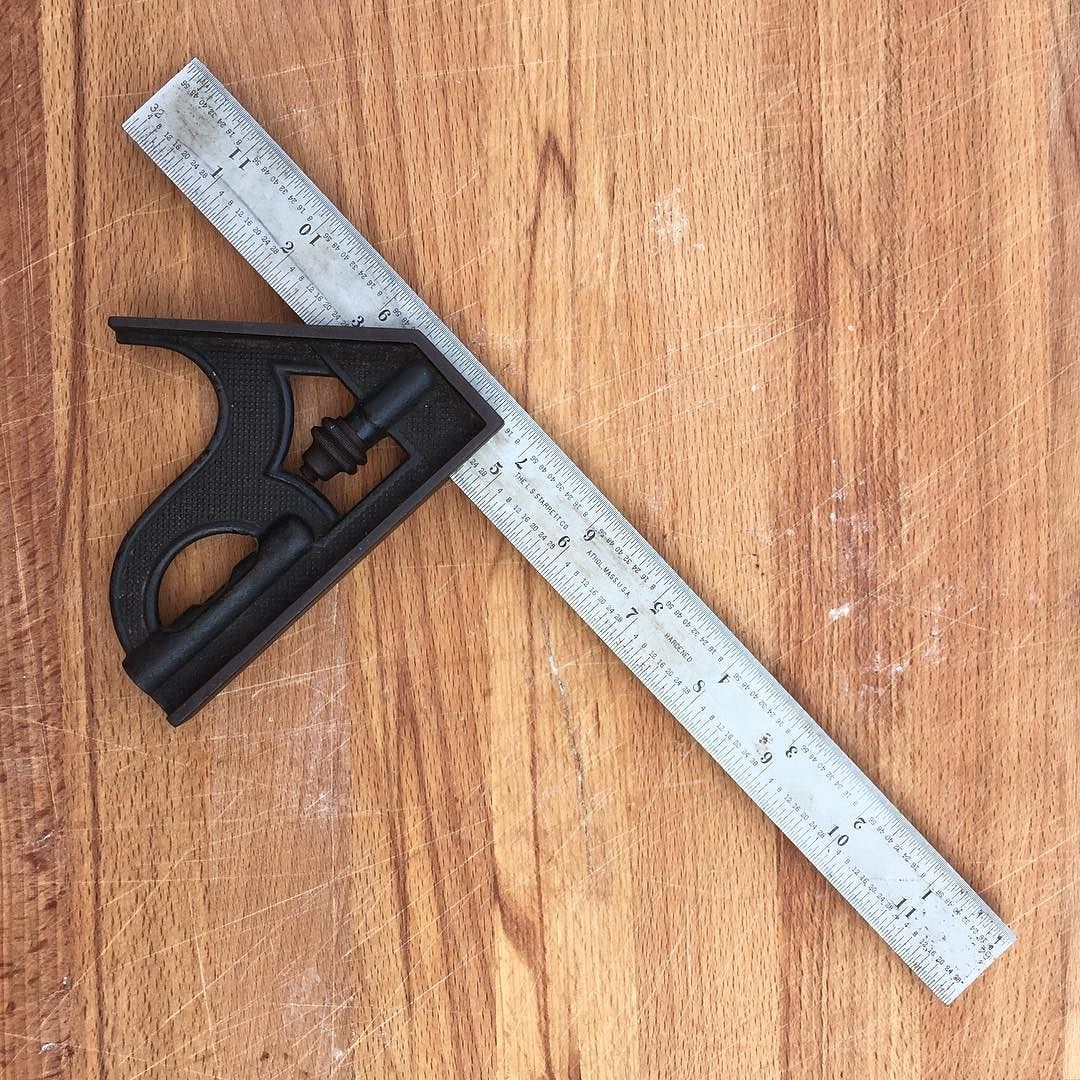
A ruled blade sliding through an adjustable head -- checks 90 and 45 degrees, marks depth, and doubles as a basic ruler, in one tool.
Corner Radius Templates
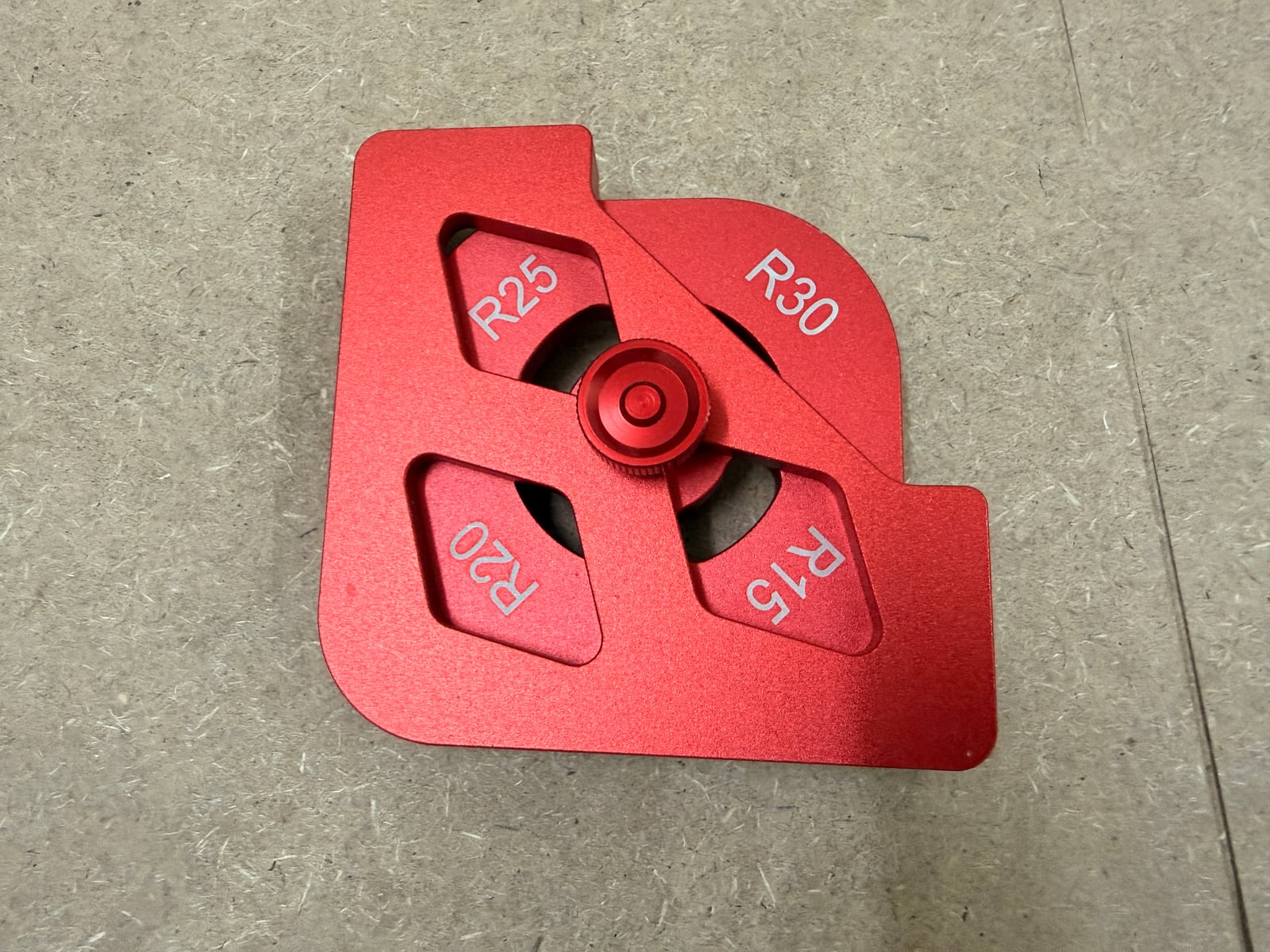
A plate with several known radii cut into it, for routing a consistent rounded corner instead of eyeballing one with a sander.
Digital Angle Gauge
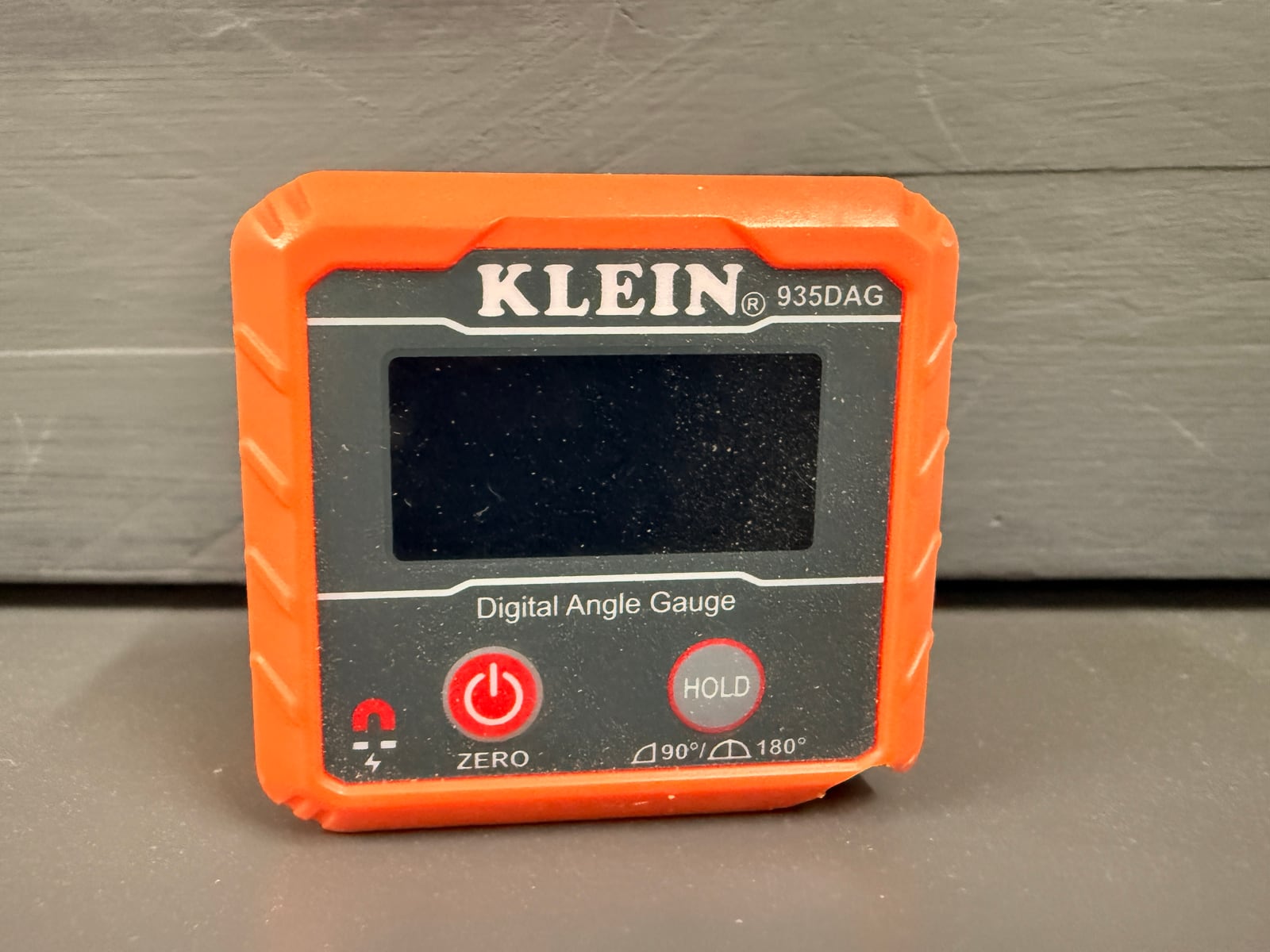
A magnetic box that reads an angle to a tenth of a degree. The fastest way to set a saw blade to a genuine 90 or 45 rather than to whatever the factory scale claims.
Dowel Makers
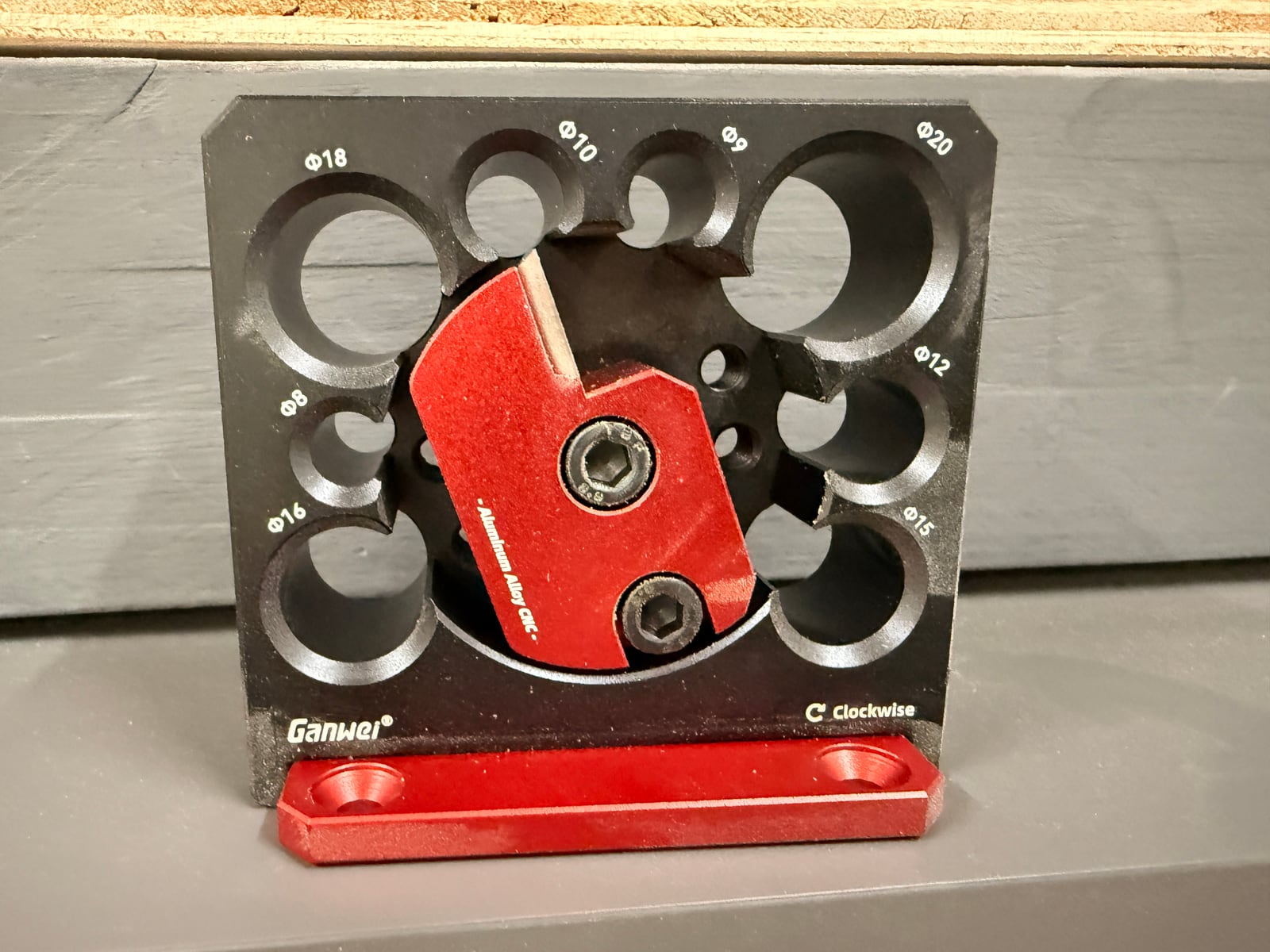
A plate of graduated cutting holes that turns a roughly-shaped stick into a round dowel -- so offcuts of the wood you are actually using become the dowels for it.
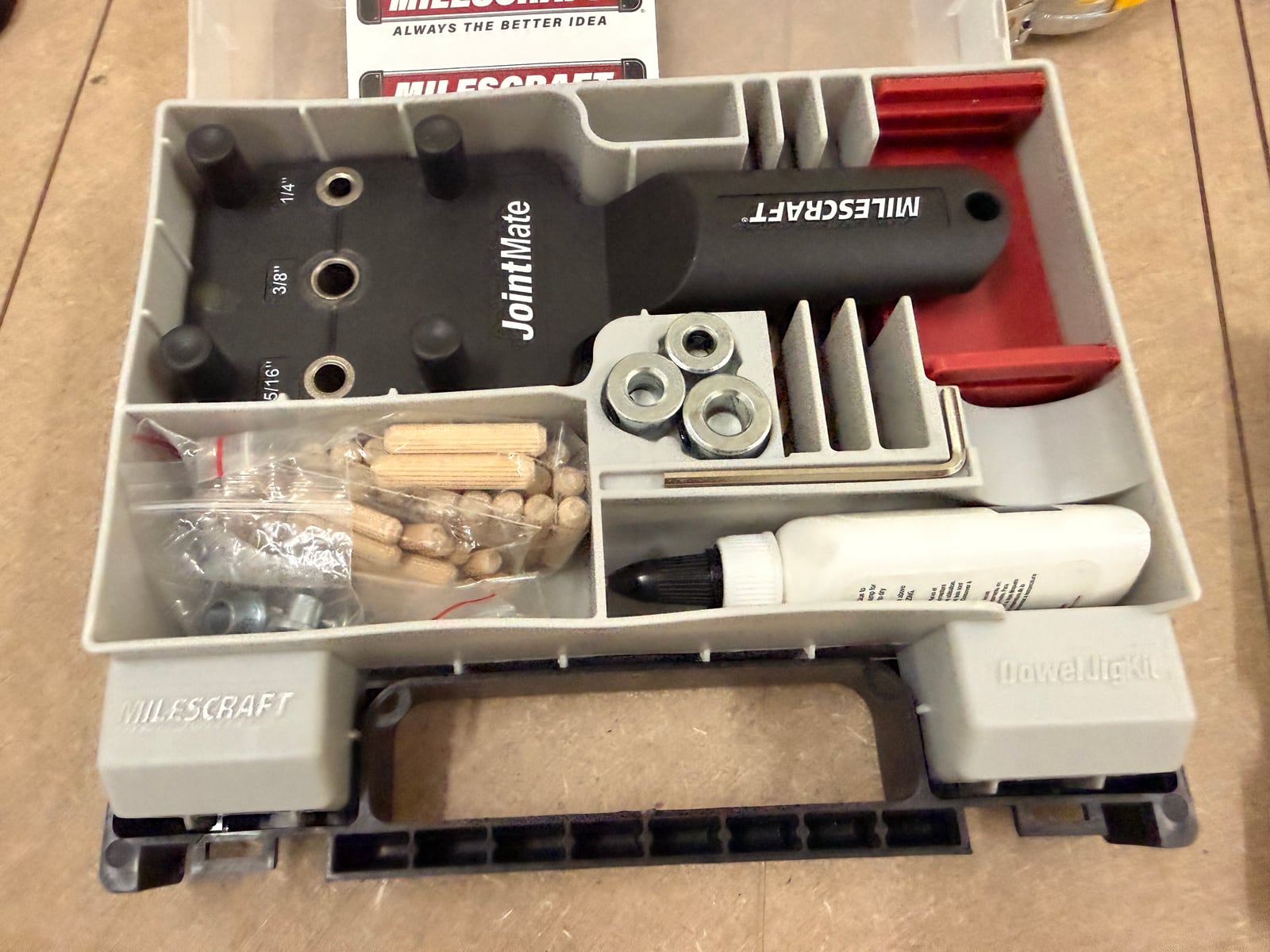
Doweling Jigs
Holds a drill bit square and on-centre so two boards get holes that actually line up -- the difference between dowel joinery working and dowel joinery being a nightmare.
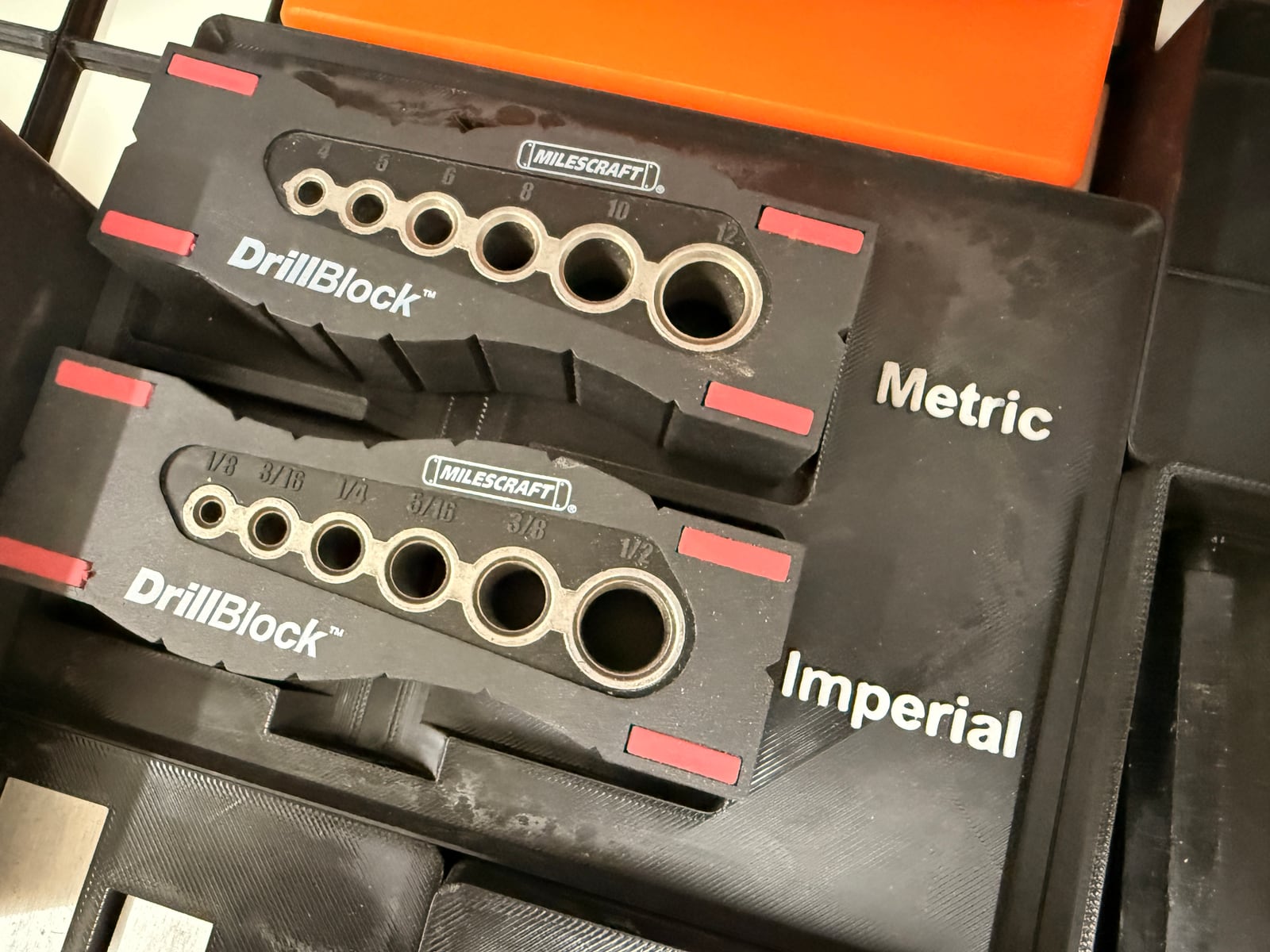
Drill Guide Blocks
A steel-lined block that holds a drill bit square to the surface. Not as good as a drill press, dramatically better than your wrist, and it fits in a drawer.
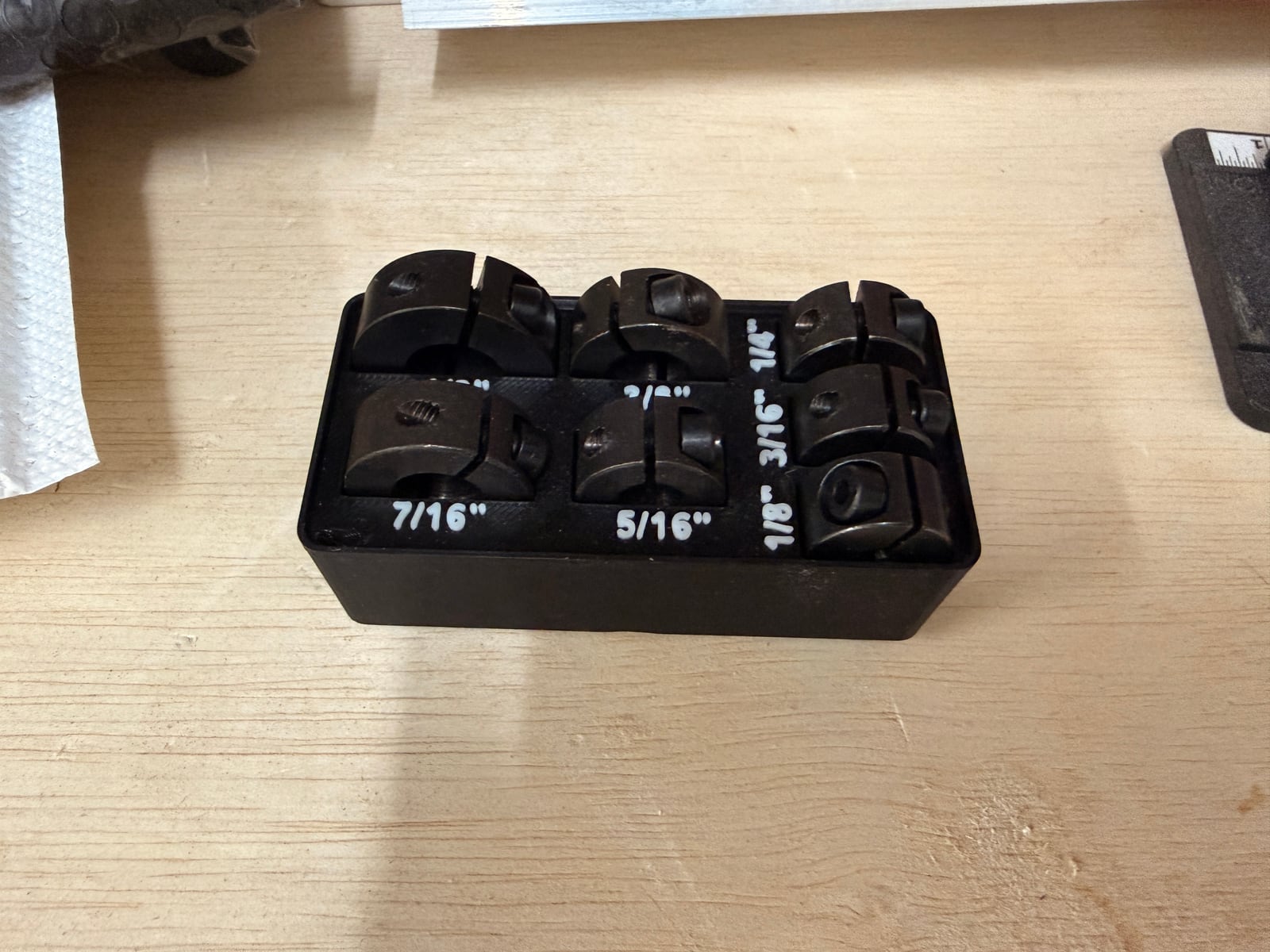
Drill Stop Collars
A split ring that clamps to a drill bit and physically stops it going deeper. The cheapest possible insurance against drilling through the front of a finished panel.
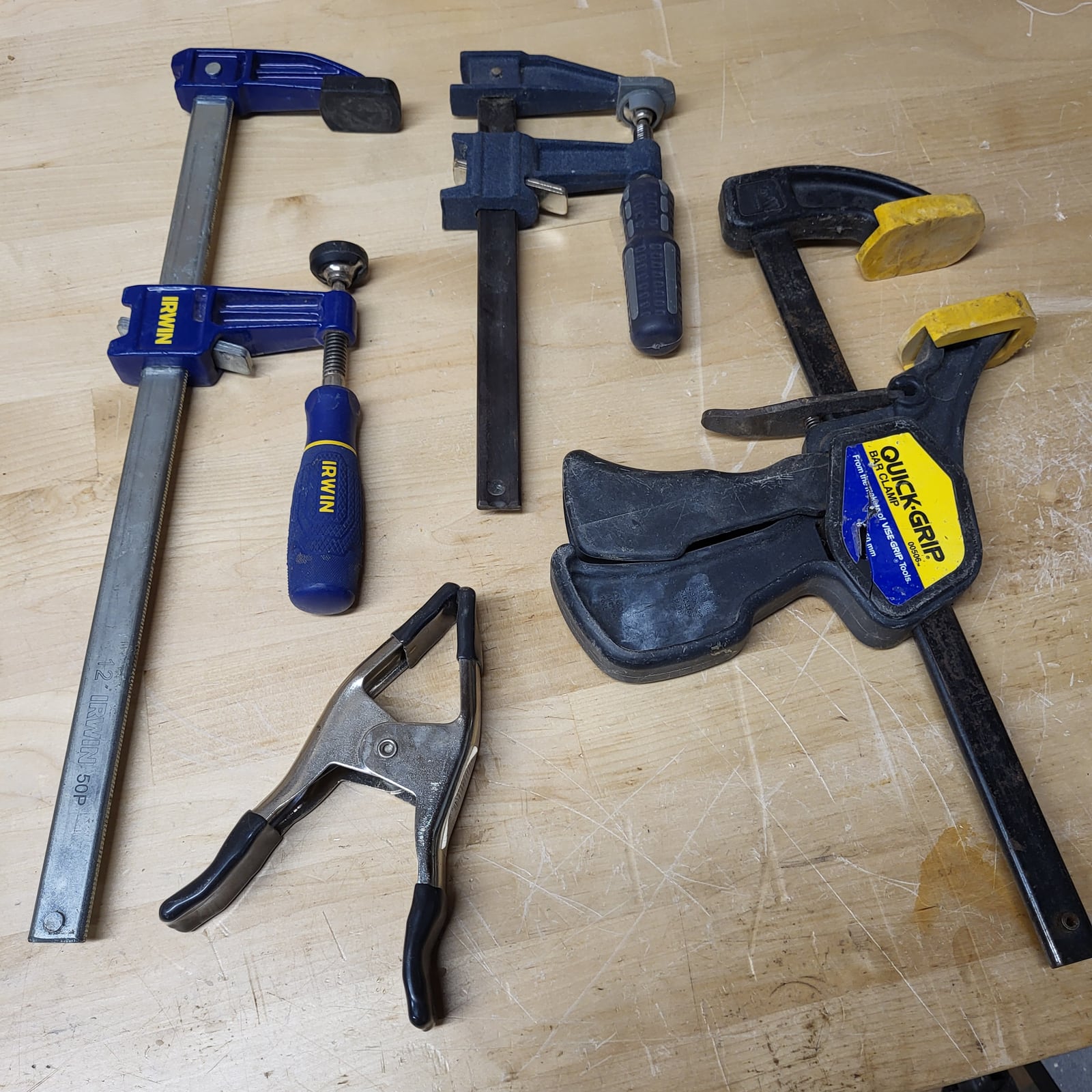
F-Clamps
The clamp most people actually picture when they hear the word -- a fixed foot at one end of a bar, a jaw that slides freely and locks near the work, tightened with a screw handle.
Forstner Bits
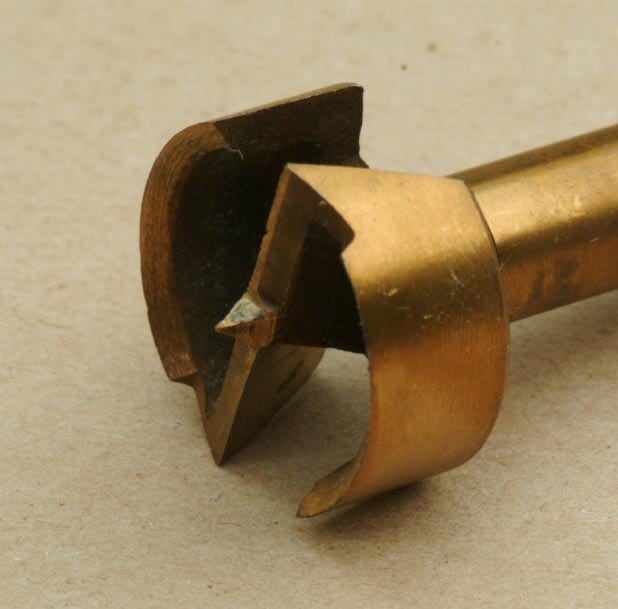
A drill bit that cuts a flat-bottomed hole and can cut right at the edge of a board or straddle an existing hole -- geometry a twist bit simply can't manage.
Glue Spreaders
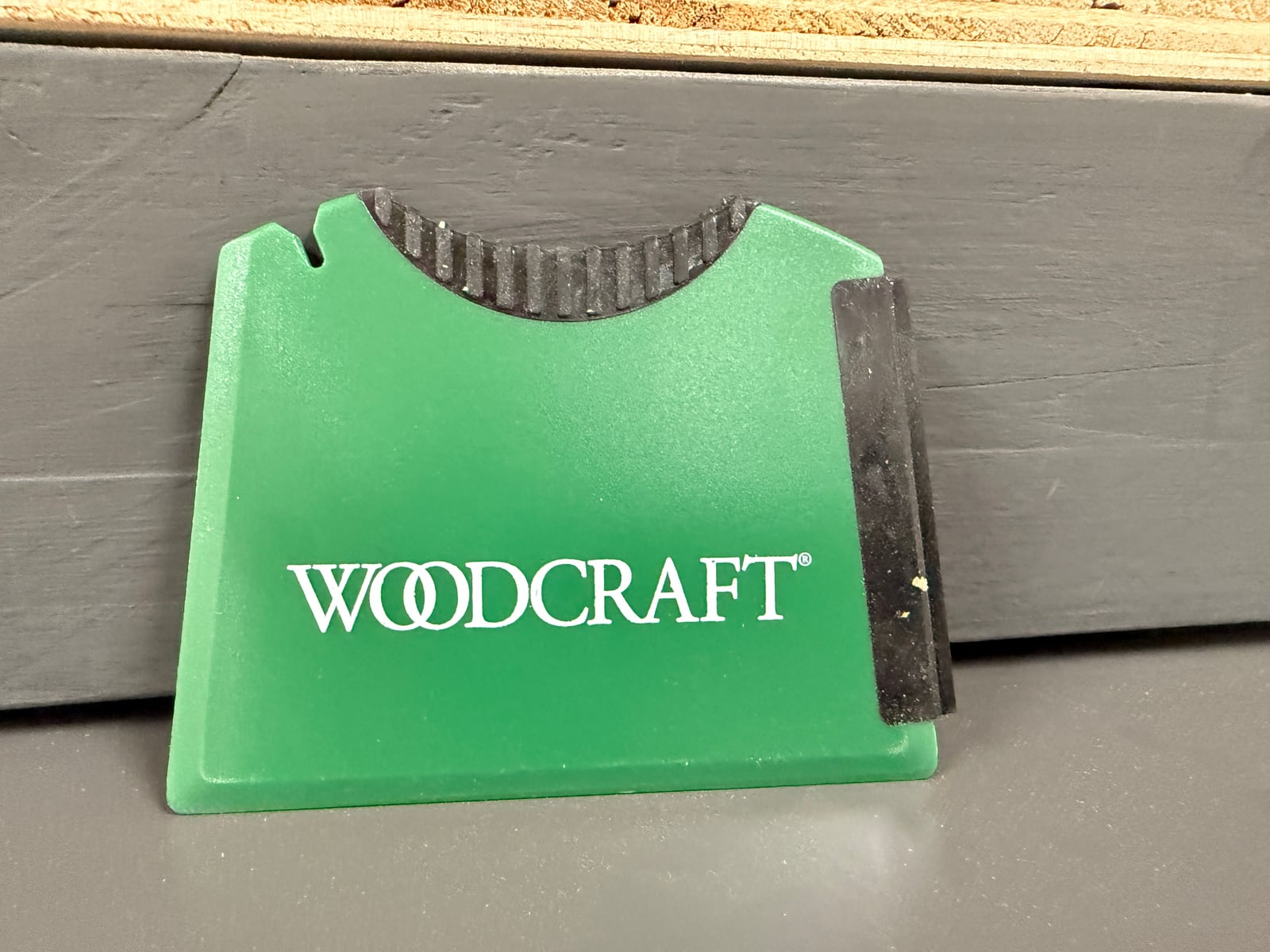
A silicone paddle for pushing PVA into an even film instead of a row of blobs. Cured glue peels straight off it, which is the entire reason it beats a brush.
Guide Rail Clamps
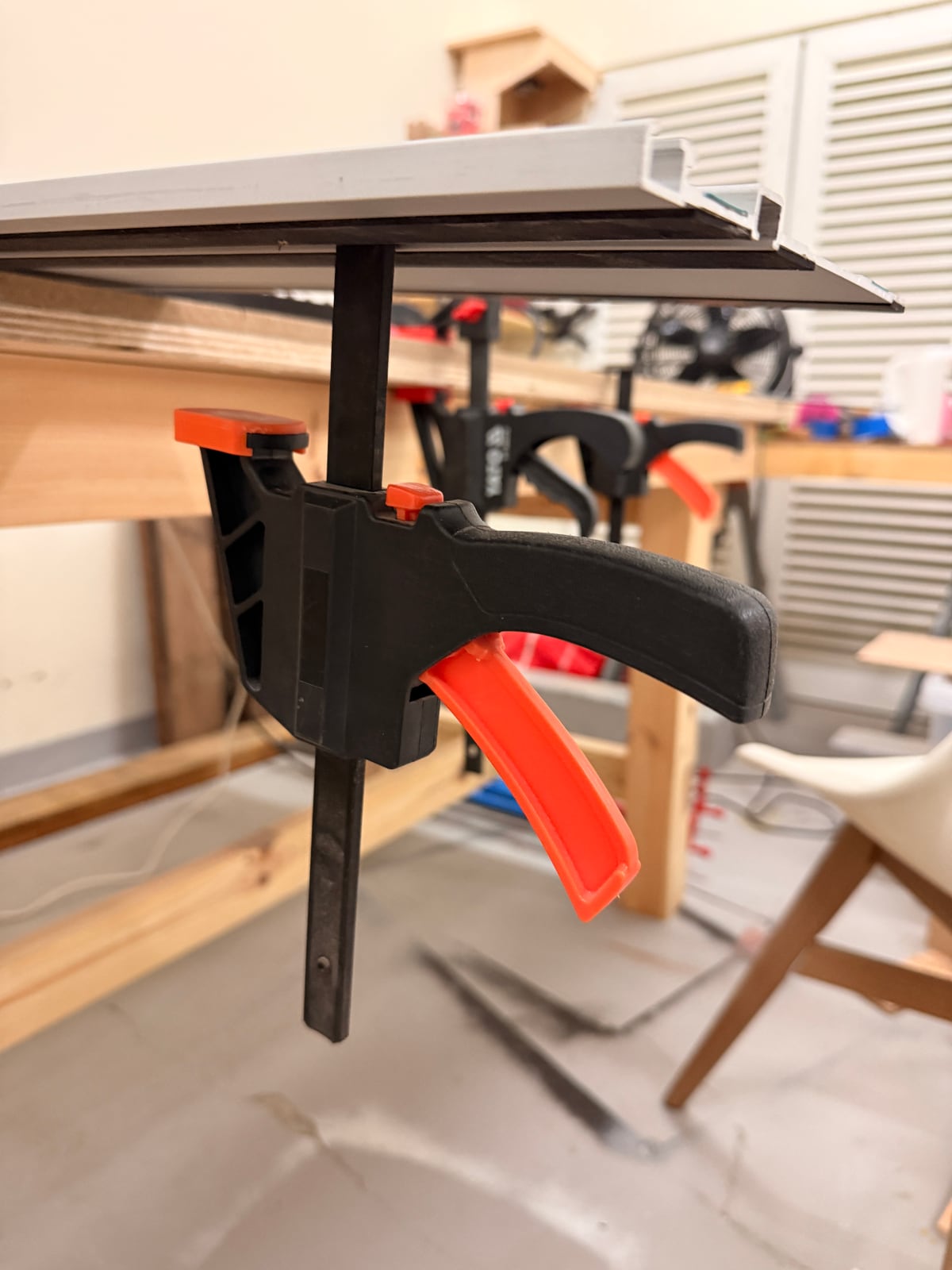
Clamps with a head shaped to slide into the T-slot under a track saw rail, holding it down without anything standing proud in the saw's path.
Hand Screws
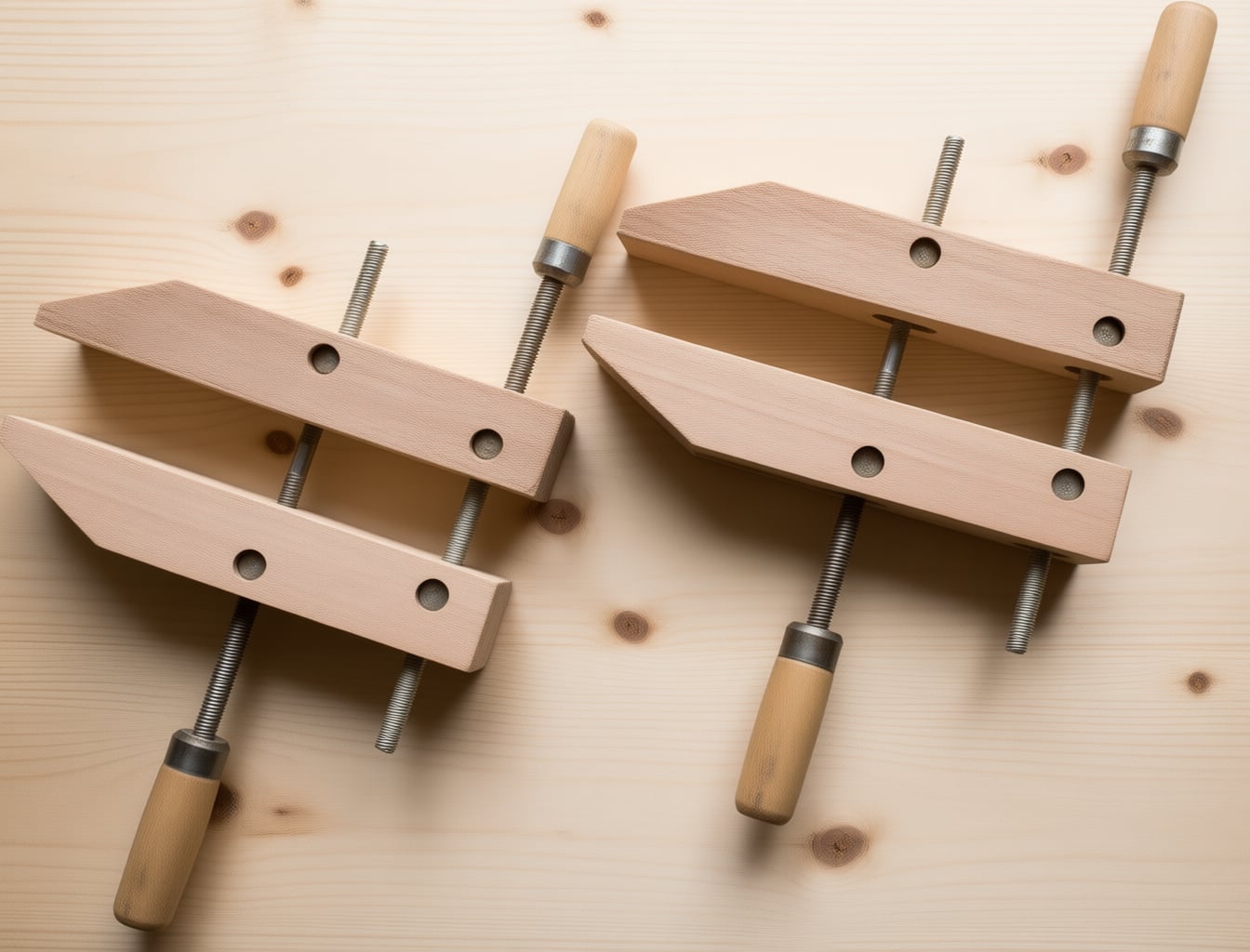
Wooden-jawed clamps with two independent screws, letting the jaws tilt to grip irregular or tapered shapes a flat-jawed clamp can't hold evenly.
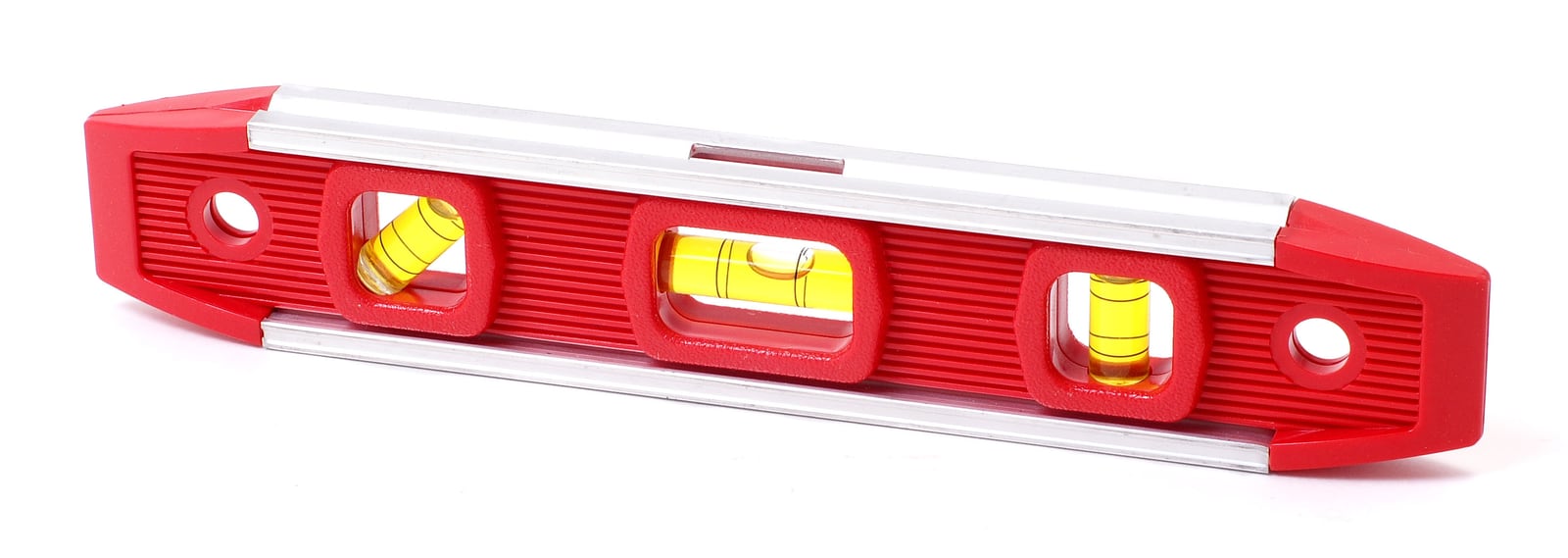
Level
A sealed vial of liquid and an air bubble, doing a job no amount of eyeballing will do reliably -- confirming something is actually horizontal or vertical, not just close.
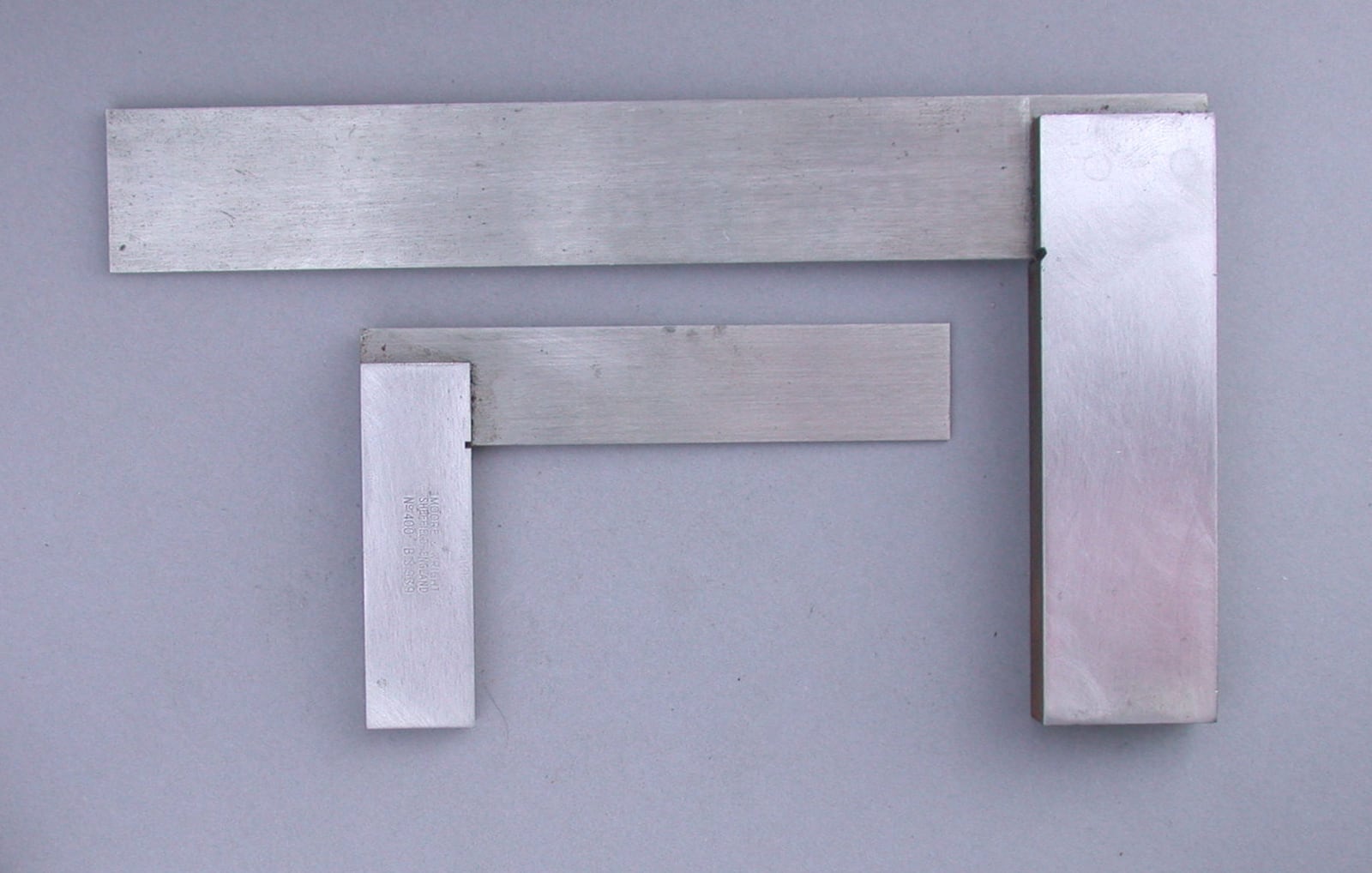
Machinist Squares
A small, precision-ground square built to a tolerance a carpenter's square was never designed for -- the reference standard you check your other squares against.
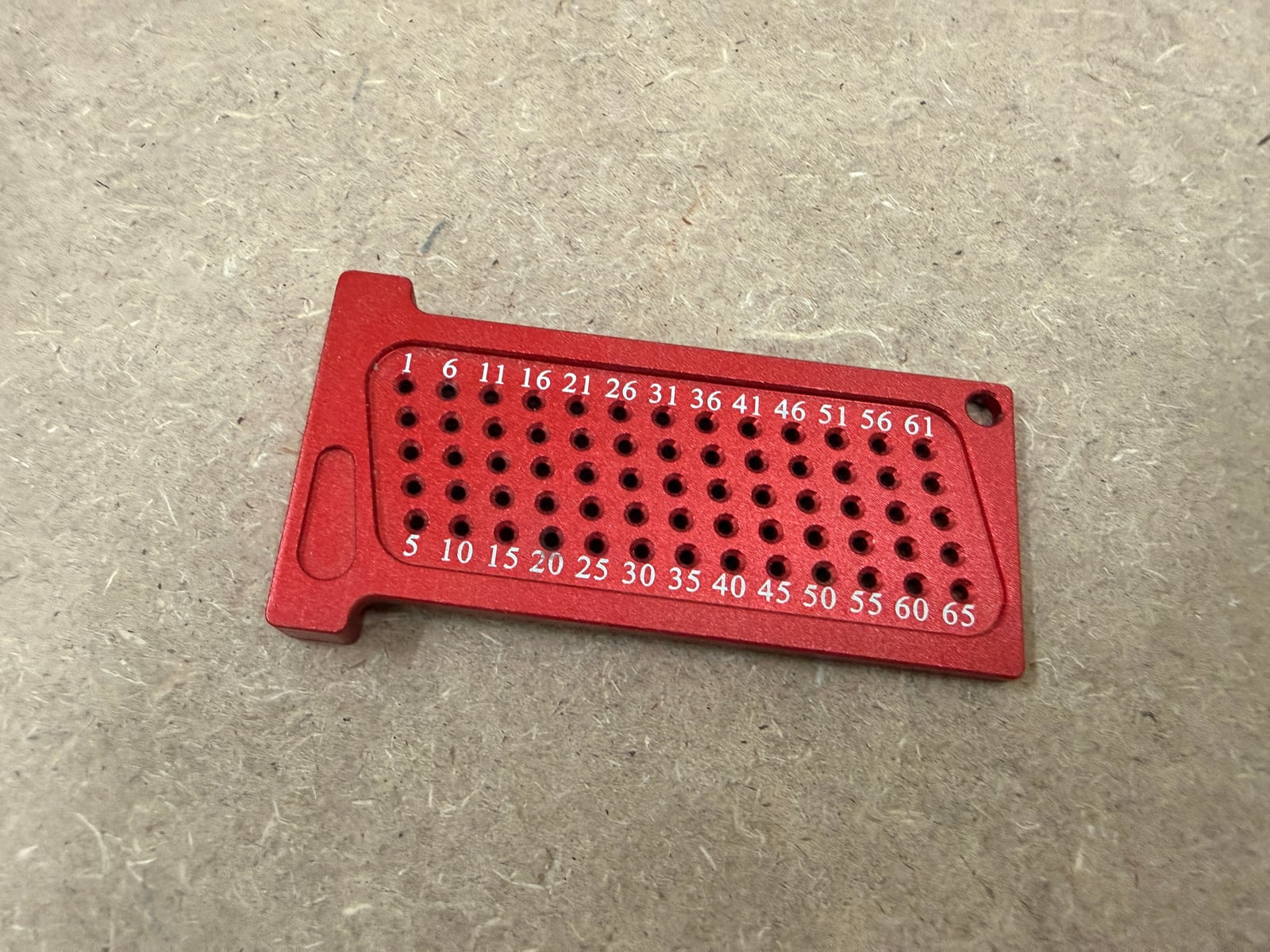
Marking Rulers
A fence on one end and a grid of pencil holes along the body -- hook it on an edge, drop a pencil in the numbered hole, and slide to draw a line exactly that far from the edge.
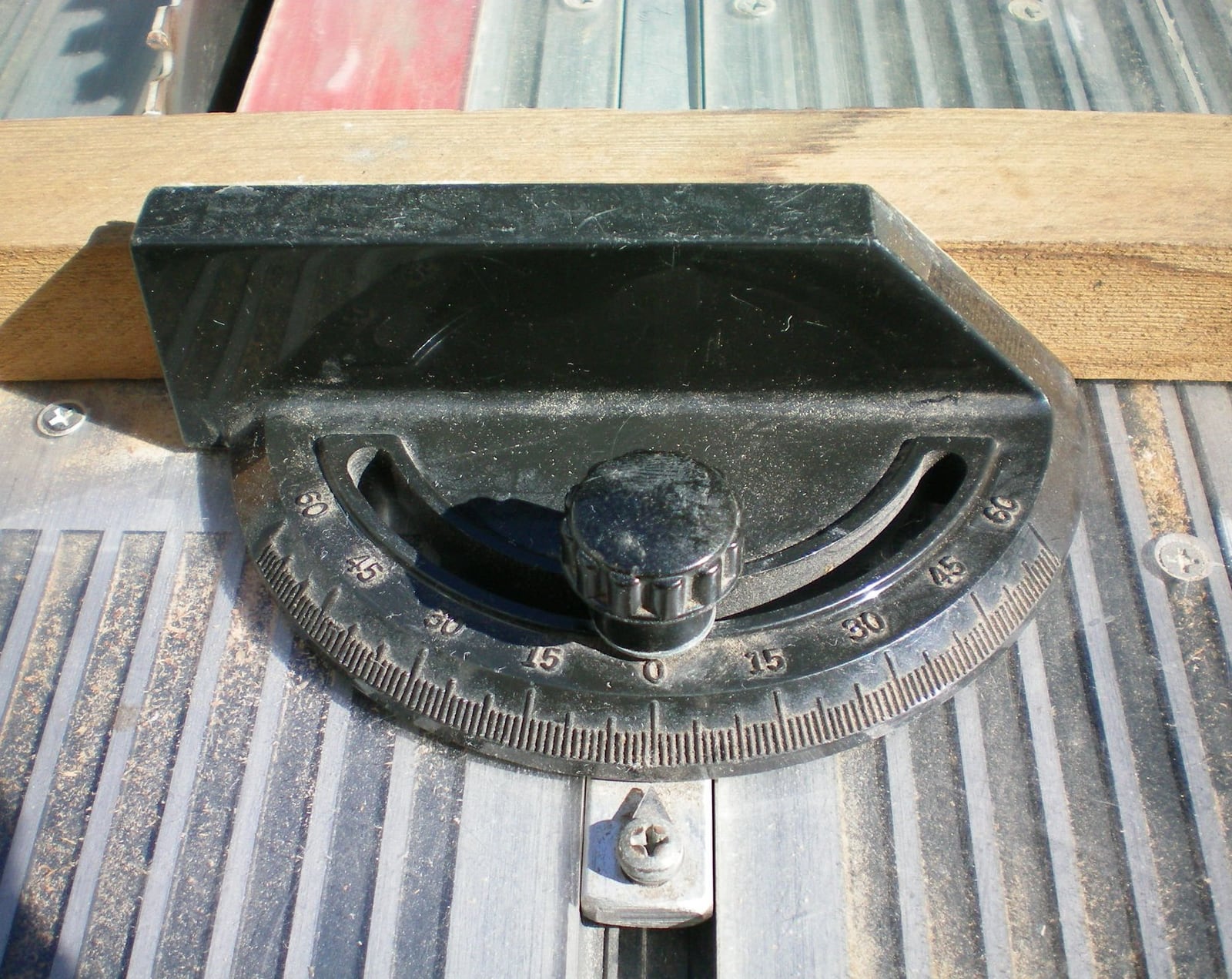
Miter Gauge
The sliding guide that rides a table saw's miter slot -- for crosscuts and angled cuts across a board, doing the job a rip fence can't safely do.
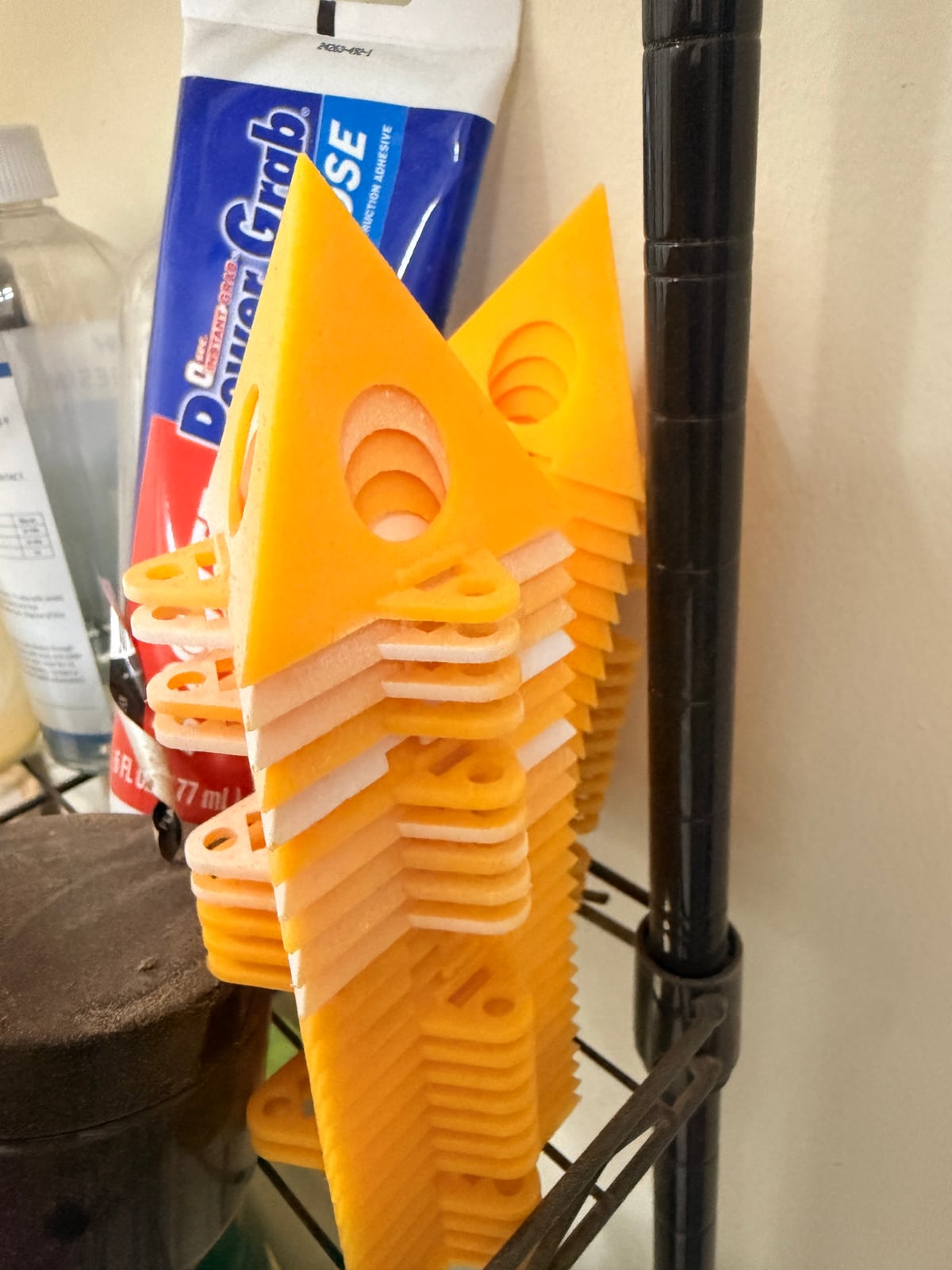
Painter's Pyramids
Little plastic cones that hold a workpiece on a single point, so a wet finish can go right over the edge without the piece gluing itself to the bench.
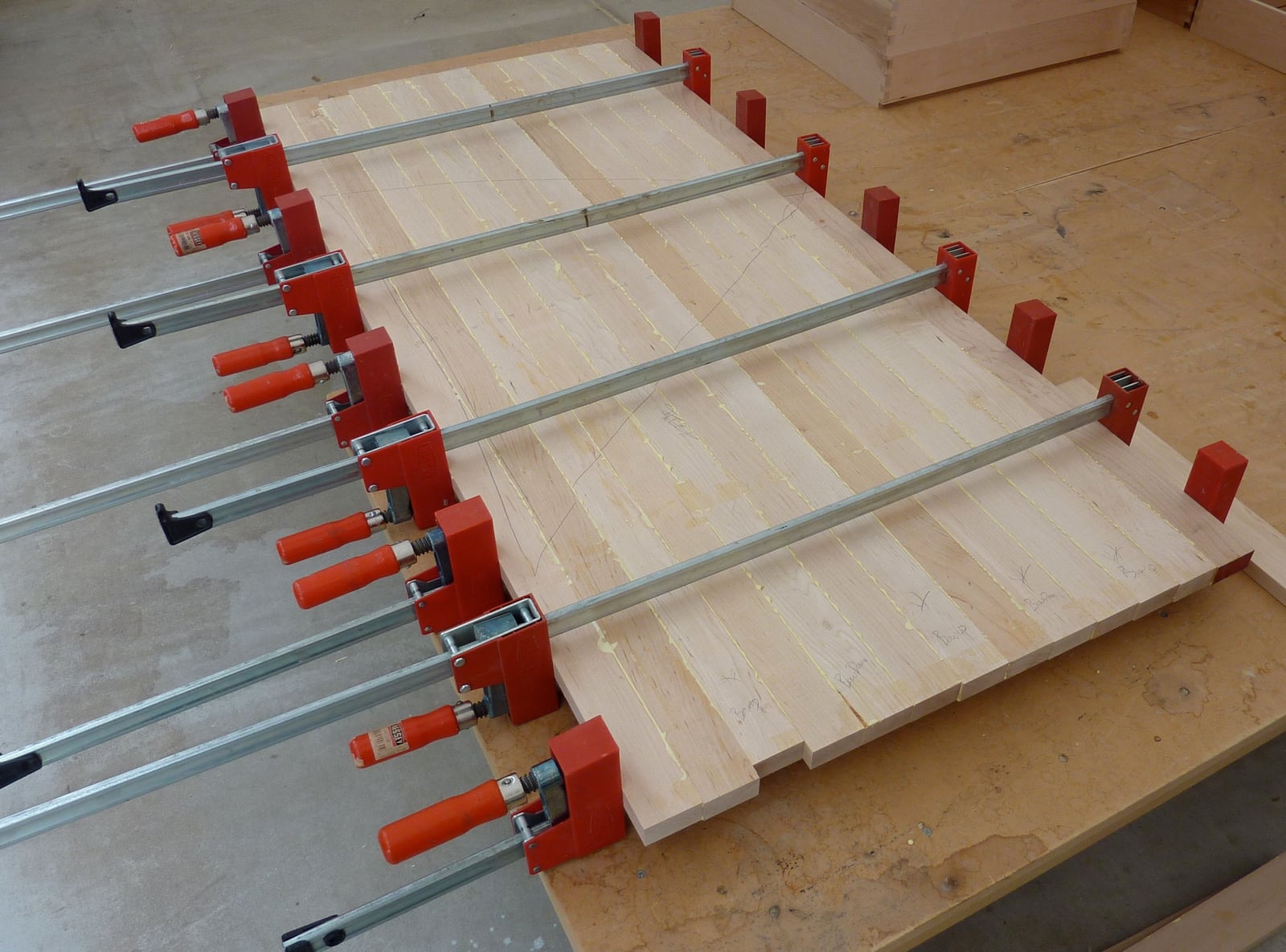
Parallel Clamps
Premium bar clamps with a rectangular beam and self-squaring jaws that stay parallel to the work instead of tipping and digging in -- genuinely nicer for panel glue-ups, at a real price.
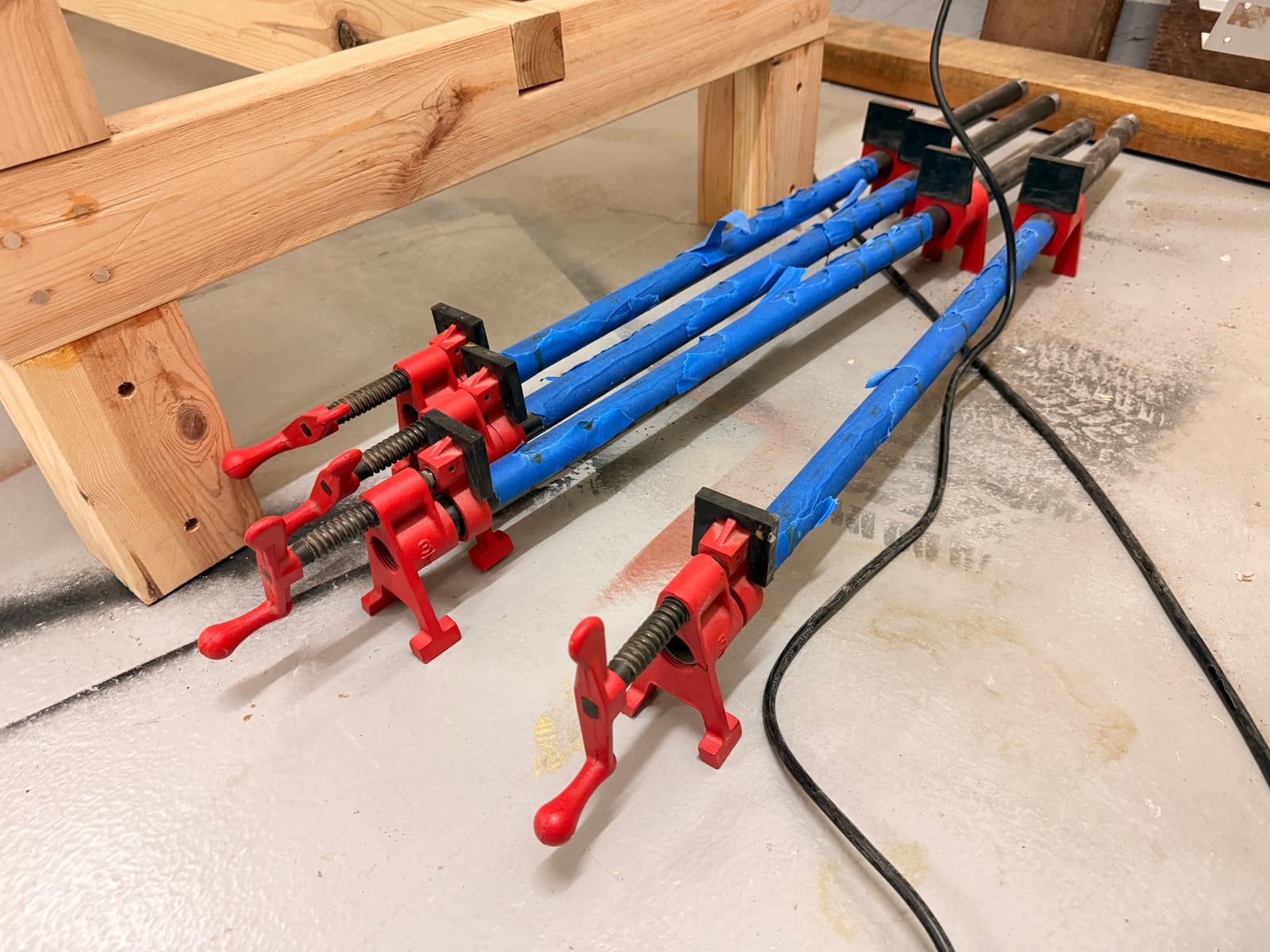
Pipe Clamps
The same sliding-jaw clamp mechanism as an F-clamp, mounted on ordinary plumbing pipe instead of a proprietary bar -- cheap length, in whatever size the glue-up actually needs.
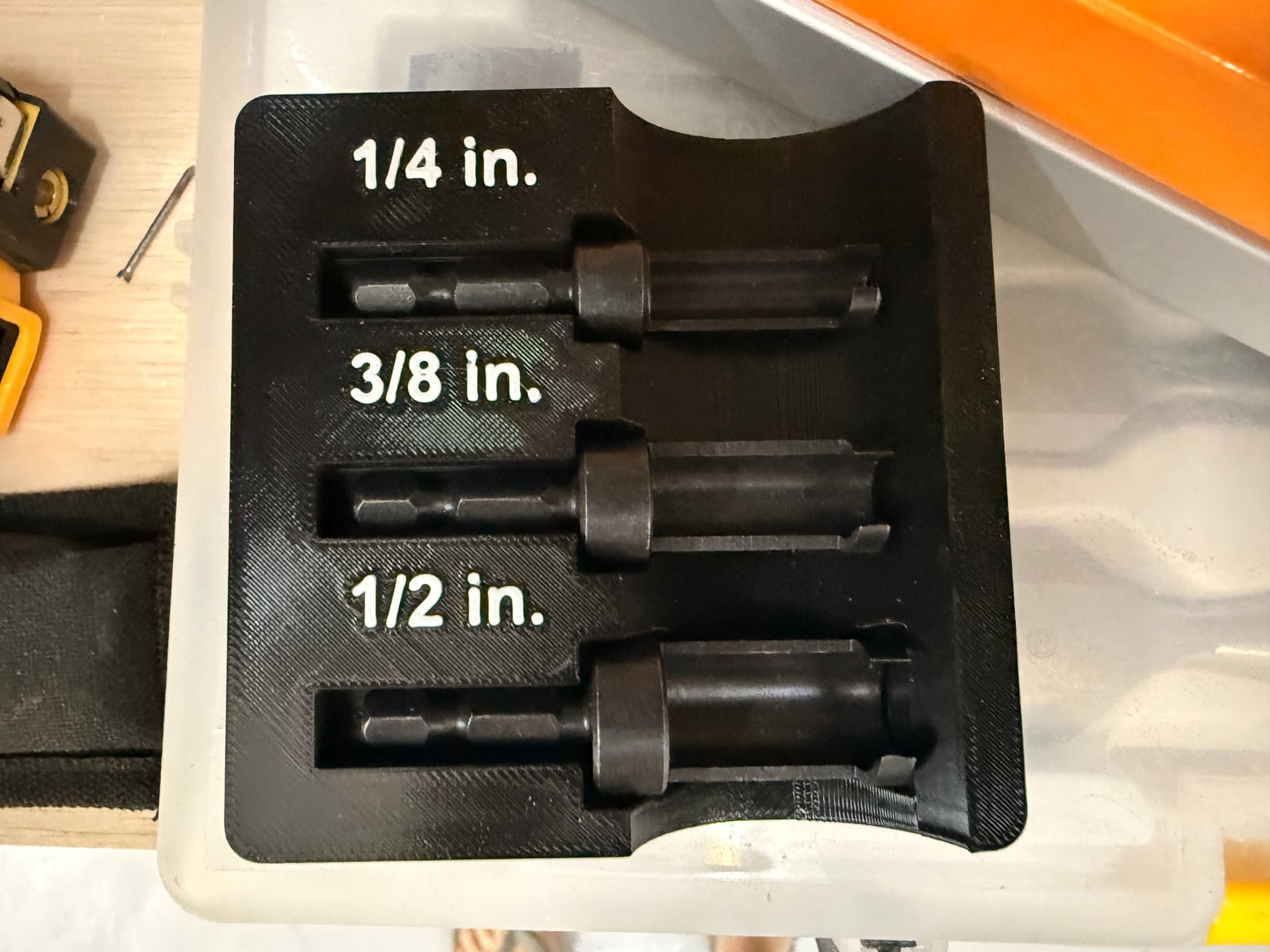
Plug Cutters
Cuts a short cylinder of your own stock to cap a counterbored screw hole -- so the patch is the same wood, the same grain and the same colour as everything around it.
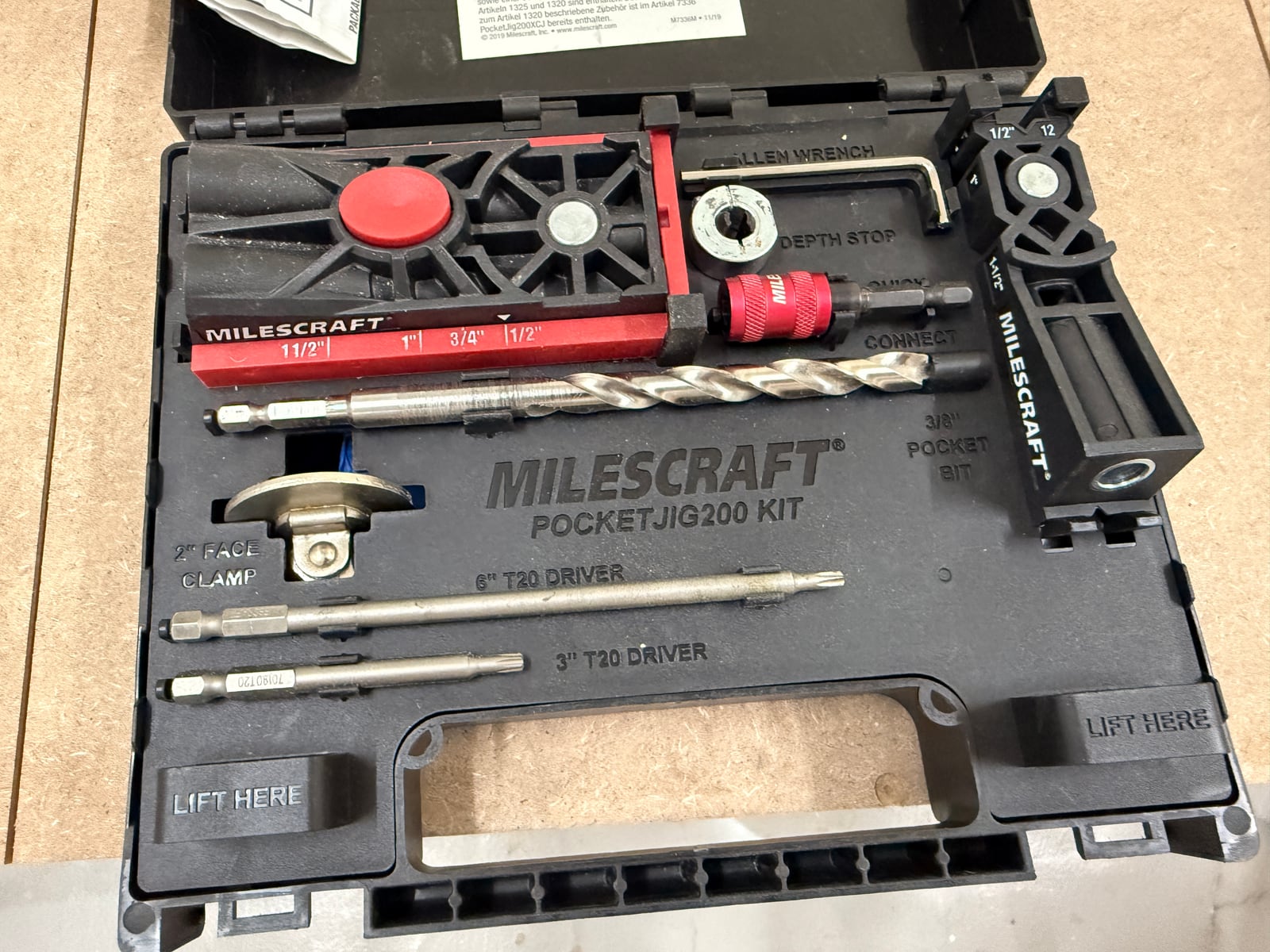
Pocket Hole Jigs
An angled guide that drills a hidden, self-tapping screw joint in seconds -- not the joinery a purist reaches for, but genuinely useful when speed and simplicity are the actual priority.
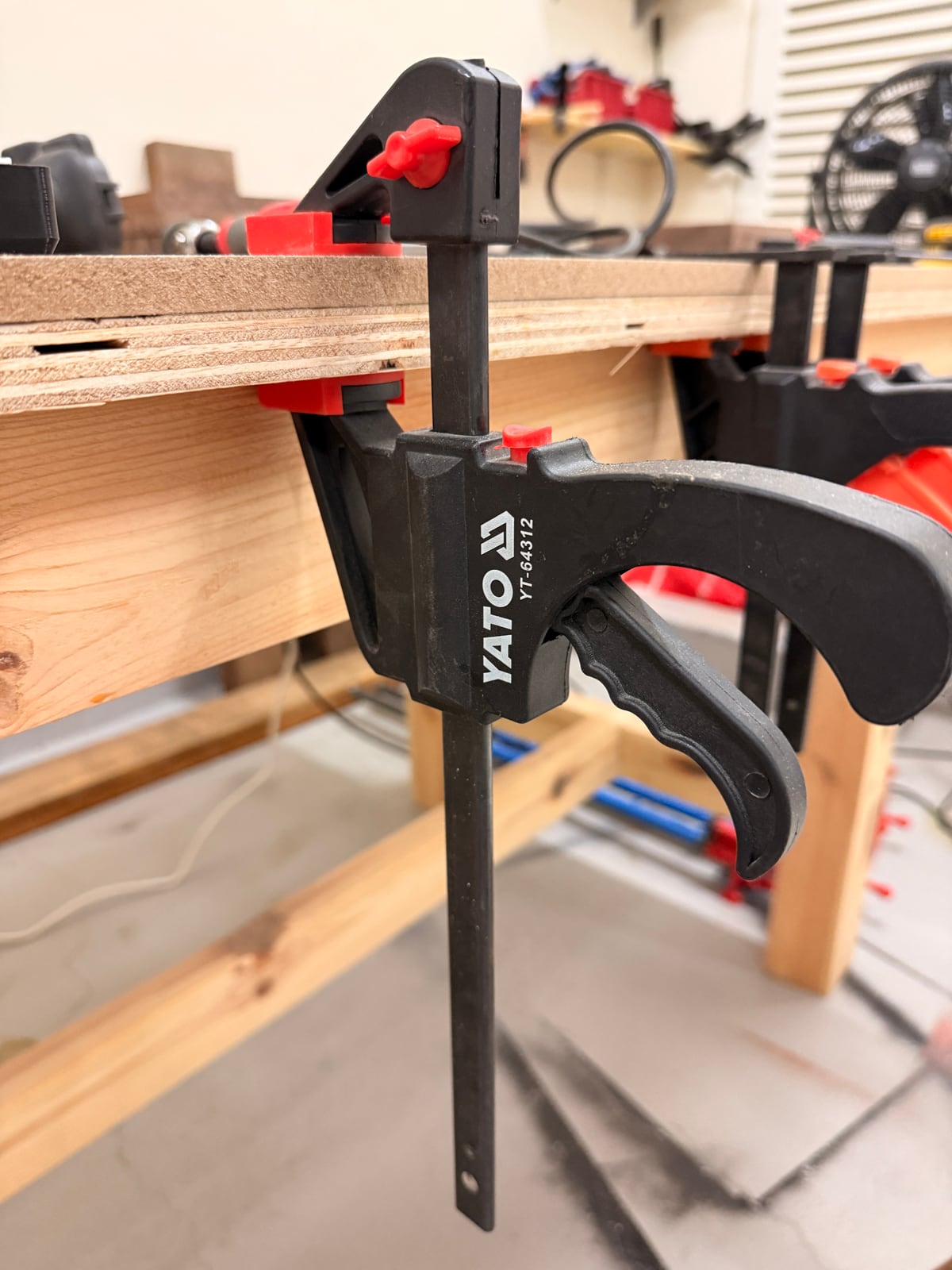
Quick Clamps (Trigger Clamps)
One-handed, spring-loaded clamps -- squeeze the trigger to ratchet the jaw down, squeeze the release lever to let go instantly. Fast, not the strongest thing in the shop.
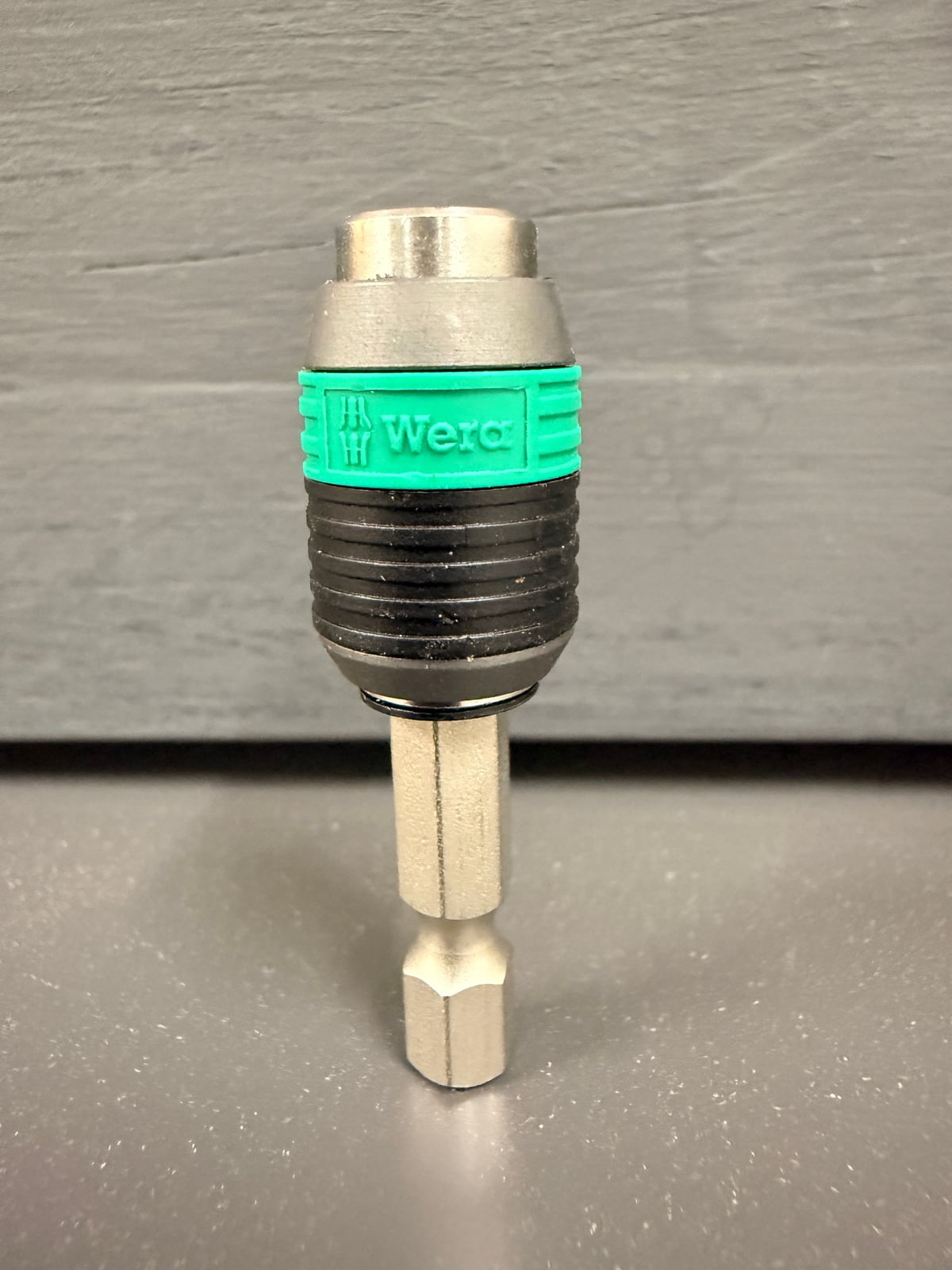
Quick-Release Bit Holders
A magnetic sleeve that swaps 1/4in hex bits with a collar pull instead of a chuck key. Driver bits and hex-shank drills only -- an ordinary round-shank twist bit will not fit.
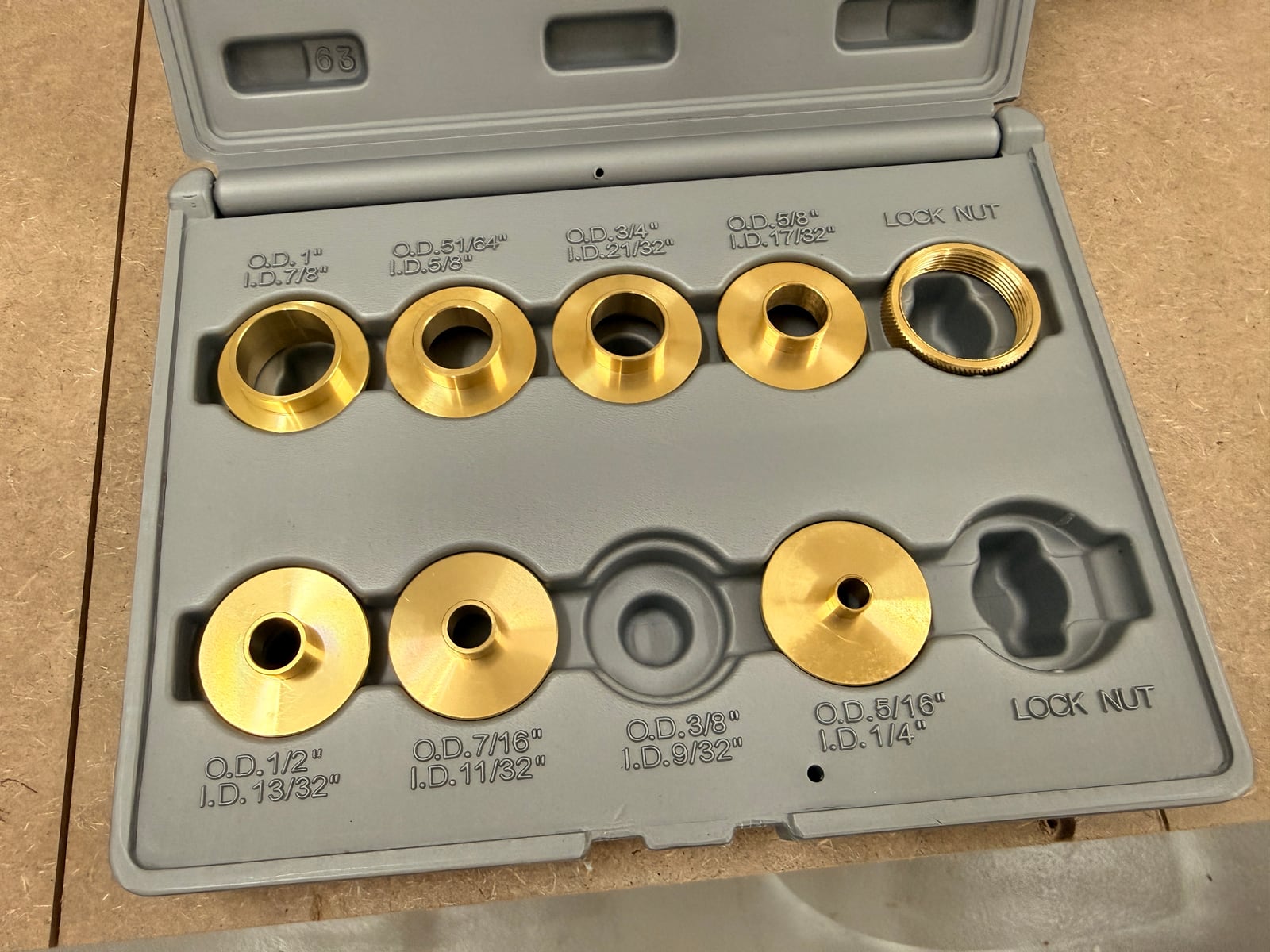
Router Template Guide Bushings
A collar that screws into the router base so the bit can follow a template without touching it. The basis of nearly all template routing that isn't done with a bearing bit.
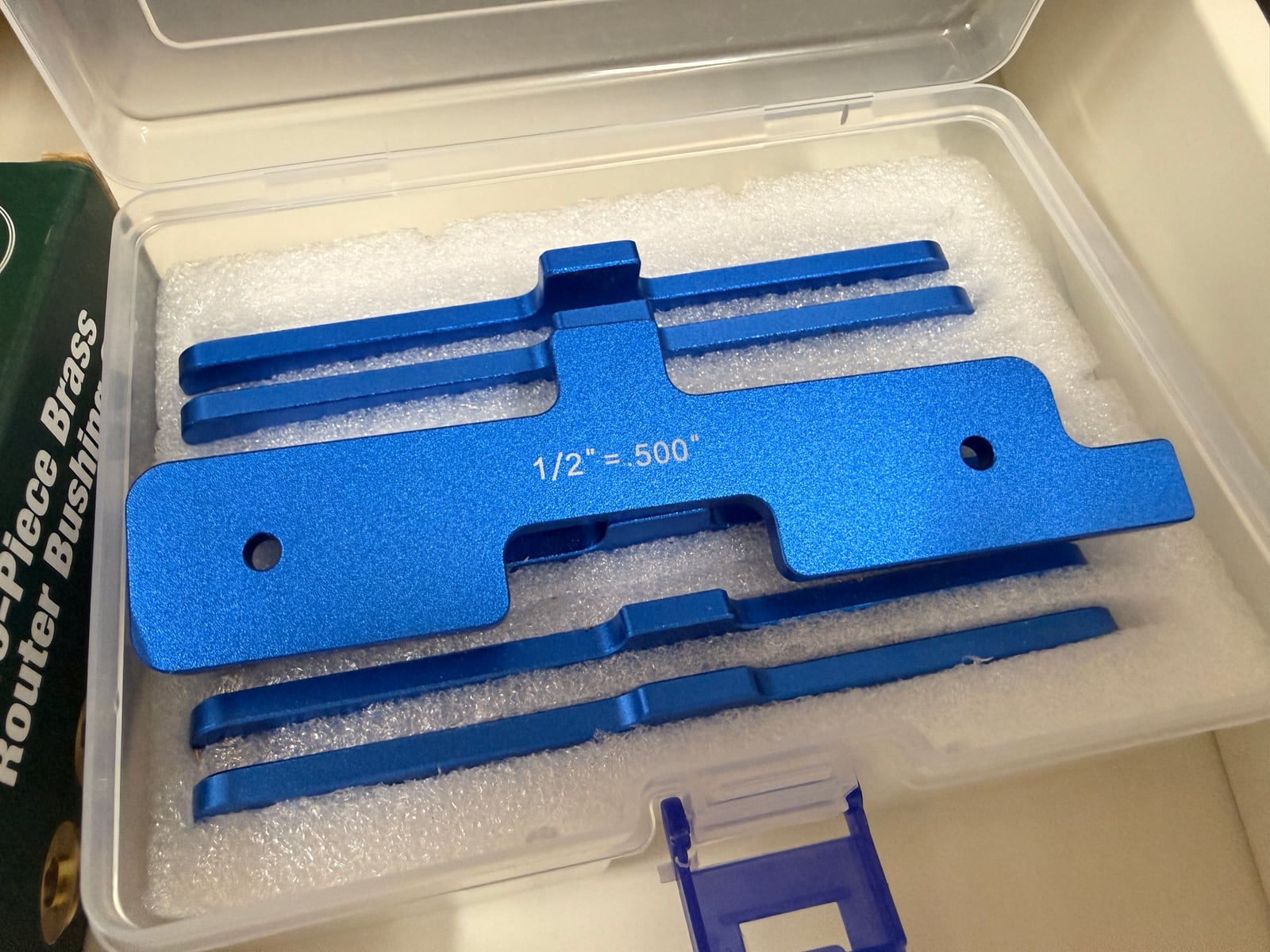
Setup Blocks
Precision-ground blocks in known thicknesses, used to set a blade or bit height by touch instead of by squinting at a ruler.
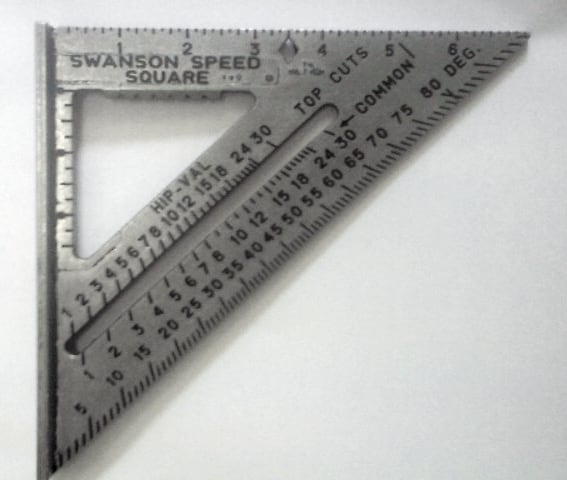
Speed Squares
A triangular square that marks 90 and 45 degree angles in one motion against a board's edge -- built for framing speed, and handy well beyond framing.
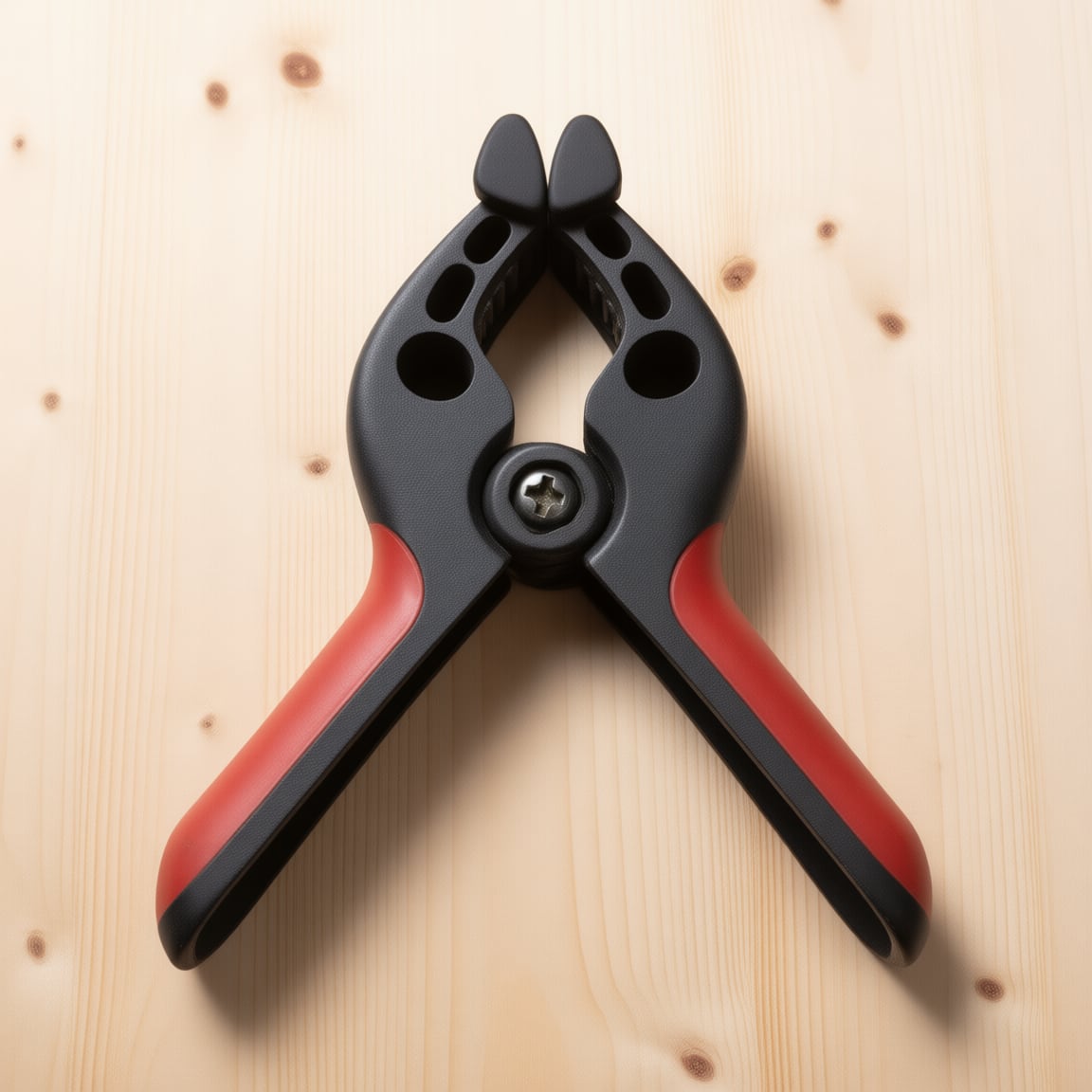
Spring Clamps
Spring-loaded clamps that squeeze shut like an oversized clothespin -- fast, one-handed, and genuinely low on clamping force.
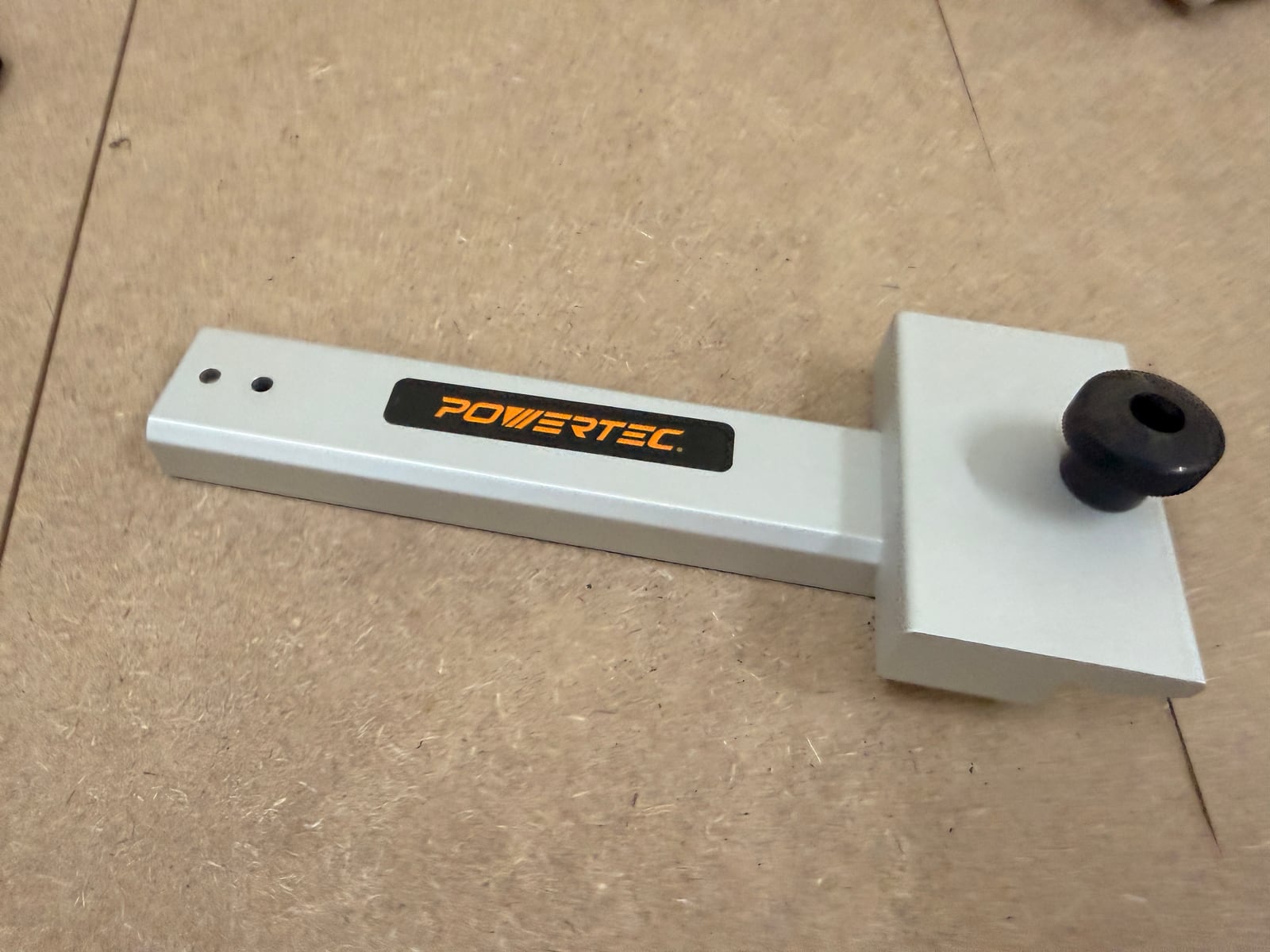
Track Saw Square
Registers a guide rail at a true 90 degrees to the edge of a sheet in one motion, so breaking down plywood stops involving a tape measure and hope.
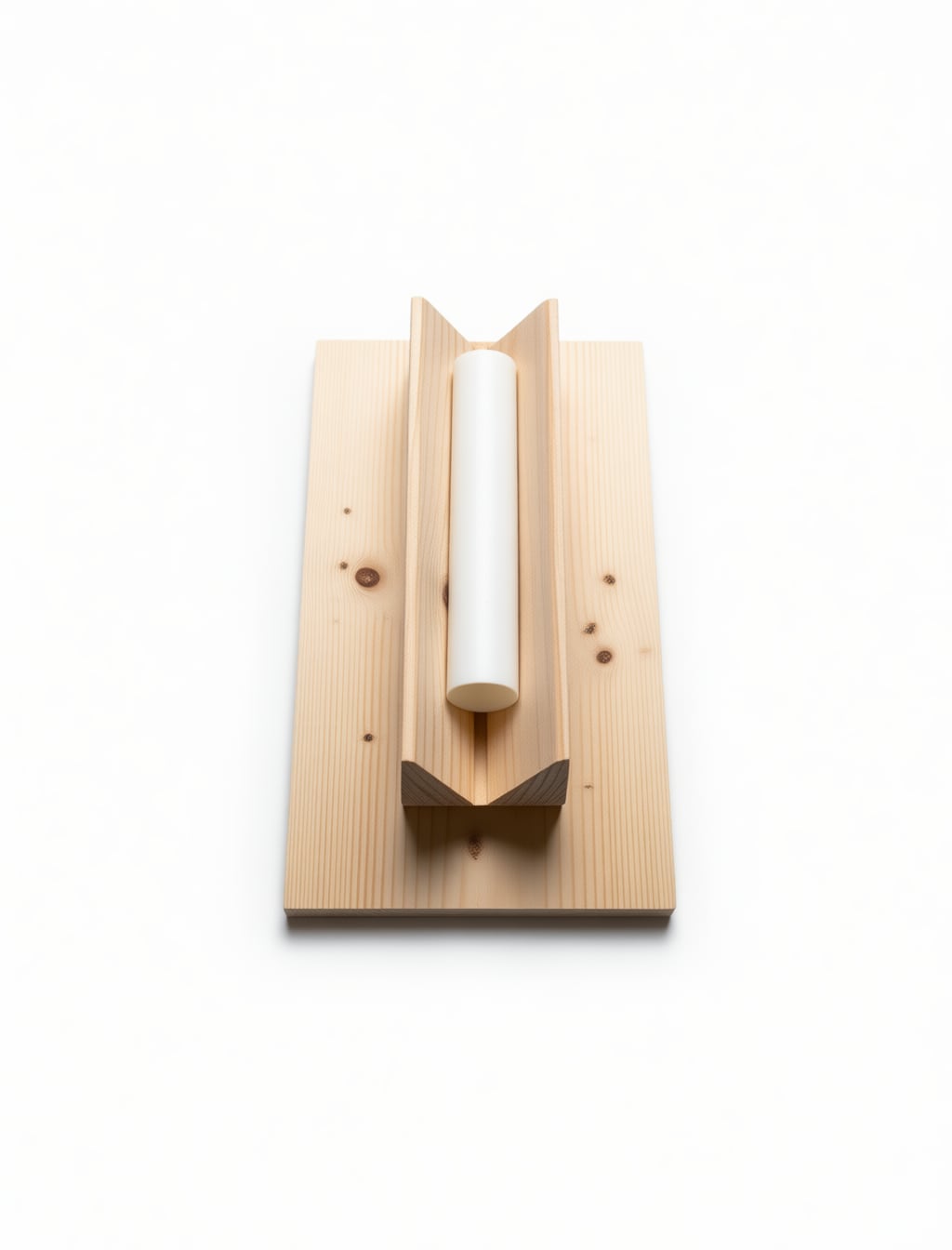
V-Block
A block with a V-shaped groove cut into it -- holds round stock steady for drilling or marking, something a flat surface alone can't do.
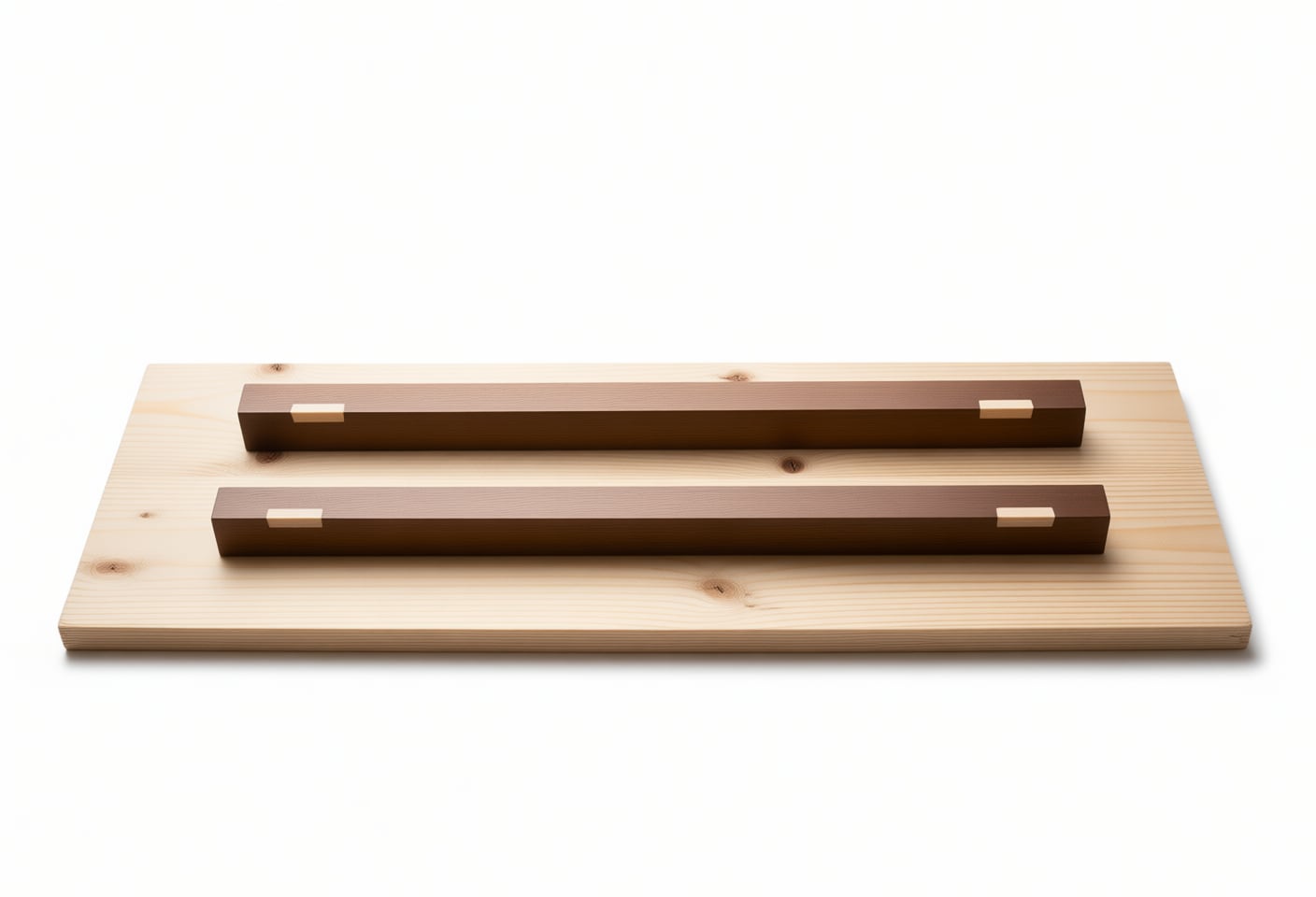
Winding Sticks
Two matched straight sticks laid across a board's ends and sighted down -- the low-tech way to actually see a twist a straightedge alone can't reveal.